

Why You’ll Love This Prime Rib Roast
Prime rib roast is a showstopper for any meal, offering rich flavors that make it easy to impress your guests with minimal effort. This recipe keeps things straightforward, ideal for home cooks who want juicy, tender results without overcomplicating the process. Whether you’re grilling experts or new to the kitchen, the bold taste and simple steps will quickly make this a go-to favorite.
One reason this prime rib roast recipe stands out is its ease of preparation. It’s simple to follow with minimal steps, making it accessible even for beginner cooks like busy parents or students. The cooking time is efficient, allowing you to enjoy a perfectly tender and juicy roast without spending hours in the kitchen, with preparation time around 10 minutes and total time roughly 1 hour and 55 minutes including rest.
Plus, prime rib roast brings health benefits to the table. It provides a rich source of protein and essential nutrients like iron and zinc, which support muscle function and overall health, especially for active folks like working professionals or diet-conscious individuals. Choosing lean cuts and controlled seasoning, as in this recipe with fresh herbs and olive oil, enhances wellness while keeping the flavor intact.
Don’t forget the versatility of this dish. It adapts well to various dietary needs, offering options for gluten-free, low-calorie, or modified versions to suit your preferences. For more beef-inspired ideas, you might check out our guide to perfect ribeye steaks for similar grilling techniques that pair well with sides. This recipe can be paired with a wide range of sides, catering to vegetarian and plant-based diets as well, making it a flexible choice for families or food enthusiasts.
Lastly, the distinctive flavor of prime rib roast sets it apart. Its robust, savory taste is enhanced by herbs like rosemary and thyme, and the marbling ensures a juicy texture that’s perfect for festive occasions. This makes it a hit with outdoor cooking enthusiasts and weekend grill masters who appreciate authentic, smoky flavors in their meals.
Jump To
- 1. Why You’ll Love This Prime Rib Roast
- 2. Essential Ingredients for Prime Rib Roast
- 3. How to Prepare the Perfect Prime Rib Roast: Step-by-Step Guide
- 4. Dietary Substitutions to Customize Your Prime Rib Roast
- 5. Mastering Prime Rib Roast: Advanced Tips and Variations
- 6. How to Store Prime Rib Roast: Best Practices
- 7. FAQs: Frequently Asked Questions About Prime Rib Roast
- 8. Prime Rib Roast
Essential Ingredients for Prime Rib Roast
Gathering the right ingredients is key to achieving a juicy and tender prime rib roast. This section lists everything you need in a clear format, ensuring you have the exact quantities for success. With these items, you’ll create a flavorful dish that’s both simple and satisfying.
- 5 pounds beef prime rib (bone-in or boneless) – The star of the show, providing rich beef flavor and tender texture.
- 1 ½ teaspoons salt – Essential for seasoning and enhancing the natural beef flavor.
- 2 teaspoons pepper – Adds a subtle heat that complements the meat perfectly.
- 2 teaspoons fresh rosemary – Introduces a fragrant, herbaceous element to the rub.
- 1 teaspoon fresh thyme – Brings complexity and freshness to the overall taste.
- 8 cloves minced garlic – Provides aromatic depth and savory notes.
- ¼ cup olive oil – Helps lock in moisture and creates a flavorful crust.
- Horseradish (served on the side if desired) – A optional condiment to add a zesty kick.
This list covers all the essentials mentioned in the recipe, making it easy to shop and prepare. Choosing bone-in prime rib enhances flavor, as it helps the meat cook more evenly. For dietary options, consider these swaps: use a plant-based rib substitute like seitan for vegan versions, ensure seasonings are gluten-free, or opt for leaner cuts to keep it low-calorie.
How to Prepare the Perfect Prime Rib Roast: Step-by-Step Guide
Creating a perfectly roasted prime rib roast is all about following simple, precise steps for juicy results. Start by gathering your ingredients and tools, like a meat thermometer, to ensure everything goes smoothly. This method combines ease with expert tips for home cooks of any level.
Key Preparation Tips
Before you begin, remove the prime rib from the refrigerator about one hour before cooking to bring it to room temperature, then season it with salt for even cooking. Preheat your oven to 500°F and adjust the rack to the center to set up the perfect roasting environment.
- First, mix the salt, pepper, rosemary, thyme, garlic, and olive oil to create a seasoning rub that adds depth to the meat.
- Pat the roast dry and apply the rub evenly on all sides for a flavorful crust that seals in juices.
- Place the bone-in roast bone-side down in a roasting pan, or use a rack for boneless roasts to promote air circulation.
- Roast at 500°F for 15 minutes to sear the exterior, then reduce the oven temperature to 325°F and continue roasting.
- Monitor with a meat thermometer: aim for 115-120°F for rare, 125-130°F for medium rare, 135-140°F for medium, or 145-150°F for medium well, keeping it 5-10 degrees below desired doneness for carryover cooking.
- Once done, remove the roast from the oven, tent it loosely with foil, and let it rest for 30 minutes to redistribute juices and maintain juiciness.
- Finally, carve the meat against the grain into half-inch slices and serve with horseradish if desired for a finishing touch.
This process takes about 10 minutes to prepare, with cooking time around 1 hour and 45 minutes depending on weight and doneness, plus the 30-minute rest. Using tools like wire racks or cast iron pans works well for boneless prime rib, and adjusting times based on your oven ensures the best results. For more meat preparation ideas, explore our grilled chicken thighs recipe for additional grilling techniques that complement this roast.

Dietary Substitutions to Customize Your Prime Rib Roast
Making adjustments for different needs can make prime rib roast accessible to everyone. Whether you’re dealing with allergies or preferences, small changes keep the dish delicious and inclusive. This section explores options that maintain the recipe’s juicy, tender essence.
For protein and main component alternatives, substitute beef with plant-based options like seitan or jackfruit for a vegan version that still satisfies. Use lean cuts of venison or bison as lower-fat choices, or select certified meats for kosher and halal diets. These swaps help outdoor cooking enthusiasts adapt the recipe without losing flavor.
When it comes to vegetable, sauce, and seasoning modifications, swap traditional sides like mashed potatoes with roasted vegetables for low-carb preferences. Opt for gluten-free gravy made with cornstarch, and adjust herbs by substituting thyme with oregano if needed. For those with lactose intolerance, incorporate dairy-free oils to keep things smooth. These tweaks allow busy parents or food enthusiasts to personalize the meal while keeping it practical and tasty.
Mastering Prime Rib Roast: Advanced Tips and Variations
Taking your prime rib roast to the next level involves some pro techniques and creative twists. Once you nail the basics, these tips help you experiment and impress. Focus on even cooking and bold flavors to elevate your grilling game.
Expert Techniques for Better Results
Try the reverse sear method by slow-roasting at a low temperature before a high-heat finish for even cooking and a great crust. Flavor variations include adding smoked paprika or a mustard rub for extra kick, building on the base of fresh herbs and garlic in this recipe. For presentation, garnish with fresh herbs and serve on a wooden board to make it visually appealing at your next gathering.
Make-ahead options like seasoning the roast the night before can improve crust and flavor. To learn more about related recipes, check out For more grilling inspiration, visit our guide to perfect ribeye steaks. These strategies let you adapt to your style, whether you’re a weekend grill master or baking enthusiast.
| Technique | Benefit |
|---|---|
| Reverse Sear | Ensures even doneness |
| Herb Blends | Adds unique flavors |
How to Store Prime Rib Roast: Best Practices
Proper storage keeps your prime rib roast fresh and tasty for later. Following these steps helps avoid waste and maintains quality. Think ahead for meal prep to enjoy leftovers without hassle.
- Refrigerate leftovers in an airtight container for up to 3-4 days.
- Freeze by wrapping tightly in foil and placing in a freezer bag for up to 3 months.
- Reheat gently in a low oven at 250°F covered with foil to keep it moist.
- Slice before storing for easy portioning during the week.
These tips ensure your roast stays safe and delicious. For more on beef nutrition, see this resource on beef benefits to balance your meals.
FAQs: Frequently Asked Questions About Prime Rib Roast
How much prime rib should I buy per person for a dinner?
A good guideline is to buy about one pound of prime rib per person. For bone-in prime rib, one rib typically serves two people. If you plan to serve plenty of side dishes, you can reduce the amount to about half to three-quarters of a pound per person to avoid excessive leftovers.
Should I cook prime rib with the bone in or boneless?
Bone-in prime rib is often preferred because the bone adds flavor and helps the meat cook more evenly. However, boneless prime rib can also work well and is easier to carve. Many butchers will tie the bone back onto a boneless roast to combine the benefits of both.
What cooking temperatures and times produce the perfect prime rib doneness?
Start roasting your prime rib at 500°F for 15 minutes to sear the outside, then lower the oven to 325°F for the remainder. Cook about 10-12 minutes per pound for rare, 13-14 minutes for medium rare, and 14-15 minutes for medium well. Use a meat thermometer to check doneness—115-120°F for rare and 125-130°F for medium rare.
Why is it important to rest prime rib after roasting, and how long should it rest?
Resting prime rib for 20–30 minutes tented loosely with foil allows the juices to redistribute throughout the meat, resulting in a juicier and more tender roast. Cutting into the meat too early can cause the juices to run out, making it dry.
How do I carve prime rib to get the most tender slices?
To carve prime rib, use a sharp knife and slice against the grain in cuts about half an inch thick. Cutting against the grain shortens the muscle fibers, which makes the meat easier to chew and more tender. Make sure to carve just before serving to maintain freshness.
Prime Rib Roast
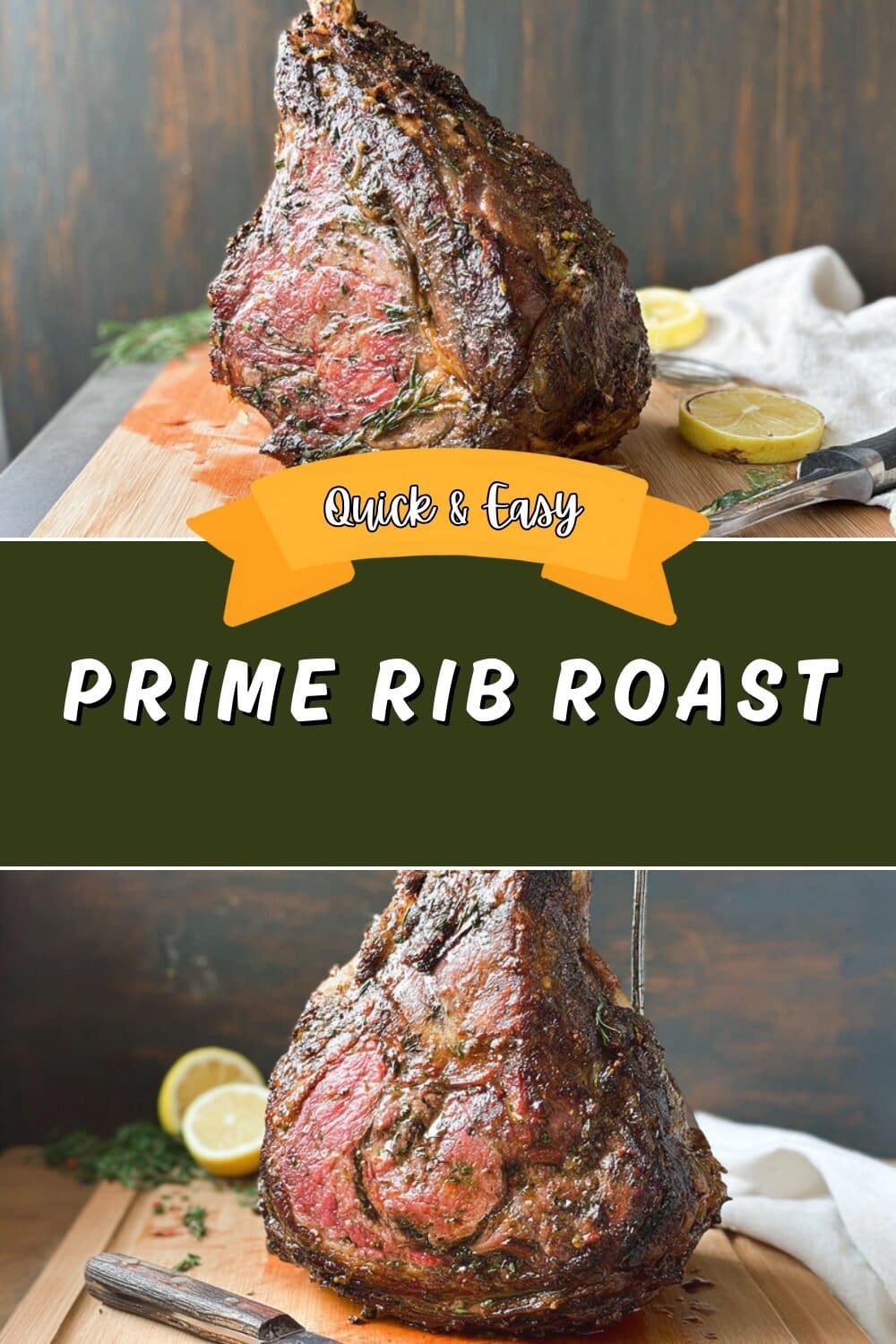
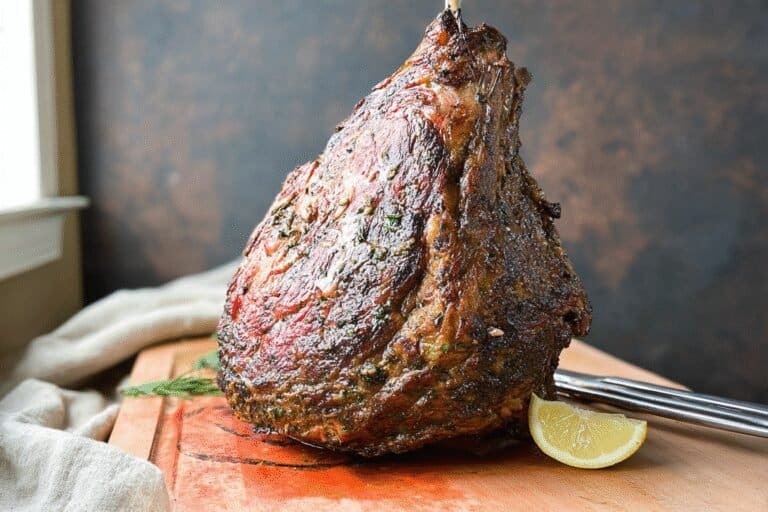
🥩 Experience the ultimate centerpiece for special occasions with this perfectly roasted prime rib that delivers juicy, tender meat with a beautifully seasoned crust
🍖 Master the art of restaurant-quality prime rib at home with this foolproof method that guarantees impressive results every time
- Total Time: 1 hour 55 minutes
- Yield: 8 servings 1x
Ingredients
5 pounds beef prime rib for rich beef flavor and tender texture
1 ½ teaspoons salt for seasoning and enhancing the natural beef flavor
2 teaspoons pepper for subtle heat that complements the meat
2 teaspoons fresh rosemary for fragrant, herbaceous element to the rub
1 teaspoon fresh thyme for complexity and freshness to the overall taste
8 cloves minced garlic for aromatic depth and savory notes
¼ cup olive oil for locking in moisture and creating a flavorful crust
Horseradish for zesty kick (optional condiment)
Instructions
1-First, mix the salt, pepper, rosemary, thyme, garlic, and olive oil to create a seasoning rub that adds depth to the meat.
2-Pat the roast dry and apply the rub evenly on all sides for a flavorful crust that seals in juices.
3-Place the bone-in roast bone-side down in a roasting pan, or use a rack for boneless roasts to promote air circulation.
4-Roast at 500°F for 15 minutes to sear the exterior, then reduce the oven temperature to 325°F and continue roasting.
5-Monitor with a meat thermometer: aim for 115-120°F for rare, 125-130°F for medium rare, 135-140°F for medium, or 145-150°F for medium well, keeping it 5-10 degrees below desired doneness for carryover cooking.
6-Once done, remove the roast from the oven, tent it loosely with foil, and let it rest for 30 minutes to redistribute juices and maintain juiciness.
7-Finally, carve the meat against the grain into half-inch slices and serve with horseradish if desired for a finishing touch.
Last Step:
Please leave a rating and comment letting us know how you liked this recipe! This helps our business to thrive and continue providing free, high-quality recipes for you.Notes
🌡️ Use a meat thermometer for perfect results – this is the most reliable way to avoid overcooking expensive prime rib
🦴 Choose bone-in prime rib for enhanced flavor and better heat retention, or have the butcher cut and tie the bone back for easier handling
⏰ Let the roast rest for the full 30 minutes – this step is crucial for juicy, tender meat as it allows the juices to redistribute throughout the roast
- Prep Time: 10 minutes
- Cook Time: 1 hour 45 minutes
- Category: Main Dish
- Method: Roasting
- Cuisine: American
- Diet: Non-Vegetarian
Nutrition
- Serving Size: 1 serving
- Calories: 480
- Sugar: 0
- Sodium: 320
- Fat: 38
- Saturated Fat: 15
- Unsaturated Fat: 23
- Trans Fat: 0
- Carbohydrates: 1
- Fiber: 0
- Protein: 32
- Cholesterol: 120


Your prime rib roast recipe looks absolutely perfect! I’ve been making prime rib for years and the secret I learned from my grandfather is to let it rest for at least 20 minutes before carving.
This keeps all those delicious juices locked in.
Can’t wait to try your seasoning blend next Christmas!