

Benefits and Advantages of Perfect Ribeye Steaks
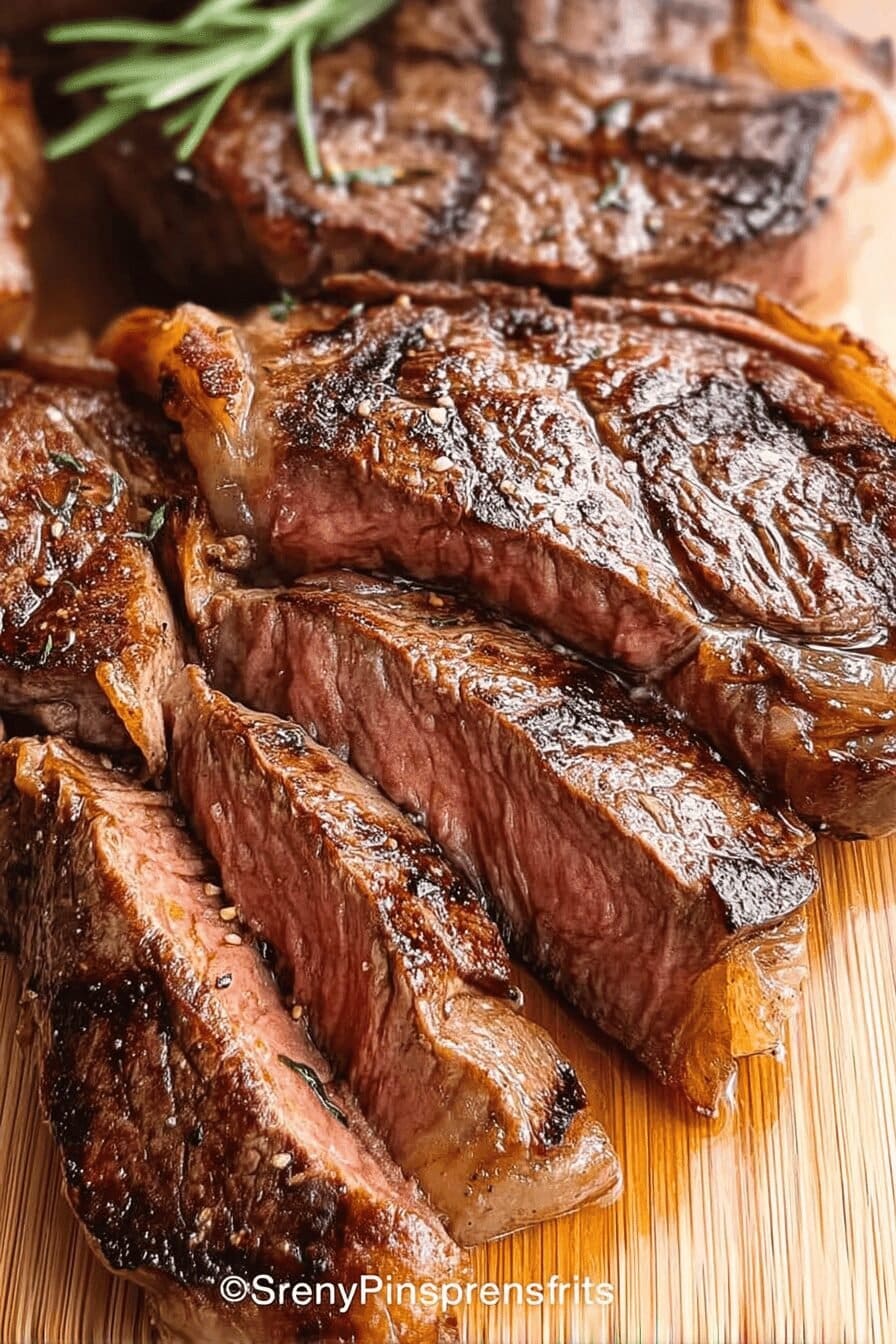
This recipe for perfect ribeye steaks is highly effective due to its ease of preparation, making it ideal for both beginners and experienced cooks. The method ensures a flavorful, juicy steak that stands out with its rich marbling and tenderness. Health benefits include providing a good source of high-quality protein, essential vitamins, and minerals. It promotes balanced nutrition while allowing room for customization to dietary preferences. The technique highlights the steak’s natural flavors without overwhelming it, making it a top choice for steak lovers seeking both quality and simplicity in cooking.
Jump To
- 1. Benefits and Advantages of Perfect Ribeye Steaks
- 2. Essential Ingredients for Perfect Ribeye Steaks
- 3. Dietary Substitutions to Customize Your Perfect Ribeye Steaks
- 4. How to Prepare the Perfect Perfect Ribeye Steaks: Step-by-Step Guide
- 5. Mastering Perfect Ribeye Steaks: Advanced Tips and Variations
- 6. How to Store Perfect Ribeye Steaks: Best Practices
- 7. Nutritional Value of Perfect Ribeye Steaks
- 8. FAQs: Frequently Asked Questions About Perfect Ribeye Steaks
- 9. How to Cook the Ideal Ribeye Steak: Grilled or Pan-Seared Methods
Essential Ingredients for Perfect Ribeye Steaks
Key ingredients include ribeye steaks of high quality, sea salt for seasoning, fresh ground black pepper, garlic powder, and olive oil for a healthy fat source. For gluten-free and low-calorie options, ingredients are chosen to avoid additives and excess calories. Vegan substitutes like mushrooms or plant-based steaks can be used to replicate the texture and taste. Each ingredient is selected to enhance the meat’s natural flavor while maintaining dietary accommodations, ensuring everyone can enjoy a delicious meal regardless of diet restrictions.
Dietary Substitutions to Customize Your Perfect Ribeye Steaks
To tailor the recipe to various dietary needs, several substitutions are suggested. For vegan diets, plant-based steak alternatives or grilled portobello mushrooms can replace ribeye, providing similar texture and umami flavor. Gluten-free diets benefit from carefully ensuring all seasonings and sauces are free from gluten-containing ingredients. Low-calorie versions might reduce or eliminate added oils and focus on seasoning to enhance taste without extra fat. These adaptations maintain the dish’s core appeal while allowing customization to meet health goals or ingredient availability.

How to Prepare the Perfect Perfect Ribeye Steaks: Step-by-Step Guide
- Choose a high-quality ribeye steak with good marbling and bring it to room temperature.
- Season the steak generously with sea salt and freshly ground black pepper on both sides.
- Preheat your skillet or grill to high heat to ensure a good sear.
- Add a small amount of olive oil to the pan; for vegan options, use a plant-based oil.
- Place the steak on the hot surface and sear for 3-4 minutes on each side for medium-rare, adjusting time for desired doneness.
- Optional: add garlic powder or fresh herbs like rosemary during cooking to enhance flavor.
- Rest the steak for 5-10 minutes after cooking to allow juices to redistribute, ensuring a juicy result.
- Slice and serve, optionally paired with gluten-free sides or low-calorie vegetables, tailoring the plate to dietary preferences.
Follow these steps carefully to achieve the perfect ribeye steak every time while adapting for various diets.
Mastering Perfect Ribeye Steaks: Advanced Tips and Variations
For mastery, consider dry-aging ribeye for enhanced flavor and tenderness. Experiment with different seasoning blends such as smoked paprika or chili for a flavor twist. Using cast iron skillets can improve heat retention, creating a superior crust. Resting time can be extended slightly for juicier steaks. Variations include marinating for added depth or pairing with vegan sauces for plant-based versions. These advanced techniques and alternatives allow for personalization, helping cooks refine their skills and explore diverse culinary expressions involving ribeye steaks.
How to Store Perfect Ribeye Steaks: Best Practices
Store cooked perfect ribeye steaks in an airtight container in the refrigerator, ideally consumed within 3-4 days. For longer storage, freeze the steaks wrapped tightly in plastic wrap followed by aluminum foil to prevent freezer burn, usable for up to 3 months. When reheating, use low heat methods to maintain tenderness, such as warming in an oven or on a grill. Vegan or plant-based alternatives follow similar storage recommendations to preserve texture and flavor. Proper storage safeguards quality and extends enjoyment of the dish.
Nutritional Value of Perfect Ribeye Steaks
Perfect ribeye steaks provide high-quality protein essential for muscle maintenance and repair. They are rich in fat, primarily monounsaturated and saturated fats, contributing to flavor and satiety. The steak offers important vitamins such as B12, niacin, and minerals including iron and zinc, supporting overall health. Nutritional content varies by serving size but generally includes approximately 250-350 calories per 4-ounce portion, with 20-25 grams of protein and 18-28 grams of fat. Vegan versions offer different nutrient profiles but can be optimized with fortified plant-based ingredients to compensate for protein and micronutrient differences.
FAQs: Frequently Asked Questions About Perfect Ribeye Steaks
Print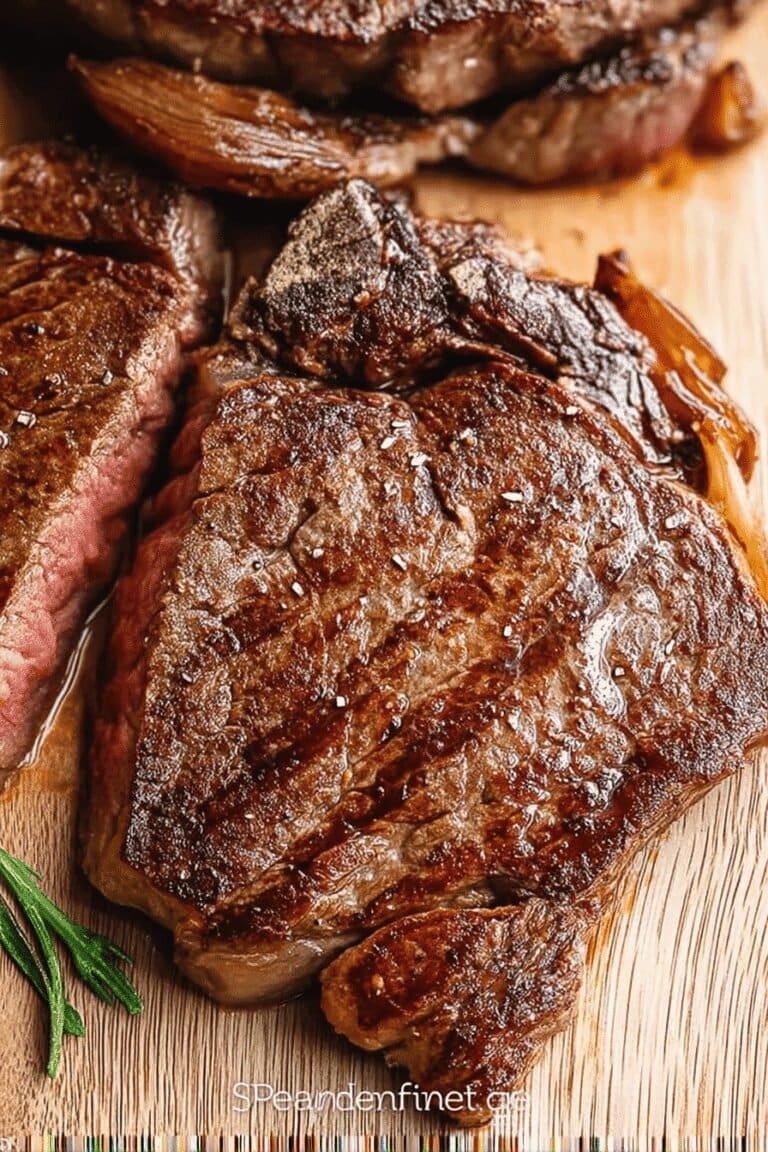
How to Cook the Ideal Ribeye Steak: Grilled or Pan-Seared Methods
🥩 Experience the ultimate steak night with perfectly cooked ribeye steaks full of rich flavor.
🔥 Master simple techniques to grill or pan-sear steaks to mouth-watering perfection every time.
- Total Time: 260-2905 minutes
- Yield: 2 servings 1x
Ingredients
2 ribeye steaks, about 1 inch thick, well-marbled
2 tablespoons olive oil or vegetable oil
1 tablespoon kosher or steak seasoning
2 tablespoons unsalted or herbed butter
Optional aromatics: garlic, rosemary, thyme
Instructions
1. Remove steaks from the fridge 30-45 minutes before cooking to reach room temperature.
2. Pat steaks dry, coat with oil, and season with salt, pepper, or steak seasoning.
3. For grilling: Preheat grill to medium-high heat (375°F to 500°F).
4. Grill steaks for 5-7 minutes per side for medium-rare, adjusting time for thickness. Avoid pressing steaks.
5. For oven method: Preheat oven to 400°F and heat an oven-safe skillet on medium-high heat.
6. Sear steaks for 2-3 minutes per side until deep brown. Transfer skillet to oven and roast for 10-15 minutes.
7. Remove steaks, top with butter or herbed sauce, tent with foil, and rest for 5-10 minutes.
8. Slice against the grain and serve.
Last Step:
Please leave a rating and comment letting us know how you liked this recipe! This helps our business to thrive and continue providing free, high-quality recipes for you.Notes
📏 Thicker steaks develop a better crust and cook evenly.
⏱️ Bring steaks to room temperature before cooking for even doneness.
🌡️ Use a meat thermometer to ensure accurate internal temperature readings.
- Prep Time: 5-10 minutes
- Salting/Resting Time: 240-2880 minutes
- Cook Time: 10-15 minutes
- Category: Main Course
- Method: Grilling or Pan-Seared
- Cuisine: American
- Diet: High Protein
Nutrition
- Serving Size: 1 steak
- Calories: 745
- Sugar: Trace
- Sodium: Varies
- Fat: 57g
- Saturated Fat: 25g
- Unsaturated Fat: 25g
- Trans Fat: 0g
- Carbohydrates: 1g
- Fiber: 0g
- Protein: 58g
- Cholesterol: 195mg


