

Why You’ll Love This Pineapple Mango Salsa
There’s something magical about a recipe that requires zero cooking yet delivers maximum flavor. This Pineapple Mango Salsa brings the tropics straight to your table in just 15 minutes, making it perfect for busy weeknights, weekend gatherings, or anytime you crave a burst of fresh sweetness. Whether you’re a seasoned cook or just starting out, this colorful dip will become your go-to recipe for impressing guests without spending hours in the kitchen.
Here’s why this tropical fruit salsa deserves a permanent spot in your recipe collection:
- Ease of preparation: No stove, oven, or fancy equipment needed. Simply chop, toss, and serve. The entire recipe comes together in about 15 minutes from start to finish, making it ideal for those days when you want something homemade but don’t have the energy for complicated cooking. Even kitchen beginners can master this recipe on the first try.
- Health benefits: Each serving packs just 55 calories while delivering an impressive nutritional punch. You’ll get 57mg of immune-boosting vitamin C, 792 IU of vitamin A for healthy vision, and 2g of fiber to support digestion. The combination of pineapple and mango provides natural sweetness without added sugars, making this a smart choice for anyone watching their intake. For more on the health benefits of pineapple, check out this comprehensive guide on pineapple nutrition.
- Versatility: This salsa works overtime in your meal rotation. Serve it as a dip with tortilla chips, spoon it over grilled chicken or fish, stuff it into tacos, or enjoy it straight from the bowl as a refreshing side. It’s naturally vegan and gluten-free, so it fits seamlessly into most dietary preferences without any modifications.
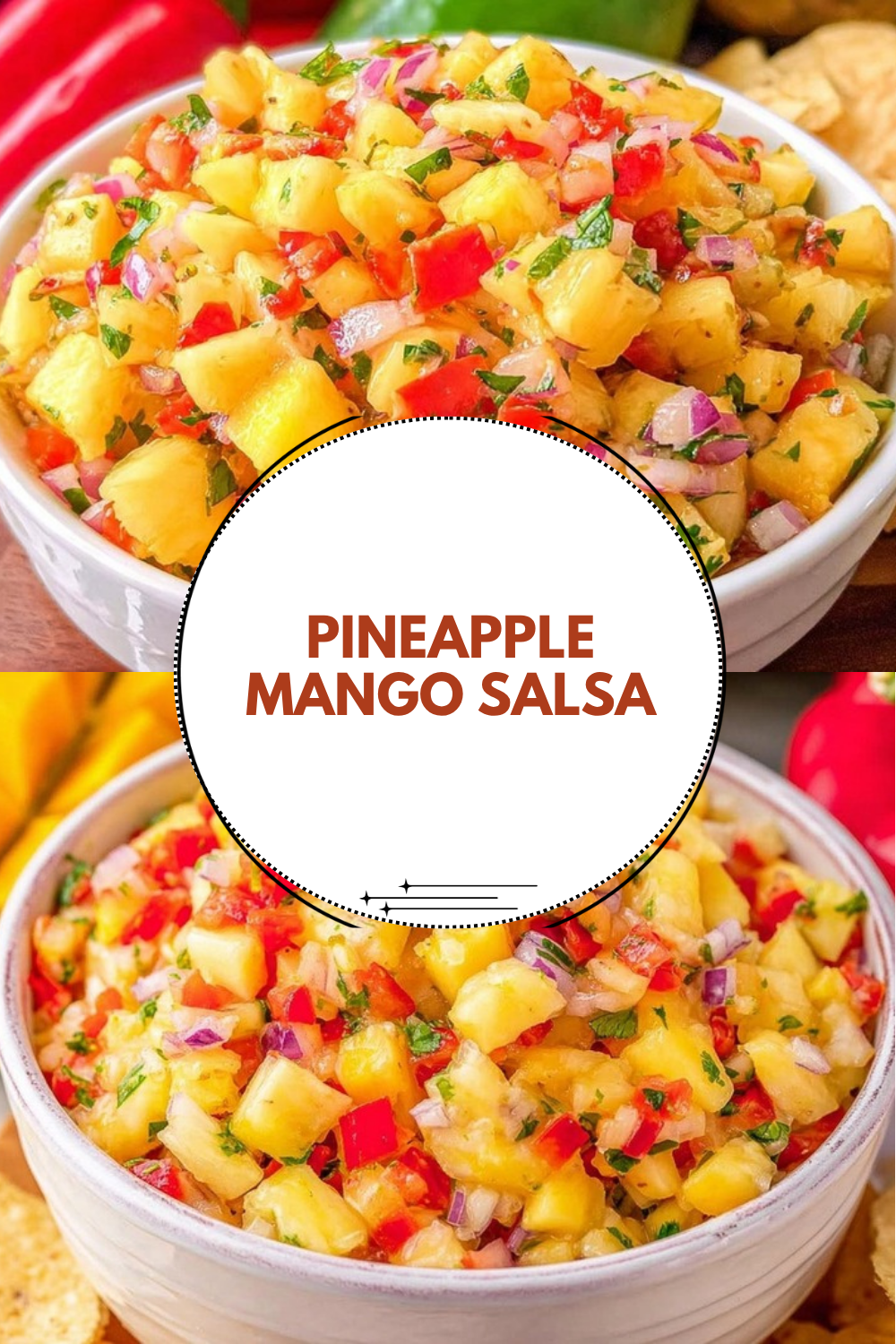
- Distinctive flavor: The sweet-tart balance of ripe pineapple and mango pairs beautifully with the sharp bite of red onion and the gentle heat from jalapeño. Fresh cilantro adds an herbal brightness while lime juice ties everything together with a zesty finish. This combination creates layers of flavor that dance across your taste buds.
Jump To
- 1. Why You’ll Love This Pineapple Mango Salsa
- 2. Essential Ingredients for Pineapple Mango Salsa
- 3. How to Prepare the Perfect Pineapple Mango Salsa: Step-by-Step Guide
- 4. Dietary Substitutions to Customize Your Pineapple Mango Salsa
- 5. Mastering Pineapple Mango Salsa: Advanced Tips and Variations
- 6. How to Store Pineapple Mango Salsa: Best Practices
- 7. FAQs: Frequently Asked Questions About Pineapple Mango Salsa
- 8. Pineapple Mango Salsa
Essential Ingredients for Pineapple Mango Salsa
Creating the perfect Pineapple Mango Salsa starts with gathering quality ingredients. Each component plays a vital role in building that signature sweet, tangy, and slightly spicy profile that makes this salsa so addictive.
Here’s everything you’ll need with precise measurements:
- 2 cups cubed pineapple – Forms the sweet base of the salsa. Fresh ripe pineapple delivers the best flavor and texture, but you can use canned pineapple chunks (drained well) in a pinch. Look for golden-colored fruit that yields slightly to pressure for optimal ripeness.
- 1 cup cubed mango – Adds tropical sweetness and a creamy texture. Choose mangoes that give slightly when squeezed and have a fragrant, sweet aroma at the stem end. Ripe mango should be mostly yellow or orange with some red blush.
- 1/2 cup diced red onion – Provides a sharp, savory contrast to the sweet fruits. Dice it small so the onion flavor distributes evenly throughout the salsa without overwhelming any single bite.
- 1/2 cup diced red bell pepper – Adds crunch, color, and mild sweetness. The bright red pieces create visual appeal while contributing a crisp texture that holds up well.
- 1 tablespoon diced jalapeño – Brings a gentle heat that balances the sweetness. Remove the seeds and membranes for mild spice, or leave them in if you prefer more heat. Start with less and add more to taste.
- 1 tablespoon lime juice – Freshly squeezed lime juice brightens all the flavors and helps prevent the fruits from browning. The acidity also helps preserve the salsa during storage.
- 1/4 cup chopped cilantro – Fresh cilantro adds an herbal, citrusy note that ties the tropical flavors together. If you’re not a cilantro fan, you can substitute fresh parsley, though the flavor profile will change slightly.
- Salt to taste – Essential for bringing out the natural sweetness of the fruits and balancing the overall flavor. Start with 1/4 teaspoon and adjust from there.
Special Dietary Options
This salsa already fits many dietary needs, but here’s a quick reference for those with specific requirements:
| Dietary Need | Status | Notes |
|---|---|---|
| Vegan | Naturally vegan | No modifications needed |
| Gluten-free | Naturally gluten-free | Safe for celiac diets |
| Low-calorie | Yes (55 cal/serving) | Great for weight management |
| Dairy-free | Naturally dairy-free | No modifications needed |
| Low-sodium | Can be adjusted | Reduce or omit added salt |
For those interested in the nutritional powerhouse that mango brings to this recipe, this article on mango benefits explains why this fruit is considered a superfood.
How to Prepare the Perfect Pineapple Mango Salsa: Step-by-Step Guide
Making Pineapple Mango Salsa is straightforward, but a few technique tips will help you achieve the best texture and flavor. Follow these steps for salsa that tastes like it came from a restaurant.
Step 1: Prepare the Pineapple
Start by selecting a ripe pineapple. Look for one with golden skin that yields slightly when pressed and has a sweet fragrance at the base. To prepare, slice off the top and bottom to create stable cutting surfaces. Stand the pineapple upright and slice downward to remove the spiky skin in strips. Cut out any remaining “eyes” (the small brown spots) with the tip of your knife.
Cut the peeled pineapple lengthwise into quarters, then remove the tough core from each piece. Dice the pineapple into small, uniform cubes, about 1/4 to 1/2 inch in size. Uniform pieces ensure every bite has the same balance of flavors. Transfer the cubed pineapple to a large mixing bowl.
Step 2: Dice the Mango
Choose a ripe mango with mostly yellow-orange skin and a sweet aroma. The mango should yield slightly when gently squeezed. To dice, slice off the two flat sides of the mango (often called “cheeks”) as close to the pit as possible. Score the flesh in a crosshatch pattern without cutting through the skin. Push the skin from underneath to turn the scored mango inside out, creating a “hedgehog” shape, then slice the cubes off the skin.
Cut any remaining fruit from around the pit and dice. You want pieces similar in size to your pineapple cubes. Add the diced mango to the bowl with the pineapple. For detailed information on mango varieties and their nutritional benefits, you can reference reputable health resources.
Step 3: Chop the Vegetables
Peel and dice the red onion into small pieces, roughly 1/4 inch or smaller. Small onion pieces distribute better throughout the salsa and prevent any single bite from being too onion-heavy. Add the diced onion to your fruit mixture.
Wash and dice the red bell pepper. Remove the stem, seeds, and inner membranes, then cut the pepper into small cubes matching the size of your other ingredients. The red pepper adds satisfying crunch and beautiful color contrast.
Step 4: Prepare the Jalapeño
Handle jalapeños with care. Wear gloves if you have sensitive skin, and avoid touching your eyes. Slice the jalapeño lengthwise, remove the seeds and white membranes for milder heat, or leave them for more intensity. Finely mince the jalapeño into tiny pieces so the heat distributes evenly. Add 1 tablespoon to start, and you can always add more if you prefer extra spice.
Pro Tip: The heat level in jalapeños can vary significantly depending on growing conditions and season. Always taste a tiny piece before adding the full amount to gauge the spice level.
Step 5: Add the Finishing Touches
Wash and chop the fresh cilantro. Remove the thick stems and chop the leaves and tender stems finely. Add the cilantro to your bowl.
Squeeze fresh lime juice over the mixture. One medium lime typically yields about 1 tablespoon of juice, but have a second lime ready just in case. Freshly squeezed lime juice provides the best flavor, as bottled versions can taste metallic or overly acidic.
Step 6: Toss and Season
Gently toss all ingredients together in a large bowl using a spoon or your hands. The goal is to combine everything evenly without mashing the delicate fruit. A spacious mixing bowl gives you room to work without ingredients spilling over the sides.
Once combined, taste your salsa. Add salt incrementally, starting with 1/4 teaspoon, mixing, and tasting again. Salt brightens the flavors and helps balance the sweetness, especially if your fruit isn’t perfectly ripe. Stop when the flavors taste balanced and vibrant.
Step 7: Serve or Store
Your Pineapple Mango Salsa is ready to serve immediately. However, letting it rest for 10-15 minutes allows the flavors to meld together beautifully. If you have time, refrigerate for 30 minutes before serving for an even more developed taste.
This salsa pairs beautifully with perfectly grilled salmon or spooned over juicy grilled chicken for a complete meal.

Dietary Substitutions to Customize Your Pineapple Mango Salsa
While this Pineapple Mango Salsa recipe works perfectly as written, you might need or want to make adjustments based on availability, preferences, or dietary needs. Here are some smart substitutions that maintain the spirit of the recipe while accommodating different situations.
Fruit Alternatives
If fresh pineapple or mango isn’t available or you’re looking to change things up, several alternatives work well:
- Frozen pineapple and mango: Thaw completely and drain excess liquid before using. The texture will be slightly softer but the flavor remains excellent. Frozen fruit often comes pre-cut, saving prep time.
- Canned pineapple: Use pineapple chunks packed in juice (not syrup). Drain thoroughly and pat dry with paper towels to remove excess moisture that would make the salsa watery.
- Papaya: Substitute papaya for mango when you want a similar tropical vibe with a slightly different flavor profile. Use the same quantity (1 cup diced).
- Peaches or nectarines: During summer months, fresh peaches make a delicious substitute for mango. They bring sweetness with a different aromatic quality.
Vegetable, Herb, and Seasoning Modifications
The vegetables and seasonings offer plenty of room for customization based on taste preferences and what’s in your kitchen:
- Cilantro substitute: If you’re one of the people who find cilantro soapy or unpleasant, fresh parsley works as a milder alternative. Basil also creates an interesting twist with a sweeter, more aromatic profile.
- Heat adjustments: For milder salsa, use half a jalapeño or substitute diced poblano pepper, which adds flavor without much heat. For spicy salsa lovers, serrano peppers or habaneros bring serious fire. Start with half the amount and increase gradually.
- Red onion alternatives: Green onions (scallions) provide a milder onion flavor. White onion works too but has a sharper bite. Soak diced onions in cold water for 10 minutes to reduce their intensity.
- Bell pepper variations: Orange or yellow bell peppers work just as well as red and add similar sweetness. Green bell peppers are acceptable but have a slightly bitter edge.
- Citrus swaps: Lemon juice can substitute for lime in a pinch, though the flavor profile changes slightly. A mix of lime and orange juice creates a sweeter, more complex acidity.
Mastering Pineapple Mango Salsa: Advanced Tips and Variations
Once you’ve mastered the basic Pineapple Mango Salsa, you can experiment with techniques and variations that take this recipe to the next level. These tips come from years of making fresh salsas and learning what makes them shine.
Pro Techniques for Better Results
Sharp knives matter: Dull knives crush fruit rather than slicing cleanly through it. Use a sharp chef’s knife to achieve clean cuts that maintain the integrity of your pineapple and mango cubes. This prevents the salsa from becoming mushy.
Uniformity is key: Take the time to cut all ingredients into similar-sized pieces. When every ingredient is the same size, each bite delivers the same balance of flavors and textures. This attention to detail separates good salsa from great salsa.
Temperature matters: Serve this salsa chilled or at room temperature, but never warm. Cold salsa tastes more refreshing and the flavors pop more brightly. If you’ve made it ahead, give it 10-15 minutes at room temperature before serving for the most vibrant taste.
Creative Flavor Variations
Try these variations when you want to change up the flavor profile:
- Tropical twist: Add 1/4 cup diced cucumber and a splash of coconut milk for a creamy, refreshing variation that pairs beautifully with seafood.
- Smoky profile: Add 1/4 teaspoon smoked paprika or a pinch of cumin for a salsa that complements grilled meats exceptionally well.
- Fruity fusion: Mix in 1/2 cup diced strawberries or kiwi for a berry-tropical hybrid that’s visually stunning.
- Herb medley: Combine cilantro with fresh mint or basil for a more complex herbal note.
- Citrus boost: Add 1 teaspoon of grated lime zest along with the juice for intensified citrus aroma.
Presentation Tips
How you serve Pineapple Mango Salsa affects the overall experience:
- Color contrast: Serve in a white or clear glass bowl to showcase the vibrant colors. The bright yellow pineapple, orange mango, red pepper, and green cilantro create a stunning presentation.
- Garnish options: Top with a sprig of fresh cilantro or a lime wedge for a restaurant-style finish. A light sprinkle of coarse salt on top adds visual appeal and a flavor burst.
- Chips choice: Serve with sturdy tortilla chips that won’t break when scooping. Blue corn chips create a beautiful color contrast, while plantain chips offer a sweeter complement.
Make-Ahead Strategies
While this salsa tastes best fresh, you can prep components ahead:
- Dice pineapple and mango up to 2 days in advance and store separately in airtight containers in the refrigerator.
- Chop onions and bell peppers up to 3 days ahead.
- Wait to add lime juice, cilantro, and salt until just before serving to maintain the brightest flavors.
How to Store Pineapple Mango Salsa: Best Practices
Pineapple Mango Salsa tastes best immediately after making it, but proper storage lets you enjoy leftovers or make it slightly ahead. Understanding how to store it ensures you maintain both safety and quality.
Refrigeration Guidelines
Transfer leftover salsa to an airtight container and refrigerate promptly. Properly stored, it keeps for up to 2 days, though the texture gradually softens as the fruits release moisture. The flavors often intensify after the first day as ingredients meld together, but the crisp texture diminishes.
For best results, press plastic wrap directly onto the surface of the salsa before sealing the container. This minimizes air exposure and helps prevent the cilantro from oxidizing.
Freezing Considerations
Freezing isn’t recommended for salsa you plan to serve as a dip. The high water content in pineapple and mango causes the texture to become mushy upon thawing. However, if you plan to use it only as a cooked sauce or marinade, freezing works acceptably. Freeze in airtight containers for up to 1 month, then thaw overnight in the refrigerator and drain excess liquid before using.
Food Safety Notes
Never leave salsa at room temperature for more than 2 hours, as the combination of fruits and vegetables creates an environment where bacteria can grow. If serving outdoors on a hot day, keep the salsa bowl over ice or refrigerate between servings.
Meal Prep Tips
This salsa fits wonderfully into meal prep routines:
- Prepare a double batch on Sunday to enjoy throughout the week.
- Portion into individual serving containers for quick grab-and-go snacks.
- Pre-portion the prepped (but not combined) ingredients for assembly later in the week.
FAQs: Frequently Asked Questions About Pineapple Mango Salsa
What ingredients are in pineapple mango salsa?
Pineapple mango salsa typically includes 2 cups diced fresh pineapple, 2 cups diced ripe mango, 1/2 cup finely chopped red onion, 1 red bell pepper diced, 1-2 jalapeños seeded and minced (adjust for heat), 1/4 cup chopped fresh cilantro, juice of 2 limes, and 1/2 teaspoon salt. These create a sweet, tangy, and slightly spicy fresh salsa. For best results, use ripe fruits for natural sweetness. This recipe serves 6-8 as an appetizer and takes about 15 minutes to prep. Omit jalapeños for mild flavor or add seeds for extra kick. It’s naturally vegan, gluten-free, and packed with vitamin C—over 100% daily value per serving from the fruits.
How do you make pineapple mango salsa?
Start by peeling and dicing 2 cups pineapple and 2 cups mango into 1/4-inch pieces. Finely chop 1/2 cup red onion, dice 1 red bell pepper, mince 1-2 jalapeños (remove seeds for less heat), and chop 1/4 cup cilantro. Combine all in a large bowl. Squeeze in juice from 2 limes and add 1/2 teaspoon salt. Gently toss to mix evenly. Taste and adjust lime or salt as needed. Let it sit 10-15 minutes for flavors to meld, or chill for 30 minutes. No cooking required—it’s ready in 15 minutes. Pro tip: Use a sharp knife for clean cuts to avoid mushy fruit. Serve fresh for peak texture and taste.
Can you make pineapple mango salsa spicier?
Yes, easily amp up the heat in pineapple mango salsa. Add more jalapeños—use 2-3 instead of 1, or leave in the seeds and membranes for intense spiciness. Mix in 1/4 teaspoon cayenne pepper or a minced habanero for serious fire. Finely dice extra red onion for sharper bite. After combining base ingredients (pineapple, mango, bell pepper, cilantro, lime, salt), stir in your chosen heat boosters and taste test. Start small to avoid overpowering the sweet fruits. This keeps the salsa balanced while customizing to your preference. It’s forgiving—adjust incrementally. Pairs great with cooling sour cream or yogurt if it gets too hot.
How long does pineapple mango salsa last?
Fresh pineapple mango salsa stays good in the fridge for up to 2-3 days when stored properly. Place leftovers in an airtight container right away to minimize moisture buildup, which can soften the fruit. The lime juice helps preserve it by adding acidity. After day 1, it may release juices and cilantro might wilt slightly, but flavors intensify nicely. Discard if it smells off or develops mold. For longer storage, freeze in portions up to 1 month—thaw overnight in fridge and drain excess liquid before serving. Don’t leave at room temp over 2 hours to avoid bacterial growth. Makes about 4 cups, perfect for meal prep.
What do you serve pineapple mango salsa with?
Pineapple mango salsa shines as a versatile topping or dip. Scoop with tortilla chips for a snack, or pile on grilled chicken, fish tacos, salmon, shrimp, steak, or pork. It adds tropical brightness to burgers, salads, or grain bowls. Spoon over nachos, quesadillas, or tacos for zesty contrast. Enjoy solo as a refreshing side, or mix into guacamole. Pairs with grilled meats at barbecues—try on fish for 4 servings. For drinks, match with margaritas or light beers. One batch (4 cups) serves 6-8. Links well to recipes like grilled shrimp skewers or fish tacos on your site for full meal ideas.

Pineapple Mango Salsa
🍍 Dive into this vibrant pineapple mango salsa for a burst of tropical sweetness, vitamins, and refreshment in every bite!
🥭 No-cook and ready in 15 minutes, it’s a versatile, healthy delight perfect for chips, grilled meats, fish, or as a snack.
- Total Time: 15 minutes
- Yield: 6 servings
Ingredients
– 2 cups cubed pineapple
– 1 cup cubed mango
– 1/2 cup diced red onion
– 1/2 cup diced red bell pepper
– 1 tablespoon diced jalapeño
– 1 tablespoon lime juice
– 1/4 cup chopped cilantro
– Salt to taste
Instructions
1-Step 1: Prepare the Pineapple. Start by selecting a ripe pineapple. Look for one with golden skin that yields slightly when pressed and has a sweet fragrance at the base. To prepare, slice off the top and bottom to create stable cutting surfaces. Stand the pineapple upright and slice downward to remove the spiky skin in strips. Cut out any remaining “eyes” (the small brown spots) with the tip of your knife. Cut the peeled pineapple lengthwise into quarters, then remove the tough core from each piece. Dice the pineapple into small, uniform cubes, about 1/4 to 1/2 inch in size. Uniform pieces ensure every bite has the same balance of flavors. Transfer the cubed pineapple to a large mixing bowl.
2-Step 2: Dice the Mango. Choose a ripe mango with mostly yellow-orange skin and a sweet aroma. The mango should yield slightly when gently squeezed. To dice, slice off the two flat sides of the mango (often called “cheeks”) as close to the pit as possible. Score the flesh in a crosshatch pattern without cutting through the skin. Push the skin from underneath to turn the scored mango inside out, creating a “hedgehog” shape, then slice the cubes off the skin. Cut any remaining fruit from around the pit and dice. You want pieces similar in size to your pineapple cubes. Add the diced mango to the bowl with the pineapple. For detailed information on mango varieties and their nutritional benefits, you can reference reputable health resources.
3-Step 3: Chop the Vegetables. Peel and dice the red onion into small pieces, roughly 1/4 inch or smaller. Small onion pieces distribute better throughout the salsa and prevent any single bite from being too onion-heavy. Add the diced onion to your fruit mixture. Wash and dice the red bell pepper. Remove the stem, seeds, and inner membranes, then cut the pepper into small cubes matching the size of your other ingredients. The red pepper adds satisfying crunch and beautiful color contrast.
4-Step 4: Prepare the Jalapeño. Handle jalapeños with care. Wear gloves if you have sensitive skin, and avoid touching your eyes. Slice the jalapeño lengthwise, remove the seeds and white membranes for milder heat, or leave them for more intensity. Finely mince the jalapeño into tiny pieces so the heat distributes evenly. Add 1 tablespoon to start, and you can always add more if you prefer extra spice.
5-Step 5: Add the Finishing Touches. Wash and chop the fresh cilantro. Remove the thick stems and chop the leaves and tender stems finely. Add the cilantro to your bowl. Squeeze fresh lime juice over the mixture. One medium lime typically yields about 1 tablespoon of juice, but have a second lime ready just in case. Freshly squeezed lime juice provides the best flavor, as bottled versions can taste metallic or overly acidic.
6-Step 6: Toss and Season. Gently toss all ingredients together in a large bowl using a spoon or your hands. The goal is to combine everything evenly without mashing the delicate fruit. A spacious mixing bowl gives you room to work without ingredients spilling over the sides. Once combined, taste your salsa. Add salt incrementally, starting with 1/4 teaspoon, mixing, and tasting again. Salt brightens the flavors and helps balance the sweetness, especially if your fruit isn’t perfectly ripe. Stop when the flavors taste balanced and vibrant.
7-Step 7: Serve or Store. Your Pineapple Mango Salsa is ready to serve immediately. However, letting it rest for 10-15 minutes allows the flavors to meld together beautifully. If you have time, refrigerate for 30 minutes before serving for an even more developed taste. This salsa pairs beautifully with perfectly grilled salmon or spooned over juicy grilled chicken for a complete meal.
Last Step:
Please leave a rating and comment letting us know how you liked this recipe! This helps our business to thrive and continue providing free, high-quality recipes for you.Notes
🍍 Select ripe, sweet pineapple and mango for the most delicious tropical flavor.
🌶️ Adjust the amount of jalapeño or red onion to control the heat level to your preference.
🧂 Use salt to brighten and balance the flavors, especially if using slightly underripe fruit.
- Prep Time: 15 minutes
- Category: Salsa
- Method: No Cook
- Cuisine: Mexican
- Diet: Vegan, Vegetarian, Gluten-Free, Paleo, Low-Calorie
Nutrition
- Serving Size: 1/2 cup
- Calories: 55 kcal
- Sugar: 10g
- Sodium: 99mg
- Fat: 1g
- Saturated Fat: 0.5g
- Unsaturated Fat: 0.5g
- Trans Fat: 0g
- Carbohydrates: 14g
- Fiber: 2g
- Protein: 1g
- Cholesterol: 0mg


