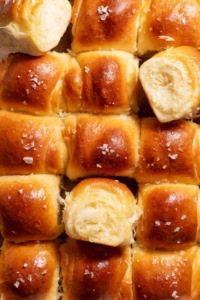
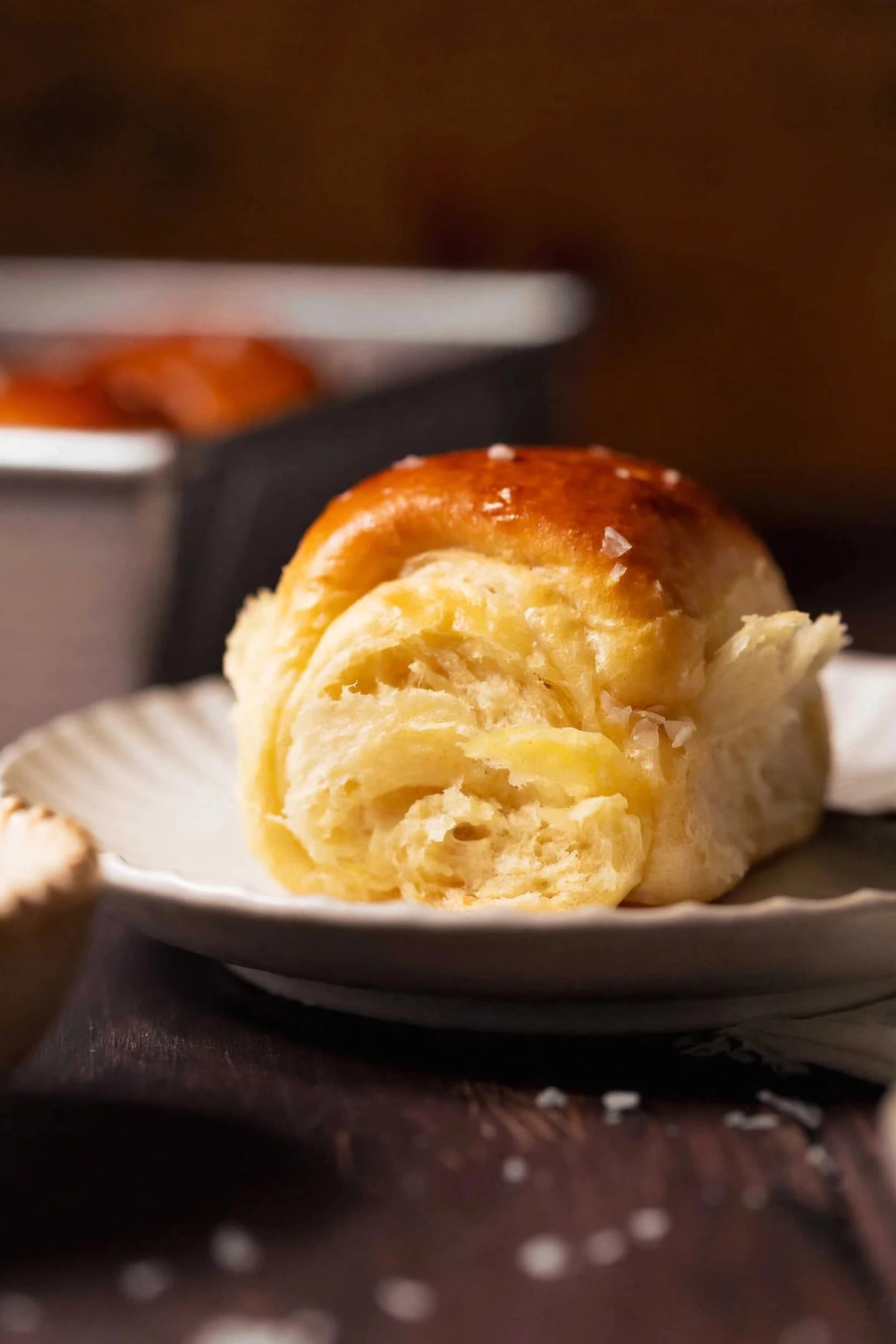
Warm milk bread dinner rolls come out of the oven soft, pillowy, and golden, with a buttery finish. The tangzhong method is the secret to that tender crumb and to rolls that stay soft for days.

How to Make Them
These rolls are built for real life. They use simple ingredients, a 9×13 baking pan, and a method that rewards you with a bakery style pull apart texture.
The dough is enriched with milk, eggs, and butter, so it feels soft and slightly tacky after kneading. The tangzhong, a cooked paste of water and bread flour, locks in moisture and gives the rolls their signature pillowy crumb.
It is the same technique behind milk bread cinnamon rolls and milk bread donuts.
What you need
This recipe makes 15 servings. Use the full list below for the dough and the finish.
| Key detail | What to use |
|---|---|
| Pan | 9×13 baking pan lined with parchment paper |
| Oven | 350°F (180°C) |
| Prep time | 2 hours 30 minutes |
| Bake time | 30 to 40 minutes (the recipe card lists 30 minutes; the method says 30 to 40) |
| Servings | 15 rolls |
For the tangzhong
- 3/4 cup plus 1 tablespoon water
- 1/3 cup bread flour
For the yeast dough
- 5 cups bread flour
- 3 tablespoons granulated sugar
- 2 1/2 teaspoons instant yeast
- 1 3/4 teaspoons fine sea salt
- 3/4 cup whole milk, room temperature
- 2 large eggs, room temperature
- All of the tangzhong from above
- 9 tablespoons salted European butter, room temperature
- 1 large egg, whisked, for brushing
- 2 tablespoons salted European butter, melted, for after baking
Flaky sea salt is optional for the finish. The recipe does not give a measured amount, so sprinkle lightly if you use it.
Step by step
- Prepare the pan. Line a 9×13 baking pan with parchment paper and set it aside.
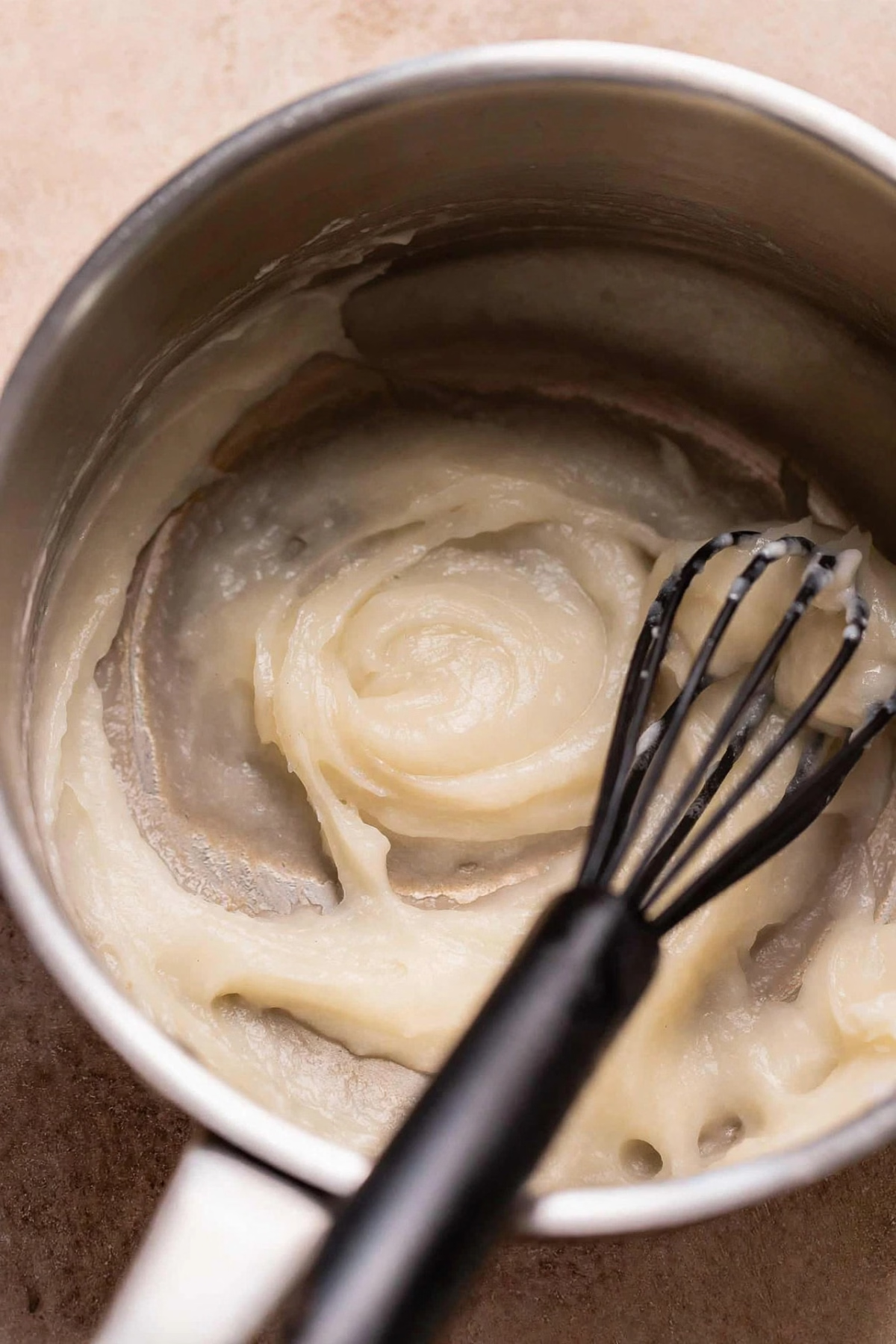
- Cook the tangzhong. In a small saucepan, whisk the water and bread flour together. Cook over medium heat, whisking constantly, for 2 to 3 minutes. It is ready when the mixture is thick like mashed potatoes and the whisk leaves lines on the bottom of the pan. Scrape it into a bowl and set it aside to cool.
- Mix the dry ingredients. In the bowl of a stand mixer, mix the bread flour, sugar, instant yeast, and fine sea salt.
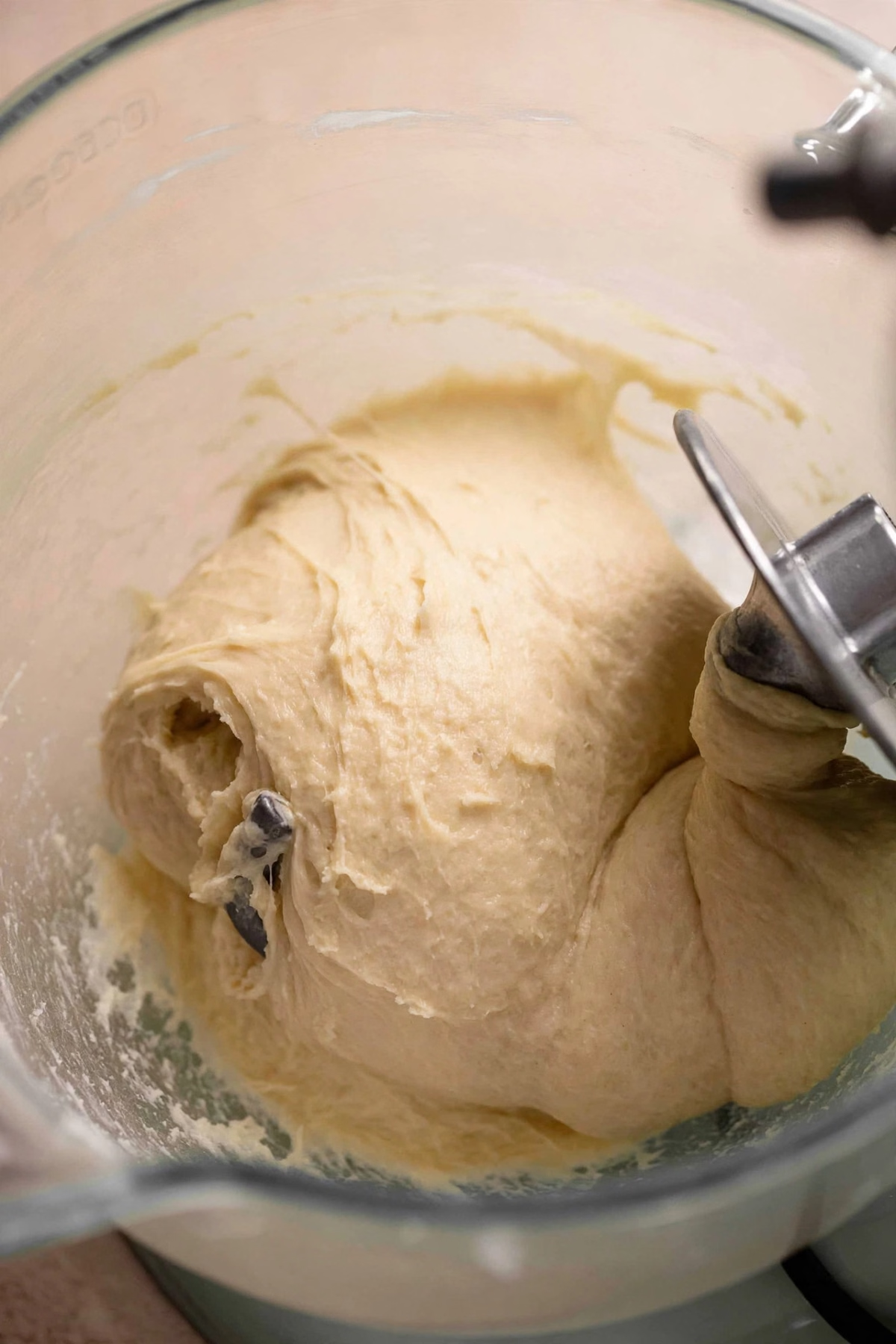
- Add the wet ingredients. Add the room temperature milk, eggs, and tangzhong. Knead on low speed with the dough hook for 2 minutes, until the dough forms a rough ball.
- Knead in the butter. With the mixer running on low, add the softened butter one tablespoon at a time. Let each addition fully incorporate before adding the next. Then knead for another 12 minutes. The dough should look smooth and elastic and feel slightly tacky. If it is overly sticky, add an extra tablespoon of flour, but hold back unless you need it.
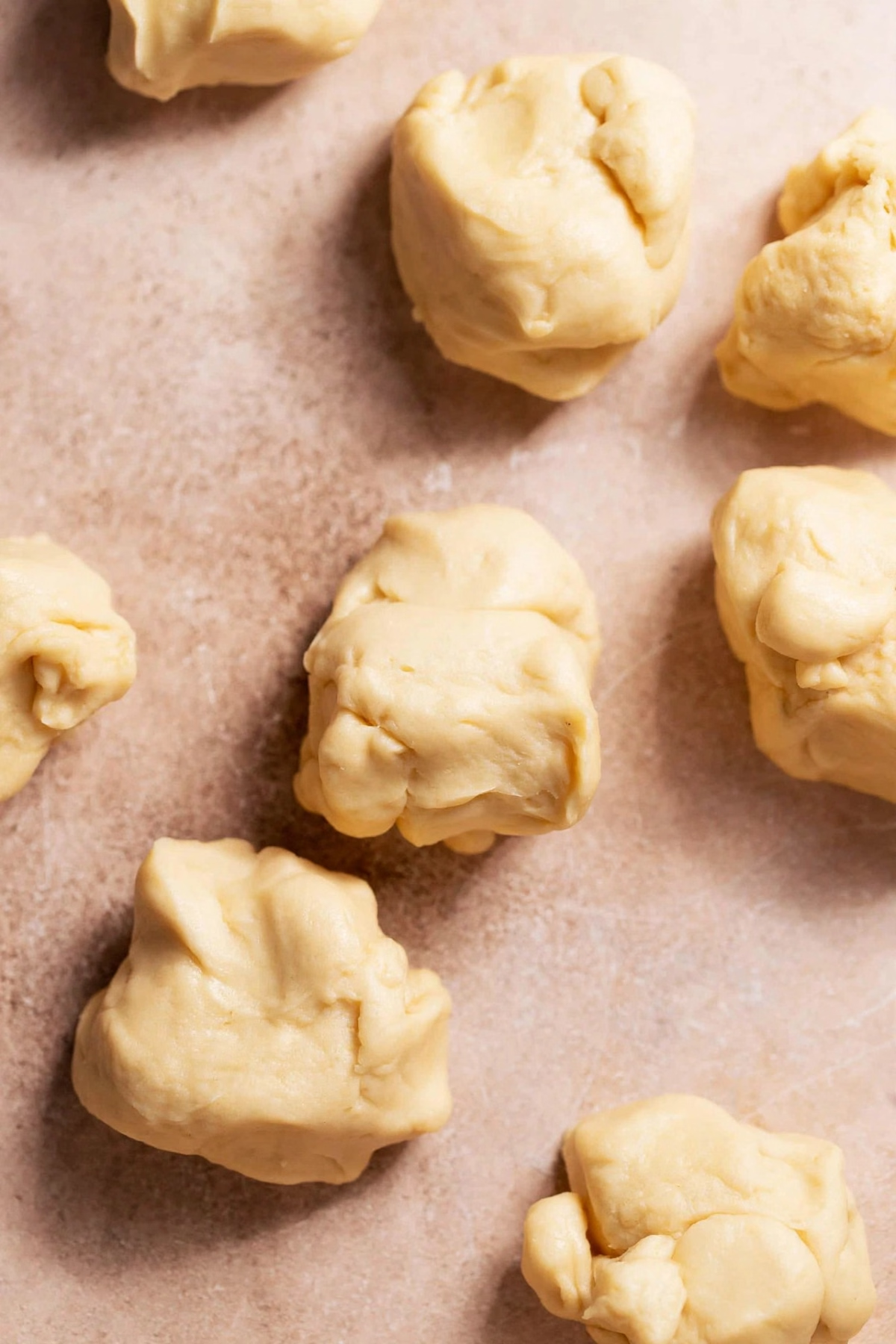
- Portion the dough. Cut the dough into 15 equal pieces, about 83 grams each. Use a bench scraper or knife and a kitchen scale for even pieces. Do not tear the dough apart, because tearing can break the gluten strands you just built during kneading. Loosely cover the pieces with plastic wrap so they do not dry out while you shape them.
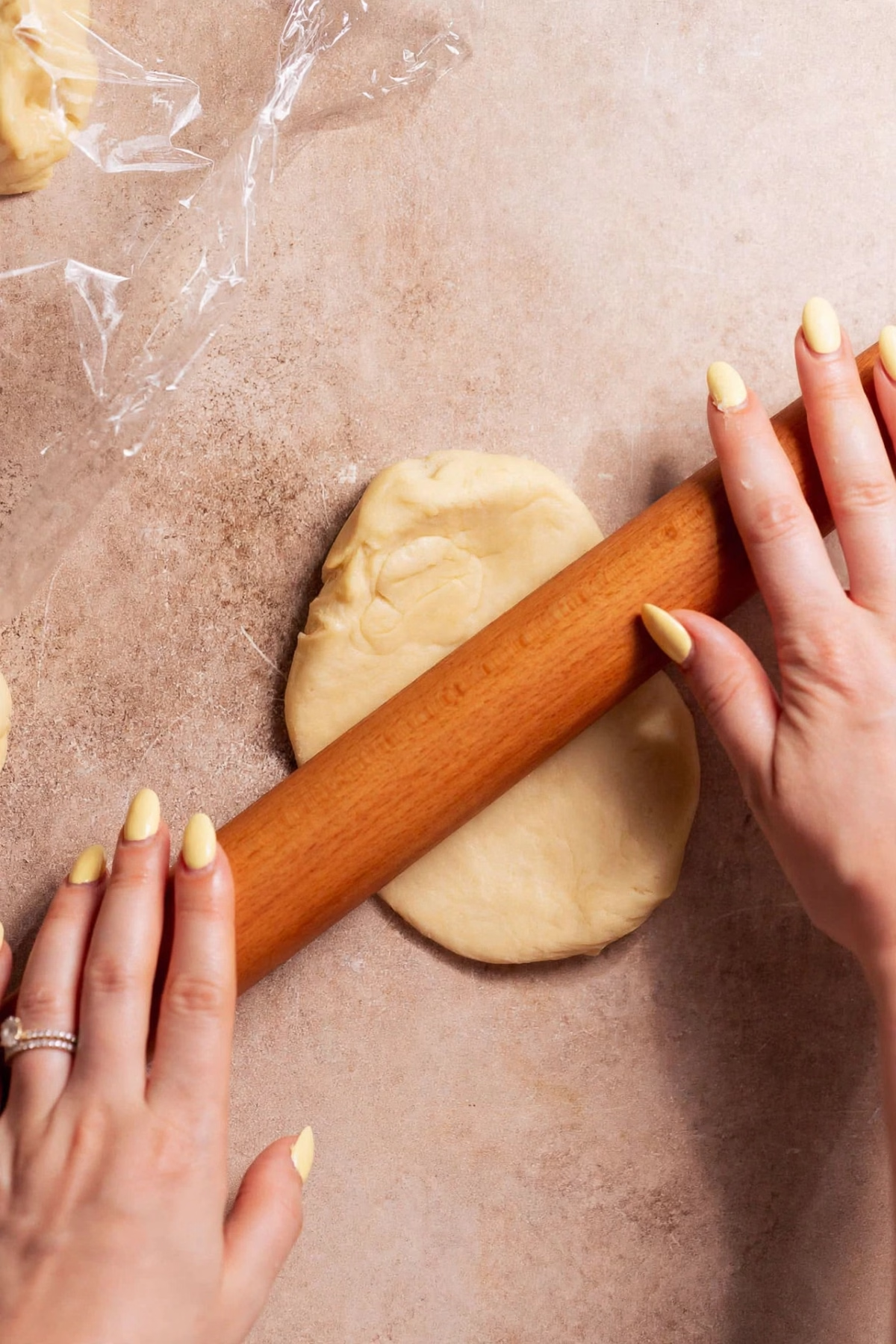
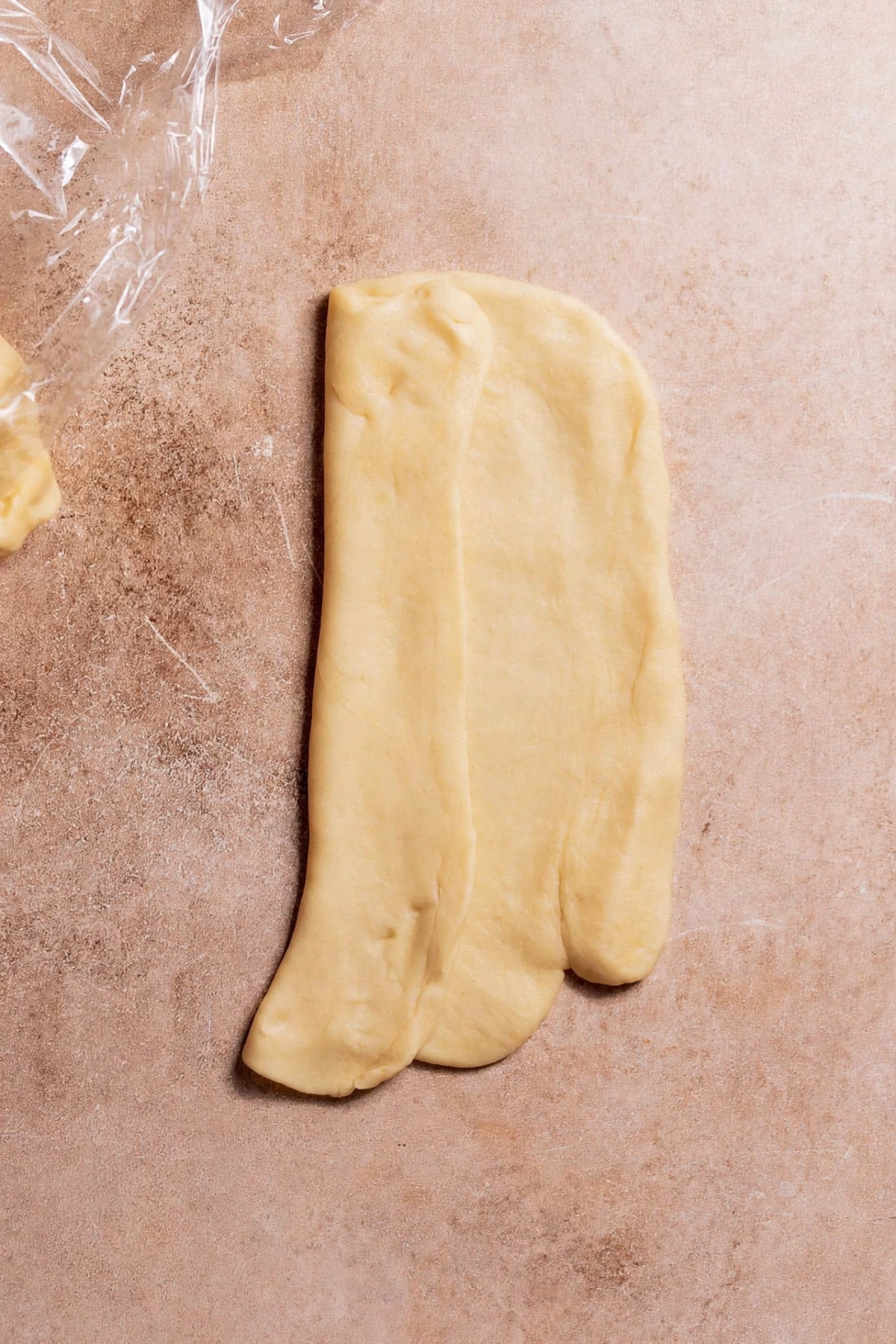
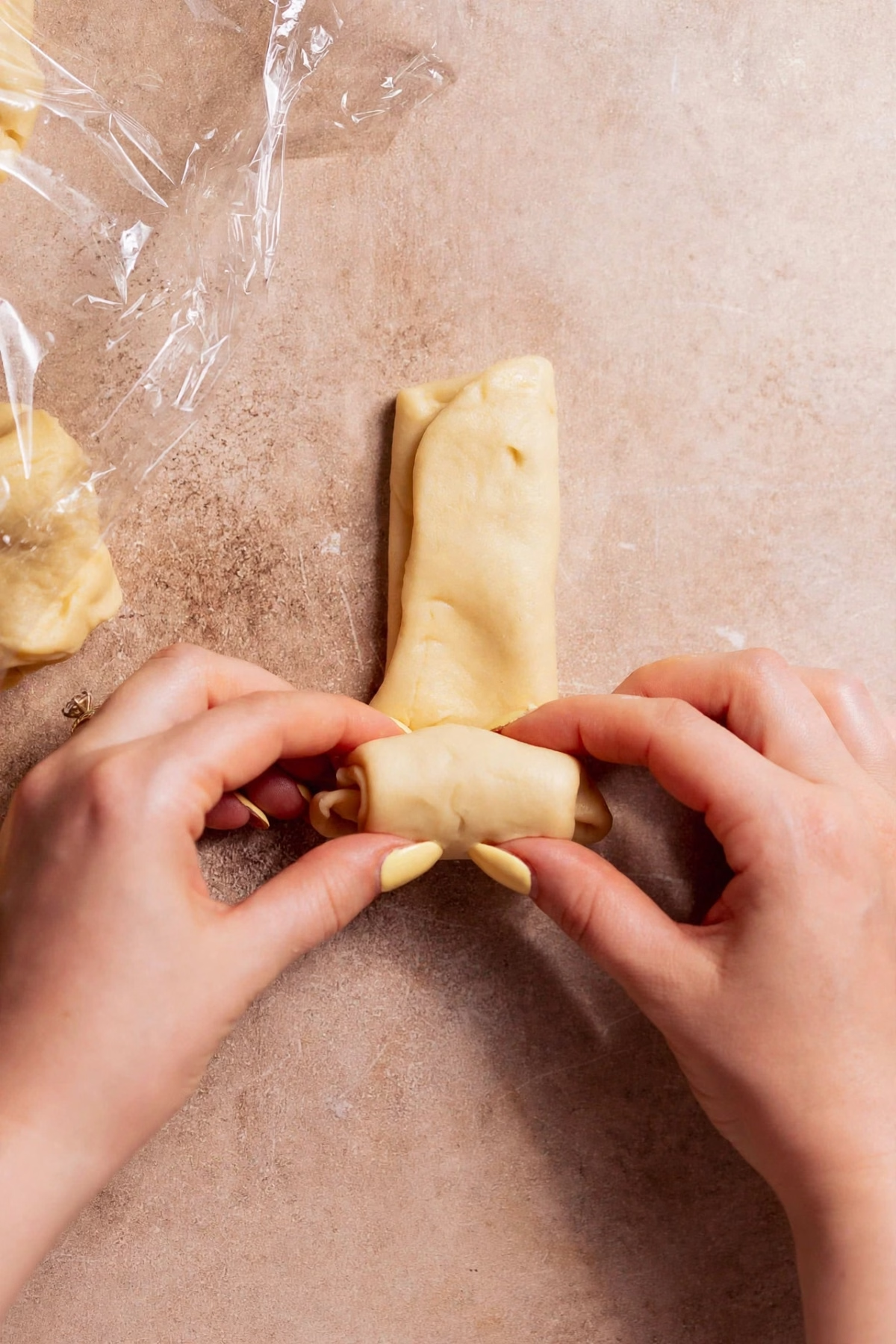
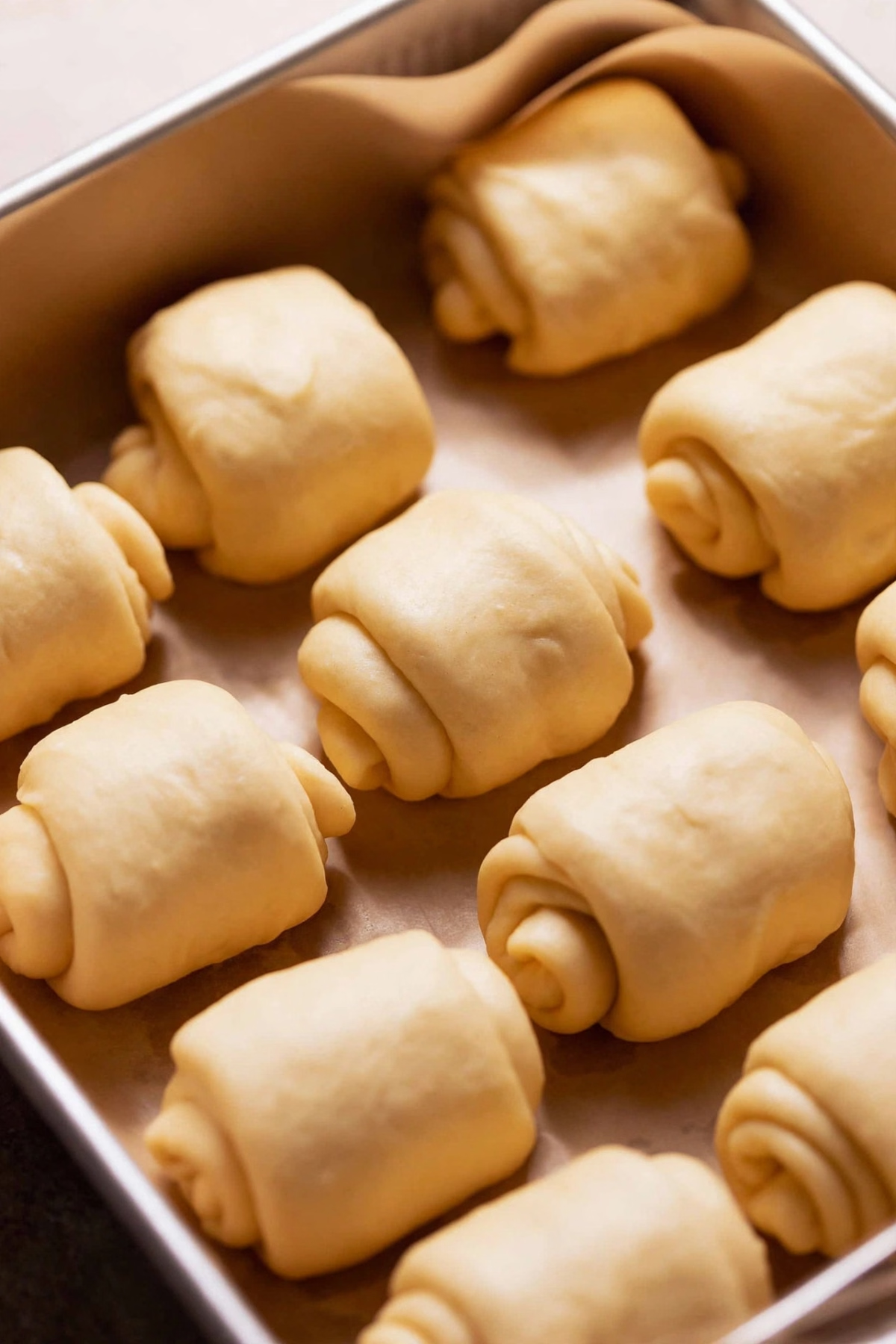
- Shape each roll. Form each piece into a rough ball. Roll it into a rough rectangle about 5 by 6 inches. Fold one long side toward the center, then fold the other long side over it. Roll the dough up from the short side into a log. Pinch the end to the rest of the log so it does not unroll. Place the shaped roll in the prepared pan and repeat with the remaining dough. Do not flour your work surface for this step.
- Proof the rolls. Cover the pan with plastic wrap and let the rolls rise until doubled, about 1 1/2 to 2 hours. They are ready when the dough feels light and airy under a gentle touch. While they proof, heat the oven to 350°F (180°C).
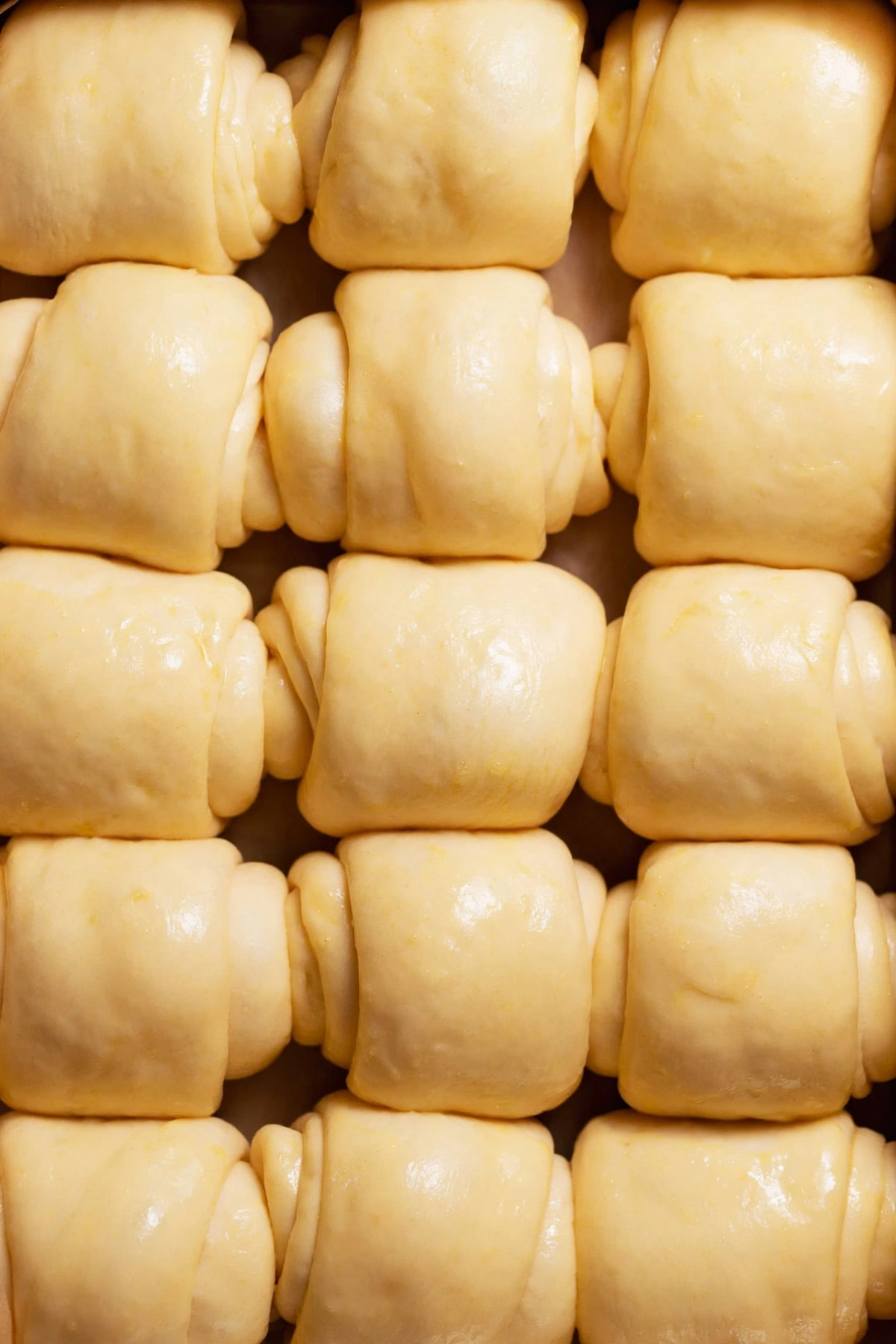
- Brush and bake. Brush the tops with the beaten egg. Bake for 30 to 40 minutes, until the tops are deeply golden brown. The recipe card lists 30 minutes, while the method says 30 to 40, so start checking at 30 minutes and rely on color and feel.
- Check for doneness. For an extra cue, insert a digital thermometer into the center of the middle roll. It should read at least 190°F.
- Finish and serve. Move the pan to a wire rack. Brush the warm tops with the melted butter and sprinkle with flaky sea salt if you like. Serve warm.
Do not tear the dough into portions. Cutting with a bench scraper or knife keeps the gluten strands intact, which helps the rolls rise with a soft, even crumb.
The rolling step is worth the extra minute. Folding and rolling gives each roll a more structured shape and encourages the soft, layered interior that sets these apart from a basic bread roll.
If you prefer a round shape, roll each piece on an unfloured surface with a claw hand into a tight ball, then pinch the bottom seam closed. Either shape works in the same pan.
The dough should feel soft, smooth, and slightly tacky after kneading. If it feels tight or dry, you may have added too much flour. If it feels wet and slack, give it a few more minutes of kneading before you decide to add flour.
Room temperature milk and eggs help the dough come together evenly, and they keep the yeast happy.
Proofing is about the dough, not the clock. The rolls should look puffed and feel light when you touch the side of one. If they still feel dense, give them more time. A warm kitchen speeds this up, and a cool kitchen slows it down.
What to look for
Good rolls have a few clear signs. The dough is soft and slightly tacky after kneading, not dry. The shaped rolls are doubled and light before baking.
The tops are deeply golden, and the center of the middle roll reads at least 190°F. If you pull them early, the crumb can feel gummy.
If the tops brown too fast, tent the pan loosely with foil and keep baking until the center is done.
These rolls are perfect alongside just about any dinner. They fit a holiday table with roast chicken, ham, or turkey, and they are just as welcome with a weeknight soup or stew.
The buttery tops and soft centers make them a natural for passing with extra butter. Caramelized onion focaccia is another bread often served with pasta or soup for dipping, and it is a good choice when you want a savory, shareable side.
If you want a simpler roll to start with, these homemade dinner rolls are a good next bake. For a savory twist, cheesy garlic dinner rolls are another option. Just keep in mind that these milk bread rolls take a little longer than garlic bread rolls because of the tangzhong and the rolling step.
Make ahead note
You can bake the rolls earlier in the day, cool them completely, and reheat them wrapped in foil at a low oven temperature. For the softest texture, serve them warm. The dough also has a long proof, so it fits a relaxed schedule.
Store cooled rolls in an airtight container at room temperature. The tangzhong helps them stay soft for days. Reheat gently, wrapped in foil, if you want that fresh from the oven feel.
Per serving, the recipe lists 306 calories, 46 grams of carbohydrates, 9 grams of protein, 9 grams of fat, 5 grams of saturated fat, 2 grams of fiber, 3 grams of sugar, 345 milligrams of sodium, and 52 milligrams of cholesterol. Nutrition values are estimates from the recipe.
FAQs
What is tangzhong and why is it used in soft milk bread dinner rolls?
Tangzhong is a cooked paste made from water and bread flour, heated and whisked for 2 to 3 minutes until it becomes a thick, paste-like slurry. Heating gelatinizes the starches so the dough holds more water, which gives these milk bread rolls their soft, pillowy crumb. It also helps the rolls stay soft longer than most dinner rolls.
How do you know when dinner rolls are done baking?
The rolls are done after baking for 30 to 40 minutes at 350°F, when the tops are deeply golden brown. For a more reliable check, insert a digital thermometer into the center of the middle roll, and it should read at least 190°F. The egg wash brushed on before baking helps create the glossy golden top.
How long do homemade dinner rolls stay soft and how should I store them?
Let the rolls cool completely, then keep them in an airtight container at room temperature for up to 5 days. Avoid the refrigerator for short storage because cold storage can make bread firm faster. For longer storage, wrap cooled rolls well and freeze them for up to 3 months, then thaw at room temperature and warm them in foil in a 350°F oven for 5 to 7 minutes.
Can you make dinner rolls ahead of time?
Yes, you can shape the rolls ahead and chill them overnight in the prepared 9×13 pan. Before baking, let them warm up and finish rising at room temperature until they have doubled in size and feel light and airy. This keeps the oven free until closer to serving time, then brush the tops with egg wash and bake them at 350°F for 30 to 40 minutes until deeply golden brown.
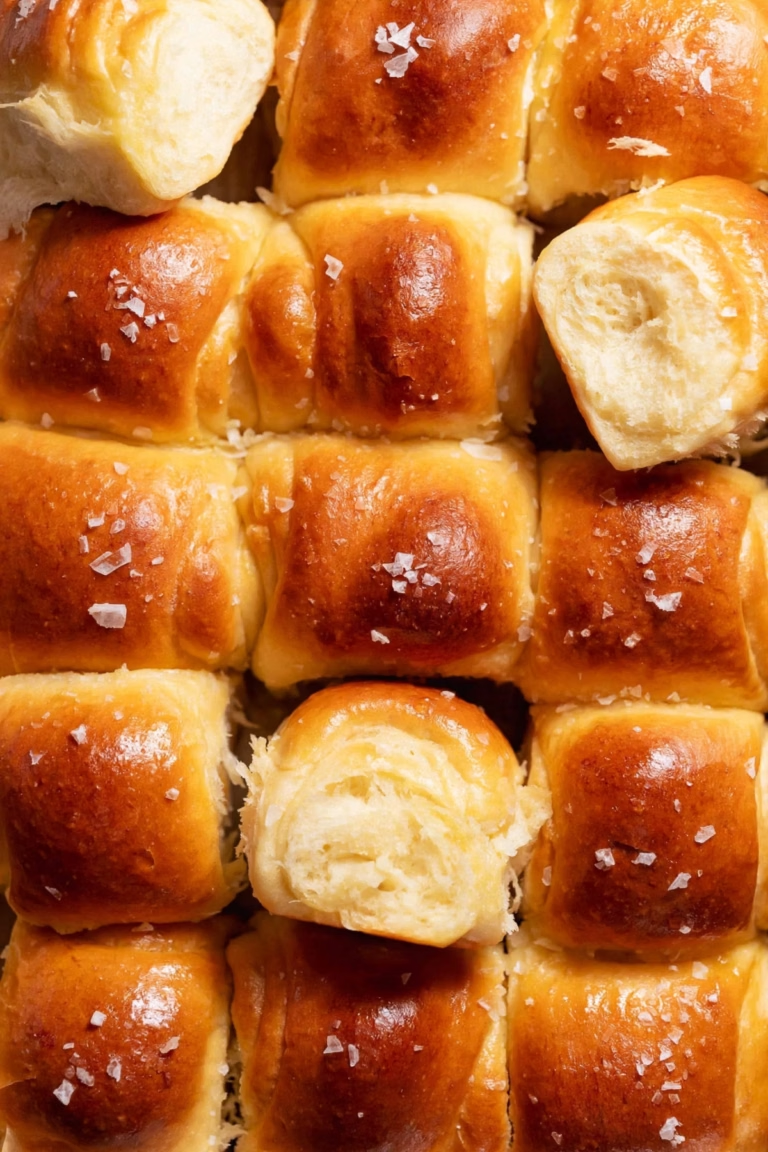
Milk Bread Dinner Rolls
Warm milk bread dinner rolls come out of the oven soft, pillowy, and golden, with a buttery finish. The tangzhong method is the secret to that tender crumb and to rolls that stay soft for days.
- Total Time: 180 min
- Yield: 15 servings 1x
Ingredients
For the Tangzhong
3/4 cup + 1 tablespoon water
1/3 cup bread flour
For the Yeast Dough
5 cups bread flour, See notes below for measuring
3 tablespoons granulated sugar
2 1/2 teaspoons instant yeast
1 3/4 teaspoons fine sea salt
3/4 cup whole milk, room temperature
2 large eggs, room temperature
Tangzhong, from above
9 tablespoons salted European butter, room temperature
1 large egg, whisked, for brushing
2 tablespoons salted European butter, melted, for after baking
Instructions
Instructions
1-Line a 9×13 baking pan with parchment: Line a 9×13 baking pan with parchment paper. Set aside.
2-In the small pot, whisk together the: In the small pot, whisk together the water and flour. Cook over medium heat, whisking constantly, for 2-3 minutes until the mixture is a paste-like slurry. Scrape it into a bowl and set it aside.
3-In a stand mixer bowl, mix the: In a stand mixer bowl, mix the flour, sugar, yeast, and salt. Add the milk, eggs, and tangzhong to the bowl. Knead on low speed with the dough hook for 2 minutes, until the dough forms a rough ball.
4-With the mixer running on low, add: With the mixer running on low, add the softened butter one tablespoon at a time, letting it fully incorporate before adding more. Then, continue kneading for an additional 12 minutes, until the dough appears smooth and elastic and feels tacky. If the dough is overly sticky, you may need to add an extra tablespoon of flour.
5-Portion the dough into 15 pieces, each: Portion the dough into 15 pieces, each ~83 grams. They are fine to leave on your counter, but I would loosely cover them with plastic wrap to prevent the dough from drying out while you are shaping them.
6-Shape each piece into a rough ball,: Shape each piece into a rough ball, then roll it into a ~5×6-inch rectangle. Fold one long side toward the center, then fold the other long side over it. Roll it up from the short end into a log, then pinch the seam to seal. Place it in the baking pan and repeat with the remaining dough. Do not use flour on your work surface.
7-If you prefer a more traditional round: If you prefer a more traditional round dinner roll: Use a claw hand to roll each piece on an unfloured surface into a tight, taught ball, then pinch the bottom seam to seal it together. Place into the prepared baking pan.
8-Cover the pan with plastic wrap and: Cover the pan with plastic wrap and set aside to double in size, about 1.5-2 hours. You will know they are ready when you gently touch the sides of the rolls, and the dough feels light and airy. Meanwhile, preheat the oven to 350°F (180°C).
9-Before baking, brush the tops of the: Before baking, brush the tops of the rolls with the beaten egg.
10-Bake for 30-40 minutes, or until the: Bake for 30-40 minutes, or until the tops are deeply golden brown.
11-Once baked, remove the pan from the: Once baked, remove the pan from the oven and place it on a wire rack. Immediately brush the tops with melted butter and sprinkle with flaky sea salt if desired. Serve warm and enjoy!
Last Step:
Please leave a rating and comment letting us know how you liked this recipe! This helps our business to thrive and continue providing free, high-quality recipes for you.- Prep Time: 150 min
- Cook Time: 30 min
- Method: bake
Nutrition
- Serving Size: 1 serving
- Calories: 306 kcal
- Sugar: 3 g
- Sodium: 345 mg
- Fat: 9 g
- Saturated Fat: 5 g
- Carbohydrates: 46 g
- Fiber: 2 g
- Protein: 9 g
- Cholesterol: 52 mg