

Why You’ll Love This Vanilla Cheesecake
This vanilla cheesecake recipe offers a simple way to create a dessert that’s both delicious and easy for anyone in the kitchen. You’ll enjoy how it combines just the right ingredients to deliver a smooth, creamy texture that melts in your mouth with every bite. Whether you’re new to baking or have plenty of experience, this treat brings a classic flavor that’s hard to beat and makes for a great addition to any meal.
One reason this vanilla cheesecake stands out is its ease of preparation, using straightforward steps and everyday items that fit right into your routine. It also provides some health benefits from wholesome elements like cream cheese, which adds protein and calcium. Plus, its versatility lets you tweak it for different diets while keeping that distinctive vanilla taste that’s so satisfying.
Here are the key highlights that make this a go-to choice:
- It uses basic ingredients that are simple to find at any store.
- You can adjust it for options like vegan or gluten-free without losing the creamy goodness.
- The flavors blend perfectly, creating a dessert that feels special yet familiar.
The best part is how it appeals to a wide range of people, from busy parents looking for quick desserts to baking enthusiasts who love experimenting. If you’re eager to try more desserts like this, check out our guide on simple baking tricks for even more ideas.
Jump To
- 1. Why You’ll Love This Vanilla Cheesecake
- 2. Essential Ingredients for Vanilla Cheesecake
- 3. How to Prepare the Perfect Vanilla Cheesecake: Step-by-Step Guide
- 4. Dietary Substitutions to Customize Your Vanilla Cheesecake
- 5. Mastering Vanilla Cheesecake: Advanced Tips and Variations
- 6. How to Store Vanilla Cheesecake: Best Practices
- 7. FAQs: Frequently Asked Questions About Vanilla Cheesecake
- 8. Vanilla Cheesecake
Essential Ingredients for Vanilla Cheesecake
Getting the ingredients right is key to a perfect vanilla cheesecake, and this section breaks it all down in a clear list. We’ll cover everything you need for the crust and filling, including adjustments for different pan sizes. Remember, every ingredient plays a role in achieving that smooth and creamy texture we’re aiming for.
Based on the detailed recipe, here’s a complete list of ingredients, formatted for easy reference. For the graham cracker crust, you’ll need:
- 1 1/4 cups graham cracker crumbs
- 2 tablespoons packed light brown sugar
- 4 tablespoons melted unsalted butter
For the vanilla cheesecake filling in an 8-inch pan:
- 2 blocks (500g) cream cheese at room temperature
- 3/4 cup granulated sugar
- 2 tablespoons warm water (or 1 tablespoon water plus 1 tablespoon lemon juice)
- 1/3 cup plus 1 tablespoon full-fat sour cream at room temperature
- 1 1/2 teaspoons vanilla extract
- 1 teaspoon vanilla bean paste (optional)
- 2 large eggs at room temperature
For a 9-inch pan, increase the amounts as follows:
- 3 blocks (750g) cream cheese at room temperature
- 1 cup plus 2 tablespoons granulated sugar
- 3 tablespoons warm water (or 1 tablespoon water plus 2 tablespoons lemon juice)
- 2/3 cup full-fat sour cream at room temperature
- 2 teaspoons vanilla extract
- 1 1/2 teaspoons vanilla bean paste (optional)
- 3 large eggs at room temperature
This ensures you have exactly what’s needed for a creamy vanilla cheesecake. To dive deeper, you might find our section on how to prepare the perfect vanilla cheesecake helpful for understanding how these ingredients work together.
How to Prepare the Perfect Vanilla Cheesecake: Step-by-Step Guide
Making a great vanilla cheesecake starts with clear steps that anyone can follow, from preheating the oven to the final cooling process. Follow along to create a dessert that’s smooth and full of flavor. Start by setting up your kitchen for success.
Getting Started
Preheat your oven to 160°C (320°F) and prepare a 9-inch springform pan by greasing it and lining the base with parchment paper. This helps the cheesecake release easily and keeps everything in place. If you’re adapting for dietary needs, choose ingredients that fit your preferences.
Making the Crust
Crush the graham cracker crumbs and mix them with the brown sugar and melted butter until well combined. Press this mixture firmly into the bottom of the pan to form an even base. This step creates that buttery foundation that complements the creamy filling.
In a large mixing bowl, beat the cream cheese until it’s smooth and creamy. Gradually add the sugar and keep mixing until everything blends perfectly. This builds the base for the filling and ensures a consistent texture.
Mixing and Baking
Add the eggs one at a time, blending after each until fully incorporated, then stir in the vanilla extract and any other flavors. For vegan versions, swap eggs with aquafaba or flax eggs to keep things simple. Pour the mixture over the crust and smooth the top with a spatula.
Place the pan in a larger baking dish and add hot water halfway up the sides for a water bath. Bake for 50-60 minutes until the center is almost set but still a bit jiggly. To adapt for different diets, adjust baking time as needed to maintain that perfect consistency.
Finishing Up
Turn off the oven and let the cheesecake cool inside with the door slightly open for about an hour. Then, refrigerate it for at least 4 hours to set fully. This gradual cooling helps avoid cracks and ensures a smooth finish.

Dietary Substitutions to Customize Your Vanilla Cheesecake
Vanilla cheesecake can be adapted to fit various diets, making it a flexible choice for everyone. Let’s explore some easy swaps that keep the taste and texture intact. You can make changes to the main ingredients or add fun flavors without much effort.
For protein and main components, consider these options:
- Swap cream cheese with cashew-based cream cheese or silken tofu for a vegan twist.
- Use aquafaba or flaxseed meal mixed with water instead of eggs for egg-free versions.
When it comes to vegetables, sauces, and seasonings, try these:
- Add fresh berries or fruit compotes to bring in natural sweetness.
- Mix in cinnamon or nutmeg for a warm, spicy note.
- Opt for dairy-free vanilla extracts or almond extracts to enhance the flavor while staying diet-friendly.
These adjustments let you enjoy vanilla cheesecake in new ways, perfect for sharing with friends and family.
Mastering Vanilla Cheesecake: Advanced Tips and Variations
Taking your vanilla cheesecake to the next level involves some handy techniques and creative ideas. Use a water bath while baking to keep the texture smooth and prevent any cracks from forming. Always cool the cheesecake slowly to maintain its creamy consistency.
Flavor and Presentation Ideas
Experiment with flavors by adding citrus zest or coffee swirls to the batter for a unique touch. For presentation, top it with fresh fruit or a drizzle of sauce to make it look as good as it tastes. These tips can turn a simple dessert into something special.
If you’re planning ahead, prepare the cheesecake a day early to let the flavors develop fully. This is ideal for gatherings or when you need an easy make-ahead option. Remember, small changes can make a big difference in your results.
How to Store Vanilla Cheesecake: Best Practices
Proper storage keeps your vanilla cheesecake fresh and tasty for longer. Store it in the refrigerator in an airtight container to maintain its quality for up to 5 days. Freezing is another good option if you want to keep it even longer.
Wrap the cheesecake tightly before freezing, and it can last up to a month. When you’re ready to eat it, thaw it overnight in the fridge. For reheating, if you prefer it warm, use a microwave for just a few seconds to keep the texture right.
Think about meal prep too portion it out before freezing to make serving easier. These steps help you enjoy your dessert without any hassle.
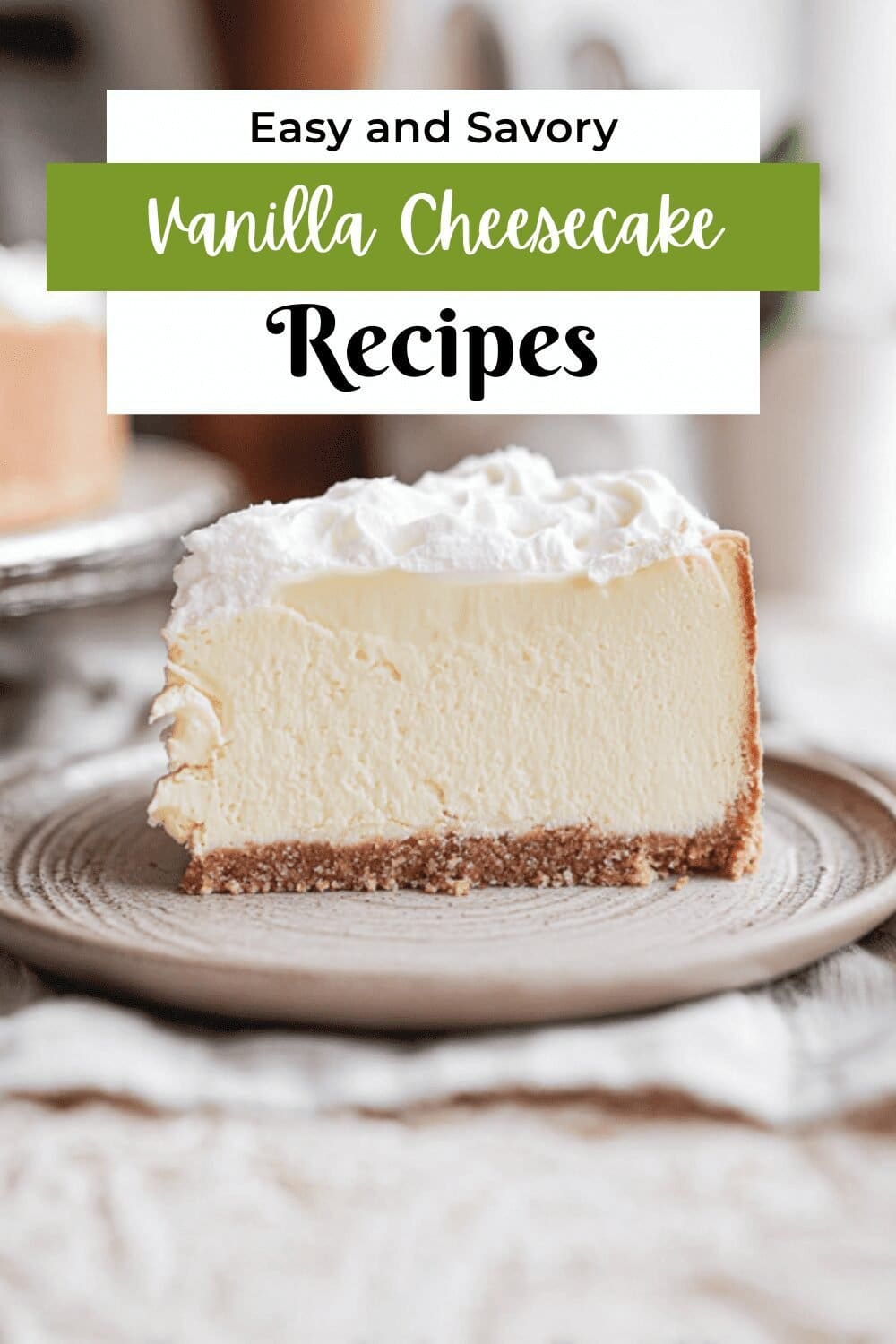
FAQs: Frequently Asked Questions About Vanilla Cheesecake
How do I get clean, even slices when cutting vanilla cheesecake?
To cut clean slices, chill the cheesecake in the refrigerator for at least 4 hours to firm it up. Use a sharp knife heated under hot water and wiped dry before slicing. Slice the cheesecake in one smooth motion and wipe the knife clean and reheat it between cuts to maintain neat edges.
Is it necessary to bake vanilla cheesecake using a water bath?
Baking with a water bath helps keep the cheesecake moist and prevents cracking by creating a humid oven environment. However, some recipes include ingredients that reduce drying, which can allow baking without a water bath. If you skip the bath, watch for signs like puffed edges and a slightly wobbly center to avoid overbaking.
How can I tell when my vanilla cheesecake is perfectly baked?
The cheesecake is done when the edges are set and slightly golden, and the center has a gentle wobble when nudged. This slight jiggle means it’s cooked through but still creamy. Avoid overbaking, as residual heat will continue to firm the cheesecake during cooling. Let it cool fully before refrigerating.
What can I use instead of sour cream in a vanilla cheesecake recipe?
Full-fat Greek yogurt is a great substitute for sour cream in cheesecake recipes, providing similar creaminess and tang. Another option is crème fraîche, which has a slightly milder tang and smooth texture. Use equal amounts as the recipe calls for sour cream.
How should I store leftover vanilla cheesecake to keep it fresh?
Store vanilla cheesecake in the refrigerator inside an airtight container or tightly wrapped with plastic wrap. This prevents it from drying out and absorbing other odors. Properly stored, cheesecake will stay fresh for up to 5 days. For longer storage, you can freeze cheesecake slices wrapped in foil and plastic wrap.

Vanilla Cheesecake
🍰 Enjoy a classic dessert that delivers a smooth, creamy texture with rich vanilla flavor that satisfies any sweet tooth.
🥧 The buttery graham cracker crust perfectly complements the velvety cheesecake filling for an irresistible combination.
- Total Time: 6 hours 20 minutes
- Yield: 8 servings
Ingredients
– 1 1/4 cups graham cracker crumbs
– 2 tablespoons packed light brown sugar
– 4 tablespoons melted unsalted butter
– 2 blocks (500g) cream cheese at room temperature
– 3/4 cup granulated sugar
– 2 tablespoons warm water (or 1 tablespoon water plus 1 tablespoon lemon juice)
– 1/3 cup plus 1 tablespoon full-fat sour cream at room temperature
– 1 1/2 teaspoons vanilla extract
– 1 teaspoon vanilla bean paste (optional)
– 2 large eggs at room temperature
– 3 blocks (750g) cream cheese at room temperature
– 1 cup plus 2 tablespoons granulated sugar
– 3 tablespoons warm water (or 1 tablespoon water plus 2 tablespoons lemon juice)
– 2/3 cup full-fat sour cream at room temperature
– 2 teaspoons vanilla extract
– 1 1/2 teaspoons vanilla bean paste (optional)
– 3 large eggs at room temperature
Instructions
1-Getting Started: Preheat your oven to 160°C (320°F) and prepare a 9-inch springform pan by greasing it and lining the base with parchment paper. This helps the cheesecake release easily and keeps everything in place. If you’re adapting for dietary needs, choose ingredients that fit your preferences.
2-Making the Crust: Crush the graham cracker crumbs and mix them with the brown sugar and melted butter until well combined. Press this mixture firmly into the bottom of the pan to form an even base. This step creates that buttery foundation that complements the creamy filling.
3-Making the Crust: In a large mixing bowl, beat the cream cheese until it’s smooth and creamy. Gradually add the sugar and keep mixing until everything blends perfectly. This builds the base for the filling and ensures a consistent texture.
4-Mixing and Baking: Add the eggs one at a time, blending after each until fully incorporated, then stir in the vanilla extract and any other flavors. For vegan versions, swap eggs with aquafaba or flax eggs to keep things simple. Pour the mixture over the crust and smooth the top with a spatula.
5-Mixing and Baking: Place the pan in a larger baking dish and add hot water halfway up the sides for a water bath. Bake for 50-60 minutes until the center is almost set but still a bit jiggly. To adapt for different diets, adjust baking time as needed to maintain that perfect consistency.
6-Finishing Up: Turn off the oven and let the cheesecake cool inside with the door slightly open for about an hour. Then, refrigerate it for at least 4 hours to set fully. This gradual cooling helps avoid cracks and ensures a smooth finish.
Last Step:
Please leave a rating and comment letting us know how you liked this recipe! This helps our business to thrive and continue providing free, high-quality recipes for you.Notes
⏱️ Use room temperature ingredients for a smooth, lump-free batter.
🥧 Press crust firmly and evenly to avoid cracking.
🧊 Allow cheesecake to cool gradually in the oven and then fully chill to prevent cracks and maintain creaminess.
- Prep Time: 20 minutes
- Cooling and chilling time: 5 hours
- Cook Time: 1 hour
- Category: Dessert
- Method: Baking
- Cuisine: American
- Diet: Vegetarian
Nutrition
- Serving Size: 1 slice
- Calories: 350 kcal (approximate)
- Sugar: 28 g
- Sodium: 180 mg
- Fat: 27 g
- Saturated Fat: 17 g
- Unsaturated Fat: 7 g
- Trans Fat: 0 g
- Carbohydrates: 22 g
- Fiber: 0 g
- Protein: 6 g
- Cholesterol: 110 mg


