

Why You’ll Love These Sugar Cookies
These Sugar Cookies are the kind of easy baking project that fits into almost any day. They come together fast, bake in just 10 to 12 minutes, and give you soft centers with lightly crisp edges that taste like a bakery treat made at home. If you want a recipe that works for after-school baking, weekend meal prep, or a quick dessert for guests, this one checks all the boxes.
- Easy to make: The dough comes together in one bowl for the wet ingredients and one bowl for the dry ingredients, so cleanup stays simple. With just 15 minutes of prep and 25 minutes total time, you can have fresh cookies on the table fast.
- Great for family baking: The process is simple enough for kids or beginner bakers to help with, especially when it is time to roll the dough balls in sugar.
- Soft and chewy texture: The extra egg yolk, cool room temperature butter, and careful baking time all work together to keep these cookies moist and tender.
- Easy to customize: You can add almond extract, sprinkles, colored sugar, or even serve them plain for a classic treat that suits different tastes.
Tip: If you love cookies that stay soft for days, this chewy sugar cookie method is a great one to keep in your recipe box.
For more simple baking ideas, you may also like Homemade Tasty recipe ideas when you are planning your next sweet treat.
Jump To
- 1. Why You’ll Love These Sugar Cookies
- 2. Essential Ingredients for Sugar Cookies
- 3. How to Prepare the Perfect Sugar Cookies: Step-by-Step Guide
- 4. Dietary Substitutions to Customize Your Sugar Cookies
- 5. Mastering Sugar Cookies: Advanced Tips and Variations
- 6. How to Store Sugar Cookies: Best Practices
- 7. FAQs: Frequently Asked Questions About Sugar Cookies
- 8. Sugar Cookies
Essential Ingredients for Sugar Cookies
These cookies use pantry staples, which is one reason they are so dependable. Every ingredient plays a clear role in getting that soft texture and classic flavor.
Main Ingredients
- 2 1/2 cups all-purpose flour – Gives the cookies structure without making them too heavy.
- 2 teaspoons baking powder – Helps the cookies rise a little and keeps the texture light.
- 3/4 teaspoon fine sea salt – Balances the sweetness and brings out the buttery flavor.
- 2 sticks unsalted butter, cool room temperature, about 67 degrees F – Adds richness and helps the cookies stay soft without spreading too much.
- 1 1/4 cups granulated sugar – Sweetens the dough and helps create a tender crumb.
- 1/4 cup granulated sugar for rolling – Gives the outside a sparkly, lightly crisp coating.
- 1 large egg – Helps bind the dough and adds moisture.
- 1 egg yolk – Adds extra richness and chewiness.
- 1 teaspoon vanilla extract – Brings warm flavor that makes the cookies taste classic and comforting.
Special Dietary Options
- Vegan: Use plant-based butter, a flax egg, and a dairy-free vanilla extract. The texture will be a little different, but the cookies can still turn out soft.
- Gluten-free: Swap the all-purpose flour for a good 1:1 gluten-free baking blend that includes xanthan gum.
- Low-calorie: Reduce the sugar coating, make slightly smaller cookies, and serve with fruit for a lighter dessert plate.
If you want to learn more about vanilla and why it adds so much flavor, this guide to vanilla extract benefits is a helpful read.
How to Prepare the Perfect Sugar Cookies: Step-by-Step Guide
These Sugar Cookies are straightforward, but a few small details make a big difference. Follow the steps below for soft centers, chewy edges, and cookies that bake up evenly.
First Step: Get the oven and pans ready
Preheat your oven to 350 degrees F. Line baking sheets with parchment paper so the cookies bake evenly and release easily after baking. Parchment also helps prevent the bottoms from getting too dark. Avoid using nonstick cooking spray, since it can cause extra spreading and browning.
Second Step: Mix the dry ingredients
In a medium bowl, whisk together the 2 1/2 cups all-purpose flour, 2 teaspoons baking powder, and 3/4 teaspoon fine sea salt. Whisking helps spread the leavening and salt evenly through the flour, which leads to a better texture in the finished cookies.
Third Step: Cream the butter and sugar
In a separate large bowl, beat the 2 sticks of cool room temperature unsalted butter with 1 1/4 cups granulated sugar. Mix until the mixture looks light and fluffy. This usually takes a few minutes, and it helps trap air for a softer cookie. The butter should be around 67 degrees F, not melted or greasy.
Fourth Step: Add the egg, yolk, and vanilla
Beat in 1 large egg, 1 egg yolk, and 1 teaspoon vanilla extract until the mixture is combined. The extra egg yolk is important because it adds moisture and chewiness. Vanilla gives the dough that familiar homemade cookie flavor.
Fifth Step: Add the flour mixture slowly
With the mixer on low speed, slowly beat in the dry ingredients until just incorporated. Stop mixing as soon as the flour disappears. If you mix too much, the cookies can become dense instead of soft.
Sixth Step: Portion and coat the dough
Divide the dough into balls, using a cookie scoop if you want them all the same size. Roll each ball in the remaining 1/4 cup sugar to coat. This gives the cookies a sweet, sparkling outside and a little extra texture.
Seventh Step: Arrange and flatten
Place the dough balls on the prepared baking sheets, leaving about 2 inches between each one. Flatten them slightly with your hand or the bottom of a glass. A little flattening helps them bake into classic drop-style cookies.
Eighth Step: Bake until just set
Bake for 10 to 12 minutes, or until the edges are just beginning to brown and the centers still look slightly wet. This part matters most if you want chewy cookies. Pull them out before they look fully done, because they will continue to set on the baking sheet.
Ninth Step: Cool properly
Let the cookies sit on the baking sheet for a few minutes, then move them to a wire rack to finish cooling. Cooling on a rack helps keep the bottoms from steaming and getting soft in the wrong way. Once cool, the cookies are ready to serve.
Best texture tip: If you want thicker, chewier cookies, chill the dough balls for 24 to 72 hours before rolling them in sugar and baking.
| Recipe Detail | Amount |
|---|---|
| Prep time | 15 minutes |
| Cook time | 10 minutes |
| Total time | 25 minutes |
| Yield | 16 large cookies |
| Baking temperature | 350 degrees F |

Dietary Substitutions to Customize Your Sugar Cookies
Protein and Main Component Alternatives
Even though this recipe is built around butter and eggs, you can still make a few smart swaps when needed. If you are baking for someone who avoids dairy, use plant-based butter that behaves like regular butter during creaming. For egg-free baking, a flax egg can work in a pinch, though the cookies may be a little less chewy.
If you need a gluten-free version, choose a 1:1 gluten-free flour blend made for baking. Since sugar cookies depend on flour for shape and tenderness, the right blend matters a lot. If your blend is a little dry, add a teaspoon of milk or plant milk only if the dough seems crumbly.
Vegetable, Sauce, and Seasoning Modifications
While sugar cookies do not call for vegetables or sauces, the flavor add-ins can change the mood of the recipe. Try almond extract for a nutty note, citrus zest for brightness, or a pinch of cinnamon for a warmer flavor. These small changes keep the base recipe familiar while giving it a new personality.
You can also swap the sugar coating for colored sugar, sanding sugar, or festive sprinkles. That makes the cookies feel more special for holidays, birthdays, or school events.
Mastering Sugar Cookies: Advanced Tips and Variations
Once you have the base recipe down, a few little tricks can help you get even better results. These cookies are simple, but the details matter when you want that soft, chewy bite every time.
Pro cooking techniques
- Use cool room temperature butter: Butter around 67 degrees F helps the cookies hold their shape and keeps them from spreading too much.
- Do not overmix: Stop mixing as soon as the flour disappears. Overmixing can make the cookies tough.
- Chill for thicker cookies: Rest the dough balls in the fridge for 24 to 72 hours before baking if you want a denser, chewier texture.
- Watch the bake time carefully: The centers should still look a little soft when you pull them out. That is the secret to keeping them chewy.
Flavor variations
Classic vanilla is always a winner, but it is easy to add your own twist. Try 1/2 to 1 teaspoon almond extract for a bakery-style flavor. You can also fold in sprinkles, mini chocolate chips, or a little lemon zest for a fresh lift.
If you are making cookies for a holiday tray, roll the dough in colored sugar before baking. For a richer finish, drizzle cooled cookies with melted chocolate or pipe on a little buttercream.
Presentation tips
For a simple, pretty look, stack the cookies on a plate with a few extra sugar crystals sprinkled around the edges. If serving guests, line a platter with parchment and arrange the cookies in neat rows. A clean, classic presentation works well because the cookies already have a lovely sparkle from the sugar coating.
Make-ahead options
This dough is great for planning ahead. Mix the dough, portion it into balls, and chill it for up to 72 hours before baking. You can also freeze the dough balls and bake them later when you need a fresh batch. That makes this recipe handy for busy weeks, school lunches, or holiday prep.
If you enjoy baking ahead, you may also want to browse more homemade dessert recipes for simple treats you can keep on hand.
How to Store Sugar Cookies: Best Practices
Refrigeration
Once the cookies are cool, store them in an airtight container at room temperature for the best texture. If you need to keep them a little longer in a cool place, refrigeration can work, but it may dry them out a bit faster. Let chilled cookies come back to room temperature before serving.
Freezing
For longer storage, freeze baked cookies in a sealed freezer-safe container with parchment between layers. You can also freeze the dough balls after shaping. When you are ready to bake, roll them in sugar if needed and bake straight from the freezer, adding a minute or two if necessary.
Reheating
If the cookies have lost a little softness, warm them for a few seconds in the microwave. Do this carefully so they stay tender instead of turning dry. A low oven for a few minutes also works well if you want to refresh a whole batch.
Meal prep considerations
For batch baking, store the cookies with a tortilla, apple wedge, or slice of bread in the container to help keep them soft. This simple trick works well for a day or two and is especially handy when you are packing treats for lunches, events, or road trips.
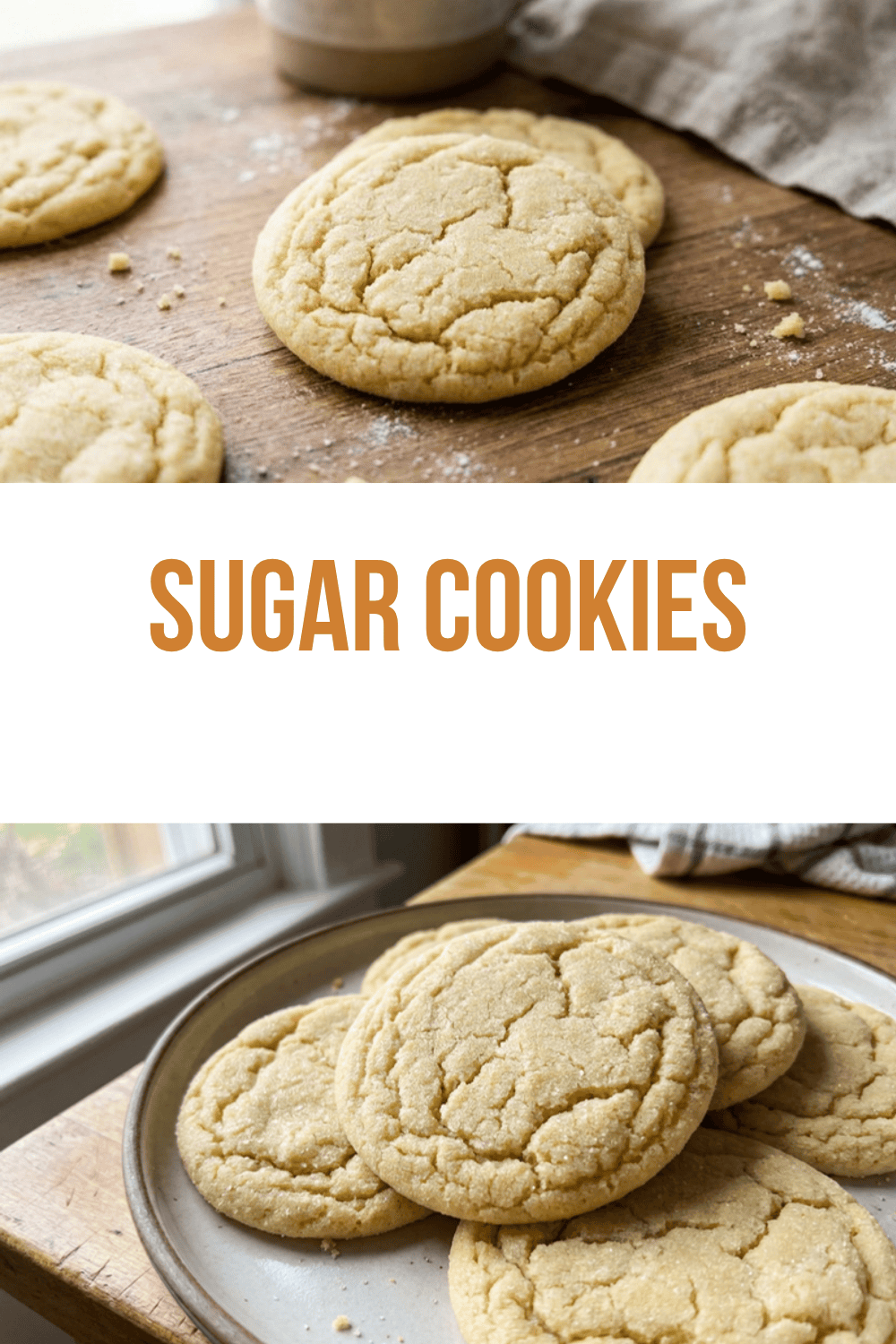
FAQs: Frequently Asked Questions About Sugar Cookies
Can I use a hand mixer to make sugar cookie dough?
Yes, a hand mixer works perfectly for sugar cookie dough, just like a stand mixer. Start by creaming the butter and sugar on medium speed for 2-3 minutes until light and fluffy. Add eggs and vanilla, beating until combined. In a separate bowl, whisk flour, baking powder, and salt, then gradually mix into the wet ingredients on low speed to avoid flour clouds. Scrape the bowl often for even mixing. This method takes about 5-7 minutes total and yields soft, chewy cookies. Hand mixers are great for smaller batches or if you lack a stand mixer. Chill the dough 30 minutes before scooping and baking at 350°F for 10-12 minutes. Yields 36 cookies. Pro tip: Use room-temperature butter for best results—no stand mixer needed!
Can I make cut-out sugar cookies with a drop cookie recipe?
No, this drop-style sugar cookie recipe isn’t ideal for cut-out shapes, as the dough is softer and spreads during baking. For crisp cut-outs, use a dedicated recipe with more flour and chilling time. However, if you’re in a pinch, chill this dough 1-2 hours firmly, roll to 1/4-inch thick between parchment sheets, and cut shapes quickly before it warms. Bake at 350°F for 8-10 minutes. Check my cut-out sugar cookie recipe for perfect holiday shapes—it holds edges better. Drop cookies bake faster (10-12 minutes) and stay chewy. Both versions store 5-7 days in airtight containers. This tweak addresses common mix-ups for versatile baking.
Can I add almond extract to sugar cookies or use salted butter?
Yes to both! Add 1/2-1 teaspoon almond extract with the vanilla for a nutty twist—stir it into wet ingredients for even flavor in every bite. For salted butter, reduce salt to 1/2 teaspoon or omit it entirely to balance taste. Cream butter and sugar as usual, then proceed. These swaps keep cookies soft and golden. Almond extract pairs well with sprinkles or colored sugar toppings. Test a small batch first. Cookies bake at 350°F for 10-12 minutes on parchment-lined sheets. Store up to a week at room temp or freeze dough balls for 3 months—thaw and bake fresh. Popular for holidays; 80% of bakers tweak flavors like this per baking surveys.
How do you decorate simple drop sugar cookies?
Drop sugar cookies shine plain, but easy decorations elevate them. Roll dough balls in colored sugar before baking for sparkle—no extra steps. Mix in 1/4-1/2 cup sprinkles or chocolate chips at the end of mixing. Post-bake, drizzle royal icing, dip in melted chocolate, or add buttercream swirls once cooled. Avoid over-decorating to preserve chewiness. Bake at 350°F for 10-12 minutes on parchment. For pro tips, see my royal icing recipe or chocolate drizzle guide. These hold up 5-7 days stored airtight. Great for parties—kids love the crunch from sugar coatings. Quick 5-minute prep makes them family favorites.
Should I use parchment paper or silicone mats for sugar cookies?
Use parchment paper for sugar cookies—it’s quicker to clean and prevents over-browning better than silicone mats. Line baking sheets, portion dough with a 2-tablespoon scoop, space 2 inches apart, and bake at 350°F for 10-12 minutes until edges are golden. Never spray nonstick—causes excess spread and dark bottoms. Parchment yields even baking and easy transfer. Reuse sheets up to 3 times per batch. Silicone works but retains heat unevenly. Cookies cool 5 minutes on sheets, then wire rack. Store in tins for 1 week. This method ensures uniform, non-stick results every time, cutting cleanup by half compared to greasing.

Sugar Cookies
🍪 Savor ultra-soft, chewy sugar cookies with golden edges and buttery richness—family favorite that stays tender for days.
🥄 25-minute effortless bake with extra egg yolk for superior chew; perfect for holidays, parties, or sweet tooth fixes.
- Total Time: 25 minutes
- Yield: 16 cookies
Ingredients
– 2 1/2 cups all-purpose flour for structure
– 2 teaspoons baking powder for rising
– 3/4 teaspoon fine sea salt for balancing sweetness
– 2 sticks unsalted butter, cool room temperature, about 67 degrees F for richness
– 1 1/4 cups granulated sugar for sweetening
– 1/4 cup granulated sugar for rolling
– 1 large egg for binding
– 1 egg yolk for richness
– 1 teaspoon vanilla extract for flavor
Instructions
1-First Step: Get the oven and pans ready Preheat your oven to 350 degrees F. Line baking sheets with parchment paper so the cookies bake evenly and release easily after baking. Parchment also helps prevent the bottoms from getting too dark. Avoid using nonstick cooking spray, since it can cause extra spreading and browning.
2-Second Step: Mix the dry ingredients In a medium bowl, whisk together the 2 1/2 cups all-purpose flour, 2 teaspoons baking powder, and 3/4 teaspoon fine sea salt. Whisking helps spread the leavening and salt evenly through the flour, which leads to a better texture in the finished cookies.
3-Third Step: Cream the butter and sugar In a separate large bowl, beat the 2 sticks of cool room temperature unsalted butter with 1 1/4 cups granulated sugar. Mix until the mixture looks light and fluffy. This usually takes a few minutes, and it helps trap air for a softer cookie. The butter should be around 67 degrees F, not melted or greasy.
4-Fourth Step: Add the egg, yolk, and vanilla Beat in 1 large egg, 1 egg yolk, and 1 teaspoon vanilla extract until the mixture is combined. The extra egg yolk is important because it adds moisture and chewiness. Vanilla gives the dough that familiar homemade cookie flavor.
5-Fifth Step: Add the flour mixture slowly With the mixer on low speed, slowly beat in the dry ingredients until just incorporated. Stop mixing as soon as the flour disappears. If you mix too much, the cookies can become dense instead of soft.
6-Sixth Step: Portion and coat the dough Divide the dough into balls, using a cookie scoop if you want them all the same size. Roll each ball in the remaining 1/4 cup sugar to coat. This gives the cookies a sweet, sparkling outside and a little extra texture.
7-Seventh Step: Arrange and flatten Place the dough balls on the prepared baking sheets, leaving about 2 inches between each one. Flatten them slightly with your hand or the bottom of a glass. A little flattening helps them bake into classic drop-style cookies.
8-Eighth Step: Bake until just set Bake for 10 to 12 minutes, or until the edges are just beginning to brown and the centers still look slightly wet. This part matters most if you want chewy cookies. Pull them out before they look fully done, because they will continue to set on the baking sheet.
9-Ninth Step: Cool properly Let the cookies sit on the baking sheet for a few minutes, then move them to a wire rack to finish cooling. Cooling on a rack helps keep the bottoms from steaming and getting soft in the wrong way. Once cool, the cookies are ready to serve.
Last Step:
Please leave a rating and comment letting us know how you liked this recipe! This helps our business to thrive and continue providing free, high-quality recipes for you.Notes
🧈 Cool butter at 67°F prevents cookies from spreading too thin—warm butter leads to flat cookies.
🥚 Extra egg yolk adds fat for moisture and chewiness without altering flavor.
❄️ Chill dough balls 24-72 hours before baking for thicker, chewier results with deeper flavor.
- Prep Time: 15 minutes
- Cook Time: 10-12 minutes
- Category: Desserts
- Method: Baked
- Cuisine: American
- Diet: Vegetarian
Nutrition
- Serving Size: 1 cookie
- Calories: 220 kcal
- Sugar: 18g
- Sodium: 150mg
- Fat: 12g
- Saturated Fat: 7g
- Unsaturated Fat: 4g
- Trans Fat: 0g
- Carbohydrates: 25g
- Fiber: 0.5g
- Protein: 2g
- Cholesterol: 50mg


