

Why You’ll Love This Stuffed Pasta Shells
Stuffed pasta shells offer a perfect balance of convenience and comfort that makes them an ideal choice for busy weeknights or special occasions. These cheesy stuffed shells bring the warmth of Italian cuisine to your table without requiring hours in the kitchen. Whether you’re an experienced cook or just starting your culinary journey, this easy stuffed shells recipe delivers impressive results with minimal effort.
Ease of preparation: Unlike many Italian dishes that require extensive prep time, these pasta shells come together quickly. The process is straightforward and forgiving, making it perfect for beginners or those with limited cooking time. With just a few simple steps, you can create a restaurant-quality meal that your family will love.
Health benefits: When prepared with quality ingredients, stuffed pasta shells can be a nutritious addition to your meal rotation. The ricotta cheese provides protein and calcium, while the tomatoes in the sauce offer lycopene, a powerful antioxidant. By adding vegetables to the filling or sauce, you can boost the fiber content and create a more balanced meal that satisfies hunger while providing essential nutrients.
Versatility: One of the greatest strengths of Italian stuffed shells is their adaptability to various dietary needs and preferences. Whether you need to accommodate vegetarians, gluten-free eaters, or those watching their calorie intake, this recipe can be easily modified without sacrificing flavor. The basic structure remains the same while allowing for creative variations based on what’s in your pantry or what your family enjoys.
Distinctive flavor: What sets this classic Italian stuffed shells recipe apart is the perfect harmony of flavors and textures. The combination of creamy ricotta filling, tangy marinara sauce, and melted mozzarella creates a symphony of tastes that satisfies both sophisticated palates and picky eaters alike. The herbs and seasonings add depth without overwhelming the natural flavors of the ingredients, resulting in a dish that feels both familiar and special.
Jump To
- 1. Why You’ll Love This Stuffed Pasta Shells
- 2. Essential Ingredients for Stuffed Pasta Shells
- 3. How to Prepare the Perfect Stuffed Pasta Shells: Step-by-Step Guide
- 4. Dietary Substitutions to Customize Your Stuffed Pasta Shells
- 5. Mastering Stuffed Pasta Shells: Advanced Tips and Variations
- 6. How to Store Stuffed Pasta Shells: Best Practices
- 7. FAQs: Frequently Asked Questions About Stuffed Pasta Shells
- 8. Stuffed Pasta Shells
Essential Ingredients for Stuffed Pasta Shells
Creating the perfect stuffed pasta shells starts with gathering the right ingredients. Each component plays a crucial role in building layers of flavor and texture that make this dish so satisfying. Below you’ll find everything you need to create this classic Italian comfort food.
Main Ingredients
- 1 box (12 oz) jumbo pasta shells – The vessel for your delicious filling
- 15 oz ricotta cheese – The creamy, mild foundation of the filling
- 2 cups shredded mozzarella cheese – For that perfect melt and gooey texture
- 1/2 cup grated Parmesan cheese – Adds a salty, nutty depth to the filling
- 1 egg – Helps bind the filling together
- 2 cups marinara sauce – The tangy, tomato-rich base that ties everything together
- 1/4 cup fresh basil, chopped – Provides a bright, aromatic finish
- 2 cloves garlic, minced – Adds essential Italian flavor
- 1 teaspoon salt – Enhances all the other flavors
- 1/2 teaspoon black pepper – Adds subtle heat and complexity
- Additional mozzarella and Parmesan for topping – Creates the irresistible cheesy crust
Special Dietary Options
Vegan
- Plant-based ricotta substitute – Made from cashews, almonds, or tofu
- Vegan mozzarella shreds – Available in most grocery stores
- Nutritional yeast – Can replace Parmesan for a cheesy, nutty flavor
- Egg replacer – Commercial brands or a flaxseed egg mixture
- Gluten-free jumbo shells – Made from rice, corn, or quinoa
Gluten-free
- Gluten-free jumbo pasta shells – Readily available in specialty sections
- Verify all sauces and seasonings are certified gluten-free – Cross-contamination can occur in manufacturing
- Consider making your own marinara to ensure it’s safe – Many prepared sauces contain thickeners with gluten
Low-calorie
- Part-skim ricotta – Reduces fat and calories while maintaining protein
- Reduced-fat mozzarella – Still melts beautifully with fewer calories
- Increase vegetables in the filling – Spinach, zucchini, or mushrooms add volume with few calories
- Use additional herbs for flavor – Basil, oregano, and parsley add zest without calories
How to Prepare the Perfect Stuffed Pasta Shells: Step-by-Step Guide
Creating restaurant-quality stuffed pasta shells at home is easier than you might think. Follow this comprehensive guide to ensure your Italian stuffed shells turn out perfectly every time. Whether you’re cooking for a weeknight family dinner or a special gathering, these steps will help you achieve consistent, delicious results. For more inspiration on Italian pasta dishes, check out this stuffed shells recipe from Love and Lemons.
First Step: Preparation and Mise en Place
Begin by preheating your oven to 375°F (190°C). This ensures your stuffed shells will cook evenly and properly once assembled. While the oven heats, prepare all your ingredients to streamline the cooking process. Drain the ricotta cheese in a fine-mesh sieve for about 15-20 minutes to remove excess moisture, which prevents a watery filling. Chop your fresh herbs, mince the garlic, and grate your cheeses if not using pre-shredded versions. Having everything ready before you start makes the assembly process much smoother.
Second Step: Cooking the Pasta Shells
Bring a large pot of salted water to a boil. Add the jumbo pasta shells and cook according to the package directions, but reduce the cooking time by 2 minutes. This is crucial as the shells will continue cooking in the oven and we want them to maintain their structure without becoming mushy. Once al dente, drain the shells and rinse them with cool water to stop the cooking process. Carefully lay them out on a clean towel or baking sheet, being careful not to tear or break any shells. If some do break, don’t worry they can still be used in layers of the dish.
Third Step: Making the Ricotta Filling
In a large mixing bowl, combine the drained ricotta, one cup of the mozzarella, the Parmesan, egg, minced garlic, salt, pepper, and half of the chopped basil. Mix thoroughly until all ingredients are well incorporated. The mixture should be thick but not overly stiff. Taste the filling and adjust the seasoning if needed. This is your chance to customize the flavor profile if you enjoy a bit more garlic or prefer a lighter touch with the salt, this is the moment to make those adjustments. The filling can be made up to a day ahead and refrigerated until ready to use.
Fourth Step: Assembling the Dish
Spread about one cup of marinara sauce in an even layer across the bottom of a 9×13 inch baking dish. This prevents the shells from sticking and creates a flavorful foundation. Take each cooled pasta shell and fill it with approximately 2 tablespoons of the ricotta mixture. The easiest way to do this is with a small spoon or piping bag for precision. Place the filled shells in the baking dish in a single layer, opening side up. Continue until all shells are filled and arranged in the dish.
Once all the shells are in place, spoon the remaining marinara sauce over the top, making sure each shell gets some sauce. Sprinkle the remaining mozzarella and additional Parmesan evenly over the dish. The cheese should form a generous topping that will create a golden, bubbly crust during baking.
Final Step: Baking and Serving
Cover the baking dish loosely with aluminum foil and bake for 25 minutes. Remove the foil and continue baking for another 10-15 minutes, or until the cheese is melted and slightly browned and the sauce is bubbly around the edges. The internal temperature should reach at least 165°F (74°C) for food safety.
Remove from the oven and let the stuffed pasta shells rest for 10 minutes before serving. This resting period allows the filling to set slightly, making it easier to serve neat portions. Garnish with the remaining fresh basil and perhaps a sprinkle of extra Parmesan. These homemade stuffed pasta shells pair beautifully with a crisp green salad and crusty garlic bread for a complete Italian-inspired meal.
For those who enjoy a smoky element in their Italian dishes, try adding a touch of smoked paprika to the ricotta filling. This subtle addition creates a bridge between classic Italian flavors and the outdoor cooking techniques we celebrate at homemadetasty.com.

Dietary Substitutions to Customize Your Stuffed Pasta Shells
One of the beautiful aspects of stuffed pasta shells is their incredible adaptability. Whether you’re accommodating dietary restrictions, working with limited ingredients, or simply exploring new flavor combinations, this recipe serves as an excellent canvas for creativity. Below are some thoughtful substitutions that maintain the integrity of the dish while meeting various needs.
Protein and Main Component Alternatives
While the traditional ricotta filling is beloved for its creamy texture and mild flavor, there are numerous alternatives worth exploring. For added protein, consider mixing cooked ground Italian sausage, browned ground beef, or shredded rotisserie chicken into the ricotta mixture. These additions transform the dish into a heartier meal that may satisfy more substantial appetites.
For those looking to reduce dairy without sacrificing protein, mashed firm tofu can replace part or all of the ricotta. When seasoned well and blended with a little nutritional yeast, it mimics the texture and flavor surprisingly well. Another plant-based option is a cashew-based cheese, which provides richness and creaminess while being completely dairy-free.
If you’re seeking to incorporate more seafood, a blend of ricotta with lump crab meat or chopped shrimp creates a luxurious variation on the classic. The delicate sweetness of seafood pairs beautifully with Italian herbs and tomato sauce, offering an elegant twist on the traditional preparation.
Vegetable, Sauce, and Seasoning Modifications
Adding vegetables to your stuffed shells not only boosts nutritional value but also introduces new textures and flavors. Sautéed spinach, kale, or swiss chard makes a wonderful addition to the ricotta filling. Simply cook down the greens, squeeze out excess moisture, and chop them finely before mixing with the cheese. For a subtle sweetness and color contrast, try incorporating roasted red peppers or butternut squash into the filling.
While marinara is the traditional sauce choice, consider alternatives based on your preferences or what you have on hand. A creamy alfredo sauce creates a richer, more decadent version of the dish. For those who enjoy a bit of heat, a spicy arrabbiata sauce adds a welcome kick. Pesto, either traditional basil or innovative variations like sun-dried tomato or roasted red pepper, offers a completely different flavor profile that can refresh this classic dish.
Seasoning modifications can dramatically transform the character of your stuffed shells. While the traditional Italian herbs of basil, oregano, and parsley are reliable choices, don’t be afraid to experiment. Lemon zest adds brightness, while a pinch of red pepper flakes introduces warmth. For a more complex flavor, try adding a teaspoon of dried Italian herb blend or create your custom mix incorporating thyme, rosemary, or marjoram.
For a quick reference on dietary modifications, see the table below:
| Dietary Need | Ricotta Substitute | Cheese Substitute | Pasta Alternative |
|---|---|---|---|
| Vegan | Tofu or cashew-based | Vegan mozzarella shreds | Gluten-free shells |
| Low-calorie | Part-skim ricotta | Reduced-fat mozzarella | Whole grain shells |
| High-protein | Greek yogurt blend | Regular mozzarella | Protein-enriched pasta |
Mastering Stuffed Pasta Shells: Advanced Tips and Variations
Once you’ve mastered the basic stuffed pasta shells recipe, you’ll find endless opportunities to refine your technique and create unique variations. These expert tips will help you take your dish from good to exceptional, while the variations offer creative ways to enjoy this classic Italian favorite with fresh perspectives.
Pro Cooking Techniques
The key to perfect texture in your stuffed shells lies in properly draining the ricotta. Excess moisture in the cheese leads to a watery filling that can make the dish soggy. Use a fine-mesh sieve or cheesecloth to drain the ricotta for at least 15-20 minutes, or even overnight in the refrigerator for optimal results. This simple step makes a significant difference in the final consistency of your dish.
Another professional technique is to layer your stuffed shells with additional sauce and cheese between rows, especially if you’re doubling the recipe for a crowd. This ensures every shell gets ample flavor and prevents the bottom layer from becoming dry. Using a pastry bag with a wide tip to fill the shells can also improve both the aesthetic and ease of assembly, allowing for consistent portions and less mess.
For those who enjoy a crispy texture element, try broiling the finished dish for 2-3 minutes after baking. Watch carefully to prevent burning, but this technique creates a beautifully browned and slightly crunchy cheese topping that contrasts wonderfully with the creamy interior.
Flavor Variations
Mediterranean-inspired stuffed shells feature additions like chopped sun-dried tomatoes, kalamata olives, and feta cheese mixed into the ricotta filling. Top with a simple garlic-infused olive oil and fresh oregano for a lighter, brighter take on the classic.
For a Mexican-inspired variation, replace the Italian herbs with cumin and chili powder, mix in some corn and black beans with the cheese filling, and use an enchilada sauce instead of marinara. Top with pepper jack cheese and cilantro for a delicious fusion dish.
A fall-inspired version might incorporate roasted pumpkin or butternut squash into the filling, seasoned with sage and nutmeg. This creates a sweeter, earthier profile that’s perfect for cooler weather entertaining.
Presentation Tips
Serve individual portions by carefully transferring stuffed shells to small, shallow bowls or plates. Drizzle with a little extra sauce and garnish generously with fresh herbs, microgreens, or grated Parmesan. A light dusting of good quality olive oil just before serving adds shine and a final burst of flavor.
For dinner parties, consider presenting the dish family-style in a beautiful baking dish at the table. The visual appeal of bubbling cheese and aromatic herbs creates an inviting presentation that encourages guests to serve themselves, adding to the communal dining experience.
Make-Ahead Options
Stuffed shells are an excellent make-ahead meal. You can assemble the entire dish up to 24 hours before baking, covering it tightly and refrigerating until ready to use. When baking from cold, add an additional 10-15 minutes to the baking time to ensure it’s heated through.
For even more convenience, consider freezing assembled but unbaked shells. Wrap the dish tightly in plastic wrap followed by aluminum foil, and freeze for up to 3 months. When ready to bake, thaw overnight in the refrigerator and proceed with baking instructions, adding a few extra minutes if still slightly frozen.
Individual portions can also be frozen in muffin tins or small containers for quick, single-serving lunches or dinners. Simply bake as directed, cool completely, wrap individually, and freeze. Reheat in the microwave or oven for an easy meal any day of the week.
How to Store Stuffed Pasta Shells: Best Practices
Proper storage of your stuffed pasta shells ensures you can enjoy this delicious meal beyond the initial serving while maintaining quality and safety. Following these guidelines will help you maximize your culinary efforts and reduce food waste by preserving leftovers effectively. For more information on pasta dishes and their nutritional value, visit pasta dishes nutrition guide.
Refrigeration
Cool leftover stuffed pasta shells completely before refrigerating to prevent condensation from making the dish soggy. Transfer to an airtight container or cover the baking dish tightly with plastic wrap or aluminum foil. Properly stored, your shells will remain fresh in the refrigerator for 3-5 days. When reheating refrigerated leftovers, add a splash of water or extra sauce to prevent the pasta from drying out, and cover with foil to maintain moisture during heating.
Freezing
For longer storage, freezing is an excellent option. You can freeze the dish either before or after baking. If freezing unbaked shells, assemble as directed but skip the baking step. Wrap the dish tightly with multiple layers of plastic wrap followed by aluminum foil to prevent freezer burn. Label with the date and contents before freezing for up to 3 months.
Already-baked stuffed shells can also be frozen. Cool completely, then portion into airtight freezer-safe containers or wrap individual portions for easier reheating. Thaw overnight in the refrigerator before reheating in a 350°F (175°C) oven until heated through, typically 20-30 minutes depending on portion size.
Reheating
The oven remains the best method for reheating stuffed pasta shells as it helps maintain texture and prevents sogginess. Place individual portions or the entire dish in a preheated 350°F (175°C) oven, covering with foil to prevent drying out. Heat for 15-25 minutes until the internal temperature reaches 165°F (74°C) and the cheese is bubbly.
For quicker reheating, the microwave can be used, though the texture may suffer slightly. Place a serving on a microwave-safe plate, add a splash of water or extra sauce, and cover loosely with a damp paper towel. Heat on medium power in 1-minute intervals until heated through, checking and stirring gently between intervals.
Meal Prep Considerations
Stuffed pasta shells are an ideal candidate for meal prepping. Consider making a double batch and portioning into individual containers for easy weekday lunches. Include a side salad or steamed vegetables for a complete, balanced meal. Pre-portioning not only saves time but also helps with portion control and ensures you have a satisfying, homemade meal ready when time is limited.
When meal prepping, allow the dish to cool completely before portioning into containers to prevent excess moisture from accumulating. Separate any sauce that might cause sogginess if stored for more than a day, adding it just before reheating. Label all containers with contents and date for easy identification and to ensure you consume them within the recommended timeframe.
FAQs: Frequently Asked Questions About Stuffed Pasta Shells
Print
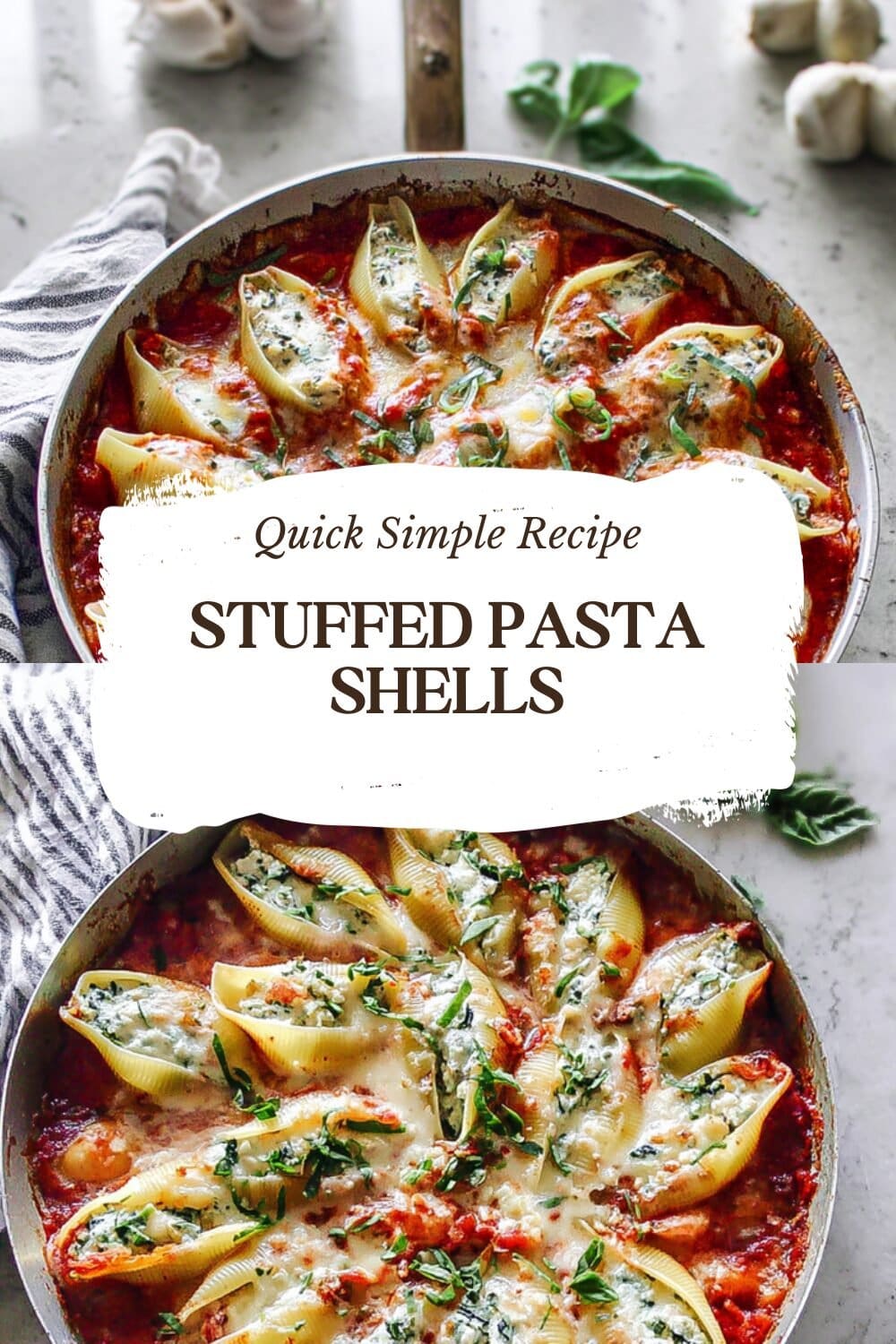
Stuffed Pasta Shells
🍝 Dive into gooey, melty cheese enveloped in tender pasta shells, baked in a rich marinara sauce for the ultimate comfort food experience your family will love.
😋 This easy cheesy Italian classic is simple to prepare, crowd-pleasing, and perfect for cozy weeknight dinners or special gatherings.
- Total Time: 55 minutes
- Yield: 6 servings
Ingredients
– 1 box (12 oz) jumbo pasta shells
– 15 oz ricotta cheese
– 2 cups shredded mozzarella cheese
– 1/2 cup grated Parmesan cheese
– 1 egg
– 2 cups marinara sauce
– 1/4 cup fresh basil, chopped
– 2 cloves garlic, minced
– 1 teaspoon salt
– 1/2 teaspoon black pepper
– Additional mozzarella and Parmesan for topping
Instructions
1-First Step: Preparation and Mise en Place Begin by preheating your oven to 375°F (190°C). This ensures your stuffed shells will cook evenly and properly once assembled. While the oven heats, prepare all your ingredients to streamline the cooking process. Drain the ricotta cheese in a fine-mesh sieve for about 15-20 minutes to remove excess moisture, which prevents a watery filling. Chop your fresh herbs, mince the garlic, and grate your cheeses if not using pre-shredded versions. Having everything ready before you start makes the assembly process much smoother.
2-Second Step: Cooking the Pasta Shells Bring a large pot of salted water to a boil. Add the jumbo pasta shells and cook according to the package directions, but reduce the cooking time by 2 minutes. This is crucial as the shells will continue cooking in the oven and we want them to maintain their structure without becoming mushy. Once al dente, drain the shells and rinse them with cool water to stop the cooking process. Carefully lay them out on a clean towel or baking sheet, being careful not to tear or break any shells. If some do break, don’t worry they can still be used in layers of the dish.
3-Third Step: Making the Ricotta Filling In a large mixing bowl, combine the drained ricotta, one cup of the mozzarella, the Parmesan, egg, minced garlic, salt, pepper, and half of the chopped basil. Mix thoroughly until all ingredients are well incorporated. The mixture should be thick but not overly stiff. Taste the filling and adjust the seasoning if needed. This is your chance to customize the flavor profile if you enjoy a bit more garlic or prefer a lighter touch with the salt, this is the moment to make those adjustments. The filling can be made up to a day ahead and refrigerated until ready to use.
4-Fourth Step: Assembling the Dish Spread about one cup of marinara sauce in an even layer across the bottom of a 9×13 inch baking dish. This prevents the shells from sticking and creates a flavorful foundation. Take each cooled pasta shell and fill it with approximately 2 tablespoons of the ricotta mixture. The easiest way to do this is with a small spoon or piping bag for precision. Place the filled shells in the baking dish in a single layer, opening side up. Continue until all shells are filled and arranged in the dish. Once all the shells are in place, spoon the remaining marinara sauce over the top, making sure each shell gets some sauce. Sprinkle the remaining mozzarella and additional Parmesan evenly over the dish. The cheese should form a generous topping that will create a golden, bubbly crust during baking.
5-Final Step: Baking and Serving Cover the baking dish loosely with aluminum foil and bake for 25 minutes. Remove the foil and continue baking for another 10-15 minutes, or until the cheese is melted and slightly browned and the sauce is bubbly around the edges. The internal temperature should reach at least 165°F (74°C) for food safety. Remove from the oven and let the stuffed pasta shells rest for 10 minutes before serving. This resting period allows the filling to set slightly, making it easier to serve neat portions. Garnish with the remaining fresh basil and perhaps a sprinkle of extra Parmesan. These homemade stuffed pasta shells pair beautifully with a crisp green salad and crusty garlic bread for a complete Italian-inspired meal.
Last Step:
Please leave a rating and comment letting us know how you liked this recipe! This helps our business to thrive and continue providing free, high-quality recipes for you.Notes
💡 Use part-skim ricotta for a lighter version without sacrificing creaminess.
🔥 For extra flavor, add a pinch of red pepper flakes to the cheese mixture if you like a bit of heat.
⏰ Make ahead: Assemble the shells and refrigerate up to 24 hours before baking.
- Prep Time: 20 minutes
- Cook Time: 35 minutes
- Category: Pasta
- Method: Bake
- Cuisine: Italian
- Diet: Vegetarian
Nutrition
- Serving Size: 2 shells
- Calories: 450 kcal
- Sugar: 6g
- Sodium: 850mg
- Fat: 24g
- Saturated Fat: 12g
- Unsaturated Fat: 10g
- Trans Fat: 0g
- Carbohydrates: 35g
- Fiber: 3g
- Protein: 24g
- Cholesterol: 85mg


