

Why You’ll Love This Self Rising Flour Recipe
Creating your own self-rising flour at home is a game-changer for any home baker or cooking enthusiast. This simple recipe transforms basic pantry staples into a versatile ingredient that saves time and delivers consistent results. Whether you are whipping up fluffy biscuits for a Sunday breakfast or preparing quick pancakes on a busy weekday morning, having this homemade mix ready to go makes life easier. Let me share why this recipe deserves a permanent spot in your pantry:- Ease of preparation: This recipe comes together in less than 5 minutes with just three ingredients you likely already have. No special equipment or techniques are required. Simply measure, combine, and store. The quick process means you can make exactly what you need without a trip to the grocery store.
- Health benefits: By making your own self-rising flour, you control exactly what goes into it. Many commercial varieties contain additives and preservatives that some people prefer to avoid. This homemade version is free from unnecessary ingredients and allows you to choose high-quality flour for better nutrition.
- Versatility: This flour blend works beautifully in countless recipes from Southern biscuits and fluffy pancakes to quick breads and muffins. It adapts well to various dietary modifications including gluten-free and low-calorie options, making it suitable for different nutritional needs and preferences.
- Cost-effectiveness: Making your own self-rising flour costs pennies compared to store-bought varieties. A single batch creates multiple servings of ready-to-use flour blend, stretching your grocery budget while ensuring you always have this essential ingredient on hand.
Jump To
- 1. Why You’ll Love This Self Rising Flour Recipe
- 2. Essential Ingredients for Self Rising Flour Recipe
- 3. How to Prepare the Perfect Self Rising Flour Recipe: Step-by-Step Guide
- 4. Dietary Substitutions to Customize Your Self Rising Flour Recipe
- 5. Mastering Self Rising Flour Recipe: Advanced Tips and Variations
- 6. How to Store Self Rising Flour Recipe: Best Practices
- 7. FAQs: Frequently Asked Questions About Self Rising Flour Recipe
- 8. Self Rising Flour Recipe
Essential Ingredients for Self Rising Flour Recipe
The beauty of this recipe lies in its simplicity. With just three basic ingredients, you can create a pantry staple that performs just as well as any commercial brand. Each component plays a specific role in ensuring your baked goods rise perfectly and have the right balance of flavor. Main Ingredients: 1 cup all-purpose flour – Provides the structure and base for your baked goods 1 ½ teaspoons baking powder – Acts as the leavening agent to create lift and lightness ½ teaspoon salt – Enhances flavor and balances the sweetness in recipes Special Dietary Options: Vegan: All ingredients listed above are naturally plant-based. No substitutions needed. Gluten-free: Replace all-purpose flour with a high-quality gluten-free flour blend designed for baking. Use the same measurements and ensure your baking powder is certified gluten-free. Low-calorie: Substitute half the all-purpose flour with whole wheat pastry flour or almond flour for added nutrients and fiber while maintaining similar caloric content.How to Prepare the Perfect Self Rising Flour Recipe: Step-by-Step Guide
Making your own self-rising flour is straightforward, but following the right technique ensures consistent results every time. This guide walks you through the process from start to finish, with tips for achieving the best texture and shelf life.Preparing Your Workspace
Before starting, gather your tools and ingredients. You will need a medium mixing bowl, a whisk or sifter, measuring cups and spoons, and an airtight container for storage. Ensure your flour is fresh and your baking powder has not expired, as old leavening agents can lead to disappointing results.Step One: Measure the Flour Accurately
Begin by measuring 1 cup of all-purpose flour. For the most accurate results, use the spoon-and-level method rather than scooping directly from the bag. Fluff the flour with a spoon, gently spoon it into your measuring cup until overflowing, then use the back of a knife to level off the excess. This prevents compacting which could lead to using too much flour.Step Two: Add Leavening and Salt
Add 1 ½ teaspoons of baking powder and ½ teaspoon of salt to the flour. These measurements are critical for proper rising and flavor balance. Too little baking powder will result in dense, flat baked goods, while too much can create an unpleasant aftertaste. The salt may seem minimal, but it is essential for bringing out flavors in your final recipes.Step Three: Combine Thoroughly
Mix the ingredients together using one of two methods. The first option is to sift all ingredients together through a fine-mesh strainer three times. This aerates the flour while evenly distributing the baking powder and salt. Alternatively, whisk vigorously in a bowl for 1-2 minutes until completely uniform. Both methods work well, though sifting tends to produce a lighter, finer texture ideal for delicate baked goods.Step Four: Test for Consistency
After mixing, examine your flour blend to ensure no clumps of baking powder or salt remain. The mixture should appear uniform in color and texture. If you spot any dark specks or clumps, continue whisking or sift again. For added confidence, you can test the baking powder’s effectiveness by mixing 1 teaspoon of your blend with ¼ cup hot water. Vigorous bubbling indicates active leavening power.Final Step: Store Properly
Transfer your homemade self-rising flour to an airtight container. Label with the date and the ratio used for future reference. Store at room temperature away from direct sunlight and moisture. When stored correctly, your flour blend will remain fresh for 4-6 months, ready whenever inspiration strikes or a recipe calls for this convenient ingredient.
Dietary Substitutions to Customize Your Self Rising Flour Recipe
Protein and Main Component Alternatives
For those with specific dietary needs or preferences, several alternatives work well in place of traditional all-purpose flour. Whole wheat flour provides added fiber and nutrients but creates denser baked goods. For best results, use whole wheat pastry flour which offers a lighter texture while maintaining nutritional benefits. Almond flour creates a gluten-free, low-carb option rich in protein and healthy fats, though it requires adjustments to liquid ratios in recipes. Coconut flour offers another grain-free alternative but absorbs significantly more liquid than wheat flour. When using coconut flour, expect to increase eggs and liquids in your recipe by up to double. Rice flour blends designed for 1:1 substitution provide the most reliable results for gluten-free baking without extensive recipe modifications.Vegetable, Sauce, and Seasoning Modifications
While the basic self-rising flour recipe remains constant, you can create flavored variations for specific uses. For herb-enhanced baked goods, add 1-2 tablespoons of dried herbs like rosemary, thyme, or Italian seasoning directly to the flour blend. This creates instant flavor in biscuits, scones, and savory breads. For sweet applications, consider adding 1 tablespoon of sugar or honey powder to the mix. This works especially well for pancakes and dessert-style quick breads. Spiced variations incorporating cinnamon, nutmeg, or pumpkin pie spice (about 1 teaspoon total) create warm, autumn-inspired baked goods perfect for the holiday season.Mastering Self Rising Flour Recipe: Advanced Tips and Variations
Once you have mastered the basic recipe, these expert techniques and creative variations will help you get even more impressive results from your homemade flour blend.Pro Cooking Techniques
For extra light and fluffy baked goods, consider chilling your flour mixture before using it in biscuit or scone recipes. Cold flour helps keep butter pieces solid during mixing, leading to better flaky layers. When making pancakes, let your batter rest for 10-15 minutes before cooking. This allows the flour to fully hydrate and results in more uniform texture. For consistently tall biscuits, place them touching each other on the baking sheet rather than separated. This encourages them to rise upward rather than outward. When cutting biscuits, use a sharp cutter and press straight down without twisting. Twisting seals the edges and prevents proper rising.Flavor Variations
Experiment with different flour combinations to create unique flavor profiles. A blend of half all-purpose and half whole wheat flour adds nutty depth to heartier baked goods. Replace ¼ cup of the flour with cornmeal for a pleasant crunch and subtle sweetness perfect for cornbread variations. Citrus zest (lemon, orange, or lime) added directly to the flour blend infuses bright flavor throughout baked goods. Use approximately 1 tablespoon of zest per cup of flour for noticeable but not overpowering citrus notes.Presentation Tips
For professional-looking results, brush the tops of biscuits and scones with an egg wash (1 egg beaten with 1 tablespoon water) before baking. This creates a beautifully golden, glossy finish. For extra crunch, sprinkle coarse salt, sesame seeds, or poppy seeds on top after applying the egg wash.Make-Ahead Options
Prepare large batches of your self-rising flour blend to have ready for multiple baking sessions. The dry mixture stores perfectly for months, making it easy to whip up fresh baked goods at a moment’s notice. Consider making separate containers labeled for sweet and savory applications, with appropriate spices or herbs already mixed in.How to Store Self Rising Flour Recipe: Best Practices
Proper storage ensures your homemade self-rising flour remains effective and ready to use whenever you need it. Following these guidelines will maintain freshness and prevent waste.Refrigeration
While not strictly necessary for short-term storage, refrigeration can extend the life of your flour blend, especially in warm or humid climates. If choosing to refrigerate, place your airtight container in the main body of the refrigerator rather than the door where temperature fluctuates. Allow the flour to come to room temperature before using for best results in baking.Freezing
For long-term storage up to 18 months, freezing is an excellent option. Portion your flour blend into freezer-safe bags or containers, removing as much air as possible before sealing. Label clearly with contents and date. Thaw frozen flour in the refrigerator overnight before use, then bring to room temperature. Stir well after thawing as moisture may cause slight clumping.Meal Prep Considerations
Batch preparing your self-rising flour blend saves time and ensures consistency across multiple baking sessions. Consider making 4-6 cups at a time, dividing into smaller containers for regular use. This approach works especially well for avid bakers or those preparing for holiday baking seasons.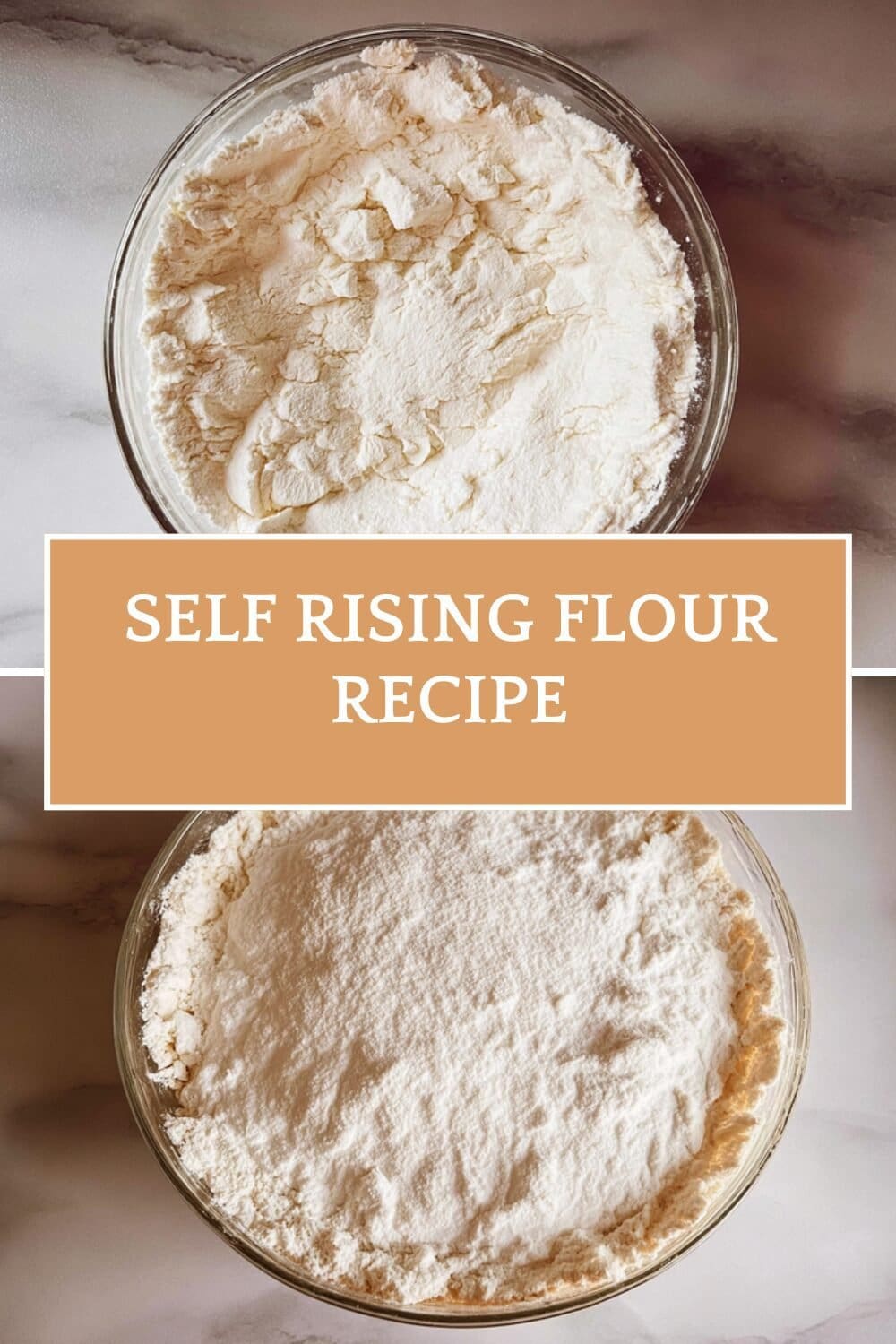
FAQs: Frequently Asked Questions About Self Rising Flour Recipe
What is self-rising flour and what’s the basic recipe to make it at home?
Self-rising flour is a convenient mix of all-purpose flour, baking powder, and salt, designed for quick-bread recipes like biscuits and pancakes without extra leavening agents. To make it at home, combine 1 cup all-purpose flour, 1 ½ teaspoons baking powder, and ½ teaspoon salt. Sift them together three times for even distribution, or whisk vigorously in a bowl. This yields about 1 cup of self-rising flour. Store in an airtight container for up to 6 months. It’s ideal for fluffy results in Southern-style biscuits or muffins. Always measure flour by spooning into the cup and leveling off to avoid dense baked goods. This homemade version costs pennies compared to store-bought and lets you control freshness. (92 words)
How do you make self-rising flour biscuits from scratch?
For easy self-rising flour biscuits, preheat oven to 450°F. Mix 2 cups self-rising flour with ¼ cup cold butter (cut into pieces) using a pastry cutter until crumbly. Stir in ¾ cup cold buttermilk just until dough forms—don’t overmix. Pat dough to ½-inch thick on floured surface, fold in half twice for layers, then cut into rounds. Bake on a parchment-lined sheet for 12-15 minutes until golden. Brush tops with melted butter. Yields 8-10 biscuits. Use homemade self-rising flour (1 cup AP flour + 1½ tsp baking powder + ½ tsp salt per cup) for best rise. These are tender and flaky, perfect for breakfast or sides. Pro tip: Chill dough 15 minutes before cutting for extra flakiness. (112 words)
Can you use self-rising flour instead of all-purpose flour in recipes?
Yes, but with caveats—self-rising flour adds leavening and salt, so substitute only in recipes without baking powder, soda, or added salt, like cakes, cookies, or pancakes. For every cup of all-purpose flour, use 1 cup self-rising but reduce or omit other leaveners and salt. Example: In pancakes, it works great for fluffiness; in yeast breads, skip it to avoid off flavors. If a recipe calls for self-rising, make your own with 1 cup all-purpose flour, 1½ tsp baking powder, ½ tsp salt. Test in small batches first, as it can make items too salty or puffy. Always check recipe notes for best results. (98 words)
What recipes work best with self-rising flour?
Self-rising flour shines in quick breads and no-fuss baked goods needing instant lift. Top recipes include buttermilk biscuits (mix with cold fat and liquid, bake hot), fluffy pancakes (stir with milk, egg, minimal sugar), cornbread (add cornmeal, egg, buttermilk), scones, and muffins. Avoid it in yeast breads, pies, or cookies where controlled rise matters. Sample cornbread: 2 cups self-rising flour, 1 cup cornmeal, 1 egg, 1¾ cups buttermilk, ¼ cup oil—bake 425°F for 25 minutes. Its built-in baking powder (about 1.5 tsp per cup) ensures reliable tenderness. Experiment with add-ins like cheese or herbs for variety. Keeps baking simple and foolproof for beginners. (104 words)
How long does homemade self-rising flour last and how do you store it?
Homemade self-rising flour stays fresh for 4-6 months at room temperature in an airtight container, thanks to baking powder’s shelf life. For longer storage, refrigerate up to 1 year or freeze up to 18 months—thaw before using and stir well. Label with date and ratio (1 cup AP flour + 1½ tsp baking powder + ½ tsp salt). Test freshness: Mix 1 tsp with hot water; it should bubble vigorously. If flat, remake it. Make small batches to use quickly. This beats store-bought by avoiding preservatives while saving money—about 10¢ per cup. Ideal for frequent bakers stocking pantries efficiently. (96 words)

Self Rising Flour Recipe
🌾 Whip up homemade self-rising flour in minutes using basic pantry items for flawless baking results.
🥄 Cost-effective and fresher than store-bought—ideal for biscuits, cakes, and quick breads anytime!
- Total Time: 5 minutes
- Yield: 4 cups
Ingredients
– 1 cup all-purpose flour for providing the structure and base for baked goods
– 1 ½ teaspoons baking powder as the leavening agent to create lift and lightness
– ½ teaspoon salt for enhancing flavor and balancing sweetness in recipes
Instructions
1-Step One: Measure the Flour Accurately Begin by measuring 1 cup of all-purpose flour. For the most accurate results, use the spoon-and-level method rather than scooping directly from the bag. Fluff the flour with a spoon, gently spoon it into your measuring cup until overflowing, then use the back of a knife to level off the excess. This prevents compacting which could lead to using too much flour.
2-Step Two: Add Leavening and Salt Add 1 ½ teaspoons of baking powder and ½ teaspoon of salt to the flour. These measurements are critical for proper rising and flavor balance. Too little baking powder will result in dense, flat baked goods, while too much can create an unpleasant aftertaste. The salt may seem minimal, but it is essential for bringing out flavors in your final recipes.
3-Step Three: Combine Thoroughly Mix the ingredients together using one of two methods. The first option is to sift all ingredients together through a fine-mesh strainer three times. This aerates the flour while evenly distributing the baking powder and salt. Alternatively, whisk vigorously in a bowl for 1-2 minutes until completely uniform. Both methods work well, though sifting tends to produce a lighter, finer texture ideal for delicate baked goods.
4-Step Four: Test for Consistency After mixing, examine your flour blend to ensure no clumps of baking powder or salt remain. The mixture should appear uniform in color and texture. If you spot any dark specks or clumps, continue whisking or sift again. For added confidence, you can test the baking powder’s effectiveness by mixing 1 teaspoon of your blend with ¼ cup hot water. Vigorous bubbling indicates active leavening power.
5-Final Step: Store Properly Transfer your homemade self-rising flour to an airtight container. Label with the date and the ratio used for future reference. Store at room temperature away from direct sunlight and moisture. When stored correctly, your flour blend will remain fresh for 4-6 months, ready whenever inspiration strikes or a recipe calls for this convenient ingredient.
Last Step:
Please leave a rating and comment letting us know how you liked this recipe! This helps our business to thrive and continue providing free, high-quality recipes for you.Notes
🌾 Sift the mixture twice for ultra-fine, lump-free flour.
📦 Keeps fresh for up to 6 months in an airtight container.
🥞 Measure by spooning into cup and leveling—don’t pack for accuracy.
- Prep Time: 5 minutes
- Category: Baking
- Method: Mixing
- Cuisine: American
- Diet: Vegan
Nutrition
- Serving Size: 1/4 cup
- Calories: 110
- Sugar: 0g
- Sodium: 350mg
- Fat: 0g
- Saturated Fat: 0g
- Unsaturated Fat: 0g
- Trans Fat: 0g
- Carbohydrates: 23g
- Fiber: 1g
- Protein: 3g
- Cholesterol: 0mg


