

Why You’ll Love This Rolled Buttermilk Biscuits
There’s something magical about pulling a tray of freshly baked biscuits from the oven. These rolled buttermilk biscuits will quickly become your go-to recipe for several compelling reasons: * **Ease of preparation**: With simple ingredients and straightforward techniques, you can have these delicious biscuits on the table in under 30 minutes. The mixing process requires minimal equipment, and even novice bakers can master the rolling and cutting techniques with ease. No special tools or extensive experience needed just a willingness to get your hands a little floury. * **Health benefits**: While biscuits are often considered indulgent treats, this recipe offers some surprising nutritional advantages. The buttermilk provides essential calcium and probiotics, while the controlled amount of butter ensures flavor without excess. Plus, by making them at home, you avoid preservatives and artificial ingredients found in store-bought alternatives, giving you control over what goes into your food. * **Versatility**: These homemade biscuits adapt beautifully to any meal of the day. Serve them alongside eggs and bacon for breakfast, use them as sandwich bread for lunch, or pair with soups and stews for dinner. They also work wonderfully as a base for strawberry shortcake or savory applications like biscuits and gravy. The recipe can be easily modified to accommodate various dietary needs without sacrificing texture. * **Distinctive flavor**: The perfect balance of tangy buttermilk and rich butter creates a flavor profile that’s both comforting and sophisticated. The characteristic flaky layers, achieved through proper folding technique, provide that sought-after bakery quality that makes these southern biscuits stand out from the rest. Each bite delivers that satisfying combination of tender interior and slightly crispy exterior that biscuit lovers crave.Jump To
- 1. Why You’ll Love This Rolled Buttermilk Biscuits
- 2. Essential Ingredients for Rolled Buttermilk Biscuits
- 3. How to Prepare the Perfect Rolled Buttermilk Biscuits: Step-by-Step Guide
- 4. Dietary Substitutions to Customize Your Rolled Buttermilk Biscuits
- 5. Mastering Rolled Buttermilk Biscuits: Advanced Tips and Variations
- 6. How to Store Rolled Buttermilk Biscuits: Best Practices
- 7. FAQs: Frequently Asked Questions About Rolled Buttermilk Biscuits
- 8. Rolled Buttermilk Biscuits
Essential Ingredients for Rolled Buttermilk Biscuits
Creating perfect rolled buttermilk biscuits begins with assembling the right ingredients. This recipe relies on specific measurements to ensure consistent results every time you bake. Main Ingredients: 2 cups all-purpose flour – Forms the structure of the biscuits and provides the right balance of protein for tenderness 1 tablespoon baking powder – Essential for rise and creating light, airy texture 1/2 teaspoon baking soda – Works with acidic buttermilk to enhance leavening 1 teaspoon salt – Enhances flavor and balances sweetness 1 tablespoon sugar – Adds subtle sweetness and promotes golden browning 6 tablespoons cold unsalted butter (cubed) – Creates flaky layers when incorporated into flour 1 cup cold buttermilk – Provides acidity for tenderness and reacts with leaveners for lift Melted butter for brushing tops – Adds rich flavor and appealing golden color Special Dietary Options: Vegan: Replace butter with cold vegan butter sticks or coconut oil, substitute buttermilk with plant milk mixed with vinegar (1:1 ratio with 1 tablespoon vinegar per cup) Gluten-free: Use a 1-to-1 gluten-free flour blend designed for baking (not the same as coconut or almond flour), ensure other ingredients are certified gluten-free Low-calorie: Reduce butter to 4 tablespoons, use low-fat buttermilk, consider using half whole wheat flour for more fiber and satietyHow to Prepare the Perfect Rolled Buttermilk Biscuits: Step-by-Step Guide
Creating restaurant-quality biscuits at home doesn’t require special skills or expensive equipment. Follow these detailed steps to achieve perfectly flaky results every time.First Step: Preparation and Mise en Place
Begin by preheating your oven to 450°F (230°C) and lining a baking sheet with parchment paper. This ensures your biscuits bake evenly and prevents sticking. It’s crucial that all ingredients especially the butter and buttermilk remain cold throughout the process. For best results, measure all ingredients before starting and consider placing your mixing bowl in the freezer for 10 minutes to chill. Cold ingredients create steam pockets in the oven, which is the secret to achieving those signature flaky layers in your flaky biscuits.Second Step: Mixing the Dry Ingredients
In a large mixing bowl, whisk together 2 cups all-purpose flour, 1 tablespoon baking powder, 1/2 teaspoon baking soda, 1 teaspoon salt, and 1 tablespoon sugar until thoroughly combined. This ensures even distribution of leavening agents throughout the flour, which is critical for uniform rising. A wire whisk works best for this step to incorporate air into the flour mixture. Proper mixing at this stage prevents any bitter spots of undissolved baking powder in your finished biscuits.Third Step: Incorporating the Butter
Cut 6 tablespoons of cold unsalted butter (cubed) into the flour mixture using a pastry cutter, two forks, or your fingertips. Work quickly to keep the butter cold, stopping when the mixture resembles coarse crumbs with some pea-sized pieces of butter remaining. These visible butter pieces will melt during baking, creating the desired flaky layers. If using your fingers, work quickly to avoid melting the butter with body heat. This technique, known as “rubbing in,” is the most critical step for achieving the texture that makes southern biscuits so special.Fourth Step: Adding the Buttermilk
Make a well in the center of your flour-butter mixture and pour in 1 cup of cold buttermilk. Using a wooden spoon or spatula, gently fold the mixture together just until the dough comes together. The dough should be shaggy and slightly sticky resist the urge to overmix. Overworking the dough at this stage will develop gluten, resulting in tough biscuits rather than tender ones. The buttermilk’s acidity will react with the baking soda to create tiny bubbles that will expand in the oven, giving your biscuits their characteristic rise.Fifth Step: Folding for Layers
Turn the dough onto a lightly floured surface and gently pat it into a rectangle about 3/4-inch thick. Fold the dough in half, then in half again (like a letter). This folding technique creates multiple layers in your biscuits. Gently pat the folded dough to 3/4-inch thickness and repeat the folding process two more times. This creates the laminated effect that produces those beautiful flaky layers when baked. Handle the dough as little as possible during this process to maintain tenderness.Sixth Step: Cutting and Baking
After the final fold, pat or roll the dough to a uniform 1/2-inch thickness. Using a 2.5-inch biscuit cutter, cut straight down into the dough without twisting. Twisting the cutter seals the edges and prevents proper rising. Place the cut biscuits on your prepared baking sheet, touching each other slightly (this helps them rise higher). Gather any scraps, gently press together, and cut additional biscuits. Bake for 12-15 minutes until golden brown on top. For extra richness and color, brush the tops with melted butter immediately after removing from the oven.
Dietary Substitutions to Customize Your Rolled Buttermilk Biscuits
Protein and Main Component Alternatives
While traditional buttermilk biscuits rely on dairy, you can easily adapt this recipe to suit various dietary preferences. For those avoiding dairy, high-quality plant-based butter alternatives work well in place of regular butter. When substituting, ensure the alternative is firm and cold, just as you would with dairy butter. Coconut oil can also work, but it adds a subtle coconut flavor and melts at a lower temperature, so work quickly. For more creative variations, consider adding protein elements directly into the dough. Finely shredded cheddar cheese and crumbled cooked bacon create savory breakfast biscuits. For a vegetarian protein boost, incorporate chopped herbs and seeds. If you’re watching your fat intake, you can replace half the butter with plain Greek yogurt, though this will slightly alter the texture, making it more cake-like than flaky.Vegetable, Sauce, and Seasoning Modifications
Transform your basic biscuit recipe into something extraordinary by incorporating vegetables, herbs, and seasonings. Finely chopped scallions, chives, or fresh rosemary add aromatic complexity. For a savory twist, mix in grated sharp cheddar, parmesan, or a blend of Italian cheeses. Dried herbs like garlic powder, onion powder, or paprika can be added to the dry ingredients for consistent flavor throughout. For sweet variations, consider adding cinnamon, nutmeg, or citrus zest to the dry ingredients. Dried fruits like cranberries or currants work well when folded in with the buttermilk. These additions make the biscuits versatile enough to serve as a dessert base or a unique accompaniment to brunch. Just remember that adding moist ingredients may require slight adjustments to the liquid measurements to maintain the proper dough consistency.Mastering Rolled Buttermilk Biscuits: Advanced Tips and Variations
Once you’ve mastered the basic recipe, these expert techniques will help you achieve bakery-quality results every time: * **Pro cooking techniques**: For exceptionally tall biscuits, place your cut dough rounds on the baking sheet so they’re touching each other. This causes them to rise upward rather than outward. For maximum flakiness, try grating frozen butter into the flour mixture instead of cubing it this creates smaller, more evenly distributed butter pieces. Additionally, placing your baking sheet on the lowest oven rack initially creates a burst of bottom heat that promotes rising, then moving to the middle rack for even browning. * **Flavor variations**: Experiment with different fats lard creates an exceptionally flaky texture with a neutral flavor, while bacon grease adds savory depth. For a sweeter biscuit, increase the sugar to 2 tablespoons and add vanilla extract to the buttermilk. Honey butter brushed on hot biscuits adds an elegant finishing touch. Consider adding a teaspoon of black pepper or cayenne for a subtle heat that pairs beautifully with savory applications. * **Presentation tips**: For uniform biscuits, use a ruler to measure dough thickness precisely. If you don’t have a biscuit cutter, a sharp knife or bench scraper can create square biscuits with no wasted dough. For a rustic look, brush the tops with heavy cream instead of butter before baking for a shinier finish. Serve immediately in a lined basket or cloth napkin to retain warmth. * **Make-ahead options**: You can prepare the dough ahead, cut the biscuits, and freeze them on a baking sheet before transferring to a freezer bag. Bake from frozen, adding 2-3 minutes to the baking time. Alternatively, fully bake and cool the biscuits, then freeze in an airtight container. Reheat in a 350°F oven for 5-7 minutes to refresh them. This makes fresh-baked biscuits possible even on busy mornings.How to Store Rolled Buttermilk Biscuits: Best Practices
Proper storage ensures your homemade biscuits remain delicious even after the initial baking. Follow these guidelines to maintain quality and extend shelf life:| Storage Method | Duration | Best Practices |
|---|---|---|
| Room Temperature | Up to 2 days | Store in an airtight container or sealed plastic bag with a paper towel to absorb excess moisture |
| Refrigerator | Up to 5 days | Wrap individually in plastic wrap or foil, then place in an airtight container |
| Freezer (baked) | Up to 2 months | Wrap each biscuit tightly in plastic wrap, then place in a freezer-safe bag with date marked |
| Freezer (unbaked) | Up to 1 month | Flash freeze cut biscuits on a sheet, then transfer to freezer bags without touching |
Refrigeration and Reheating
For short-term storage, room temperature is ideal as refrigeration can make biscuits stale more quickly. If refrigeration is necessary, wrap biscuits individually to prevent them from absorbing other food odors. When reheating, avoid the microwave, which makes biscuits tough and soggy. Instead, place them in a 350°F oven for 5-7 minutes until warmed through. For extra crispiness, split the biscuits and toast them cut-side up under the broiler for 1-2 minutes.Freezing Techniques
Freezing unbaked biscuits offers the freshest results. Cut your biscuits as usual, then place them on a baking sheet in the freezer until firm (about 1 hour). Transfer to a freezer bag, removing as much air as possible. When ready to bake, place frozen biscuits on a prepared sheet and bake, adding 2-3 minutes to the original time. This method ensures you can enjoy hot, fresh biscuits with minimal effort on busy days.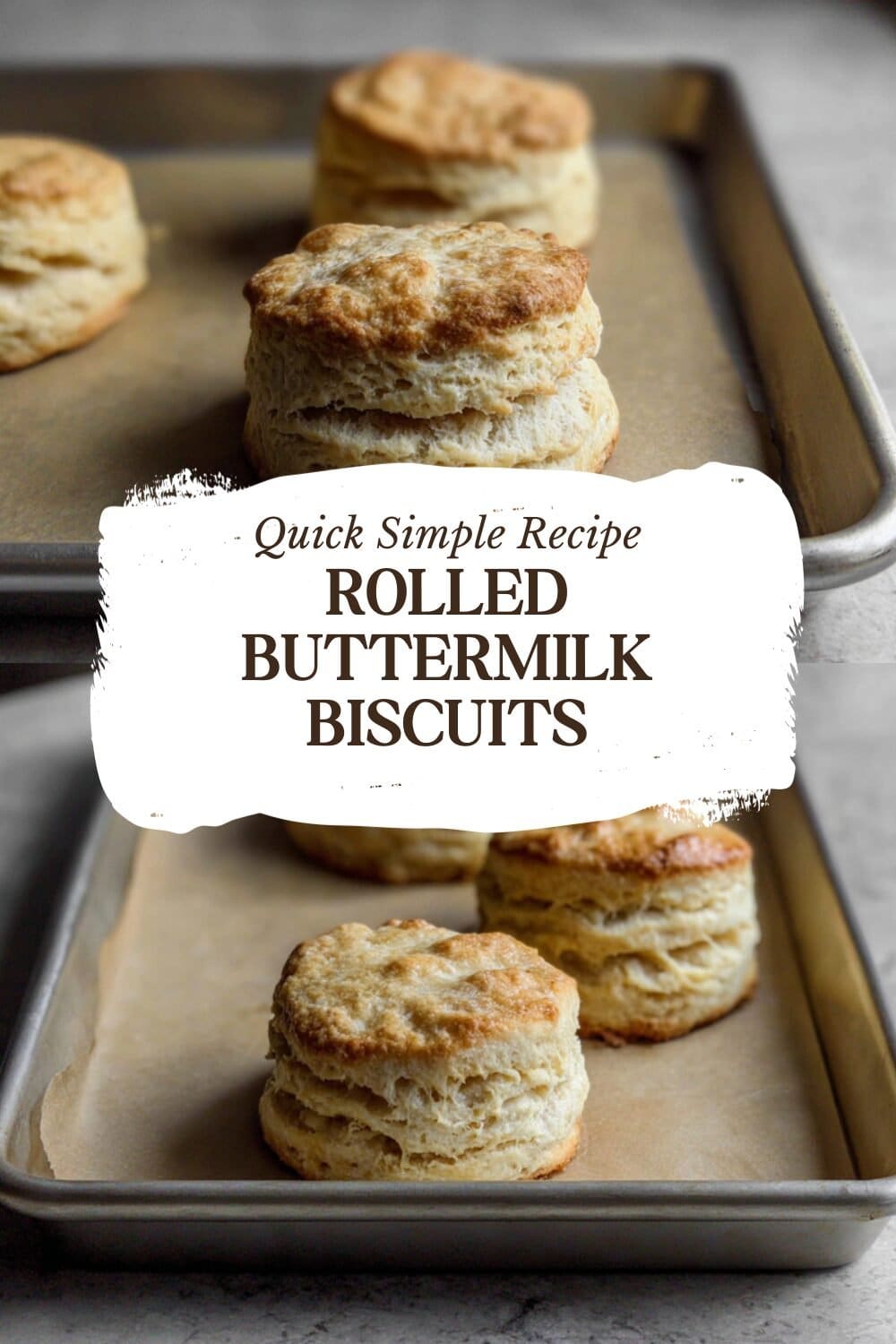
FAQs: Frequently Asked Questions About Rolled Buttermilk Biscuits
How do I make rolled buttermilk biscuits from scratch?
To make rolled buttermilk biscuits, preheat your oven to 450°F (230°C) and line a baking sheet with parchment. In a bowl, whisk 2 cups all-purpose flour, 1 tablespoon baking powder, 1/2 teaspoon baking soda, 1 teaspoon salt, and 1 tablespoon sugar. Cut in 6 tablespoons cold unsalted butter (cubed) using a pastry cutter until pea-sized crumbs form. Stir in 1 cup cold buttermilk just until dough comes together—avoid overmixing. Pat dough on a floured surface to 3/4-inch thick, fold in half twice for layers, then roll to 1/2-inch thick. Cut with a 2.5-inch biscuit cutter without twisting. Bake 12-15 minutes until golden. Brush tops with melted butter. Yields 8-10 biscuits. This method creates tall, flaky results every time.
What’s the difference between rolled and drop buttermilk biscuits?
Rolled buttermilk biscuits use a rolling pin to shape dough into even rounds, cut with a biscuit cutter, producing uniform, flaky layers from folded dough and cold fat that create steam pockets during baking. Drop biscuits skip rolling—instead, you scoop sticky dough straight onto the sheet for rustic, irregular shapes with softer, cake-like texture but less height. Rolled versions are ideal for biscuits and gravy or sandwiches needing structure, while drops are quicker for beginners. Both rely on buttermilk’s acidity for tenderness and rise via baking powder/soda. For flakier results, always chill butter and tools in rolled recipes. Experiment with both to match your preference.
Why do my rolled buttermilk biscuits turn out flat?
Flat rolled buttermilk biscuits often result from warm butter (melts instead of creating layers), overworked dough (toughens gluten), or low oven heat (prevents quick rise). Fix by using ice-cold butter grated or cubed, handling dough minimally—just pat and fold gently 2-3 times. Roll to exactly 1/2-3/4 inch thick; thicker dough rises higher. Ensure fresh leaveners (baking powder/soda expire fast) and full-fat cold buttermilk. Place biscuits touching on the sheet to support rising, and bake at 450-475°F on the top rack for 12-15 minutes—no peeking early. Test leaveners by mixing with hot water (should bubble). These tweaks yield 2-inch tall biscuits reliably.
How should I store homemade rolled buttermilk biscuits?
Store cooled rolled buttermilk biscuits in an airtight container at room temperature for up to 2 days—they stay soft thanks to buttermilk. For longer, refrigerate up to 5 days or freeze baked biscuits (wrapped individually) for 2 months; thaw and reheat at 350°F for 5-7 minutes. To freeze unbaked, cut dough rounds, flash-freeze on a sheet, then bag—bake from frozen adding 2-3 minutes. Avoid microwaving to prevent sogginess; oven crisps exteriors. Pro tip: Split and toast leftovers for breakfast sandwiches. Proper storage keeps flaky texture intact without waste.
Can I make rolled buttermilk biscuits without buttermilk?
Yes, substitute for buttermilk easily: mix 1 cup milk with 1 tablespoon lemon juice or white vinegar, let sit 5-10 minutes to curdle. Plain yogurt thinned with milk (1:1) or kefir works too, mimicking buttermilk’s tang and acidity for tender crumb and rise. Avoid sweet milk alone—it reduces lift. Dairy-free? Use almond/oat milk with acid. Test small batch first, as subs slightly alter flavor but maintain flakiness if butter stays cold. This hack saves trips to the store while delivering classic Southern-style biscuits perfect for any meal.

Rolled Buttermilk Biscuits
🥐 Delight in ultra-flaky, tender buttermilk biscuits with golden tops and sky-high rise straight from your oven.
🍞 Foolproof recipe using simple pantry staples—ideal for breakfast, sides, or any meal!
- Total Time: 30 minutes
- Yield: 8 biscuits
Ingredients
– 2 cups all-purpose flour – Forms the structure of the biscuits and provides the right balance of protein for tenderness
– 1 tablespoon baking powder – Essential for rise and creating light, airy texture
– 1/2 teaspoon baking soda – Works with acidic buttermilk to enhance leavening
– 1 teaspoon salt – Enhances flavor and balances sweetness
– 1 tablespoon sugar – Adds subtle sweetness and promotes golden browning
– 6 tablespoons cold unsalted butter (cubed) – Creates flaky layers when incorporated into flour
– 1 cup cold buttermilk – Provides acidity for tenderness and reacts with leaveners for lift
– Melted butter for brushing tops – Adds rich flavor and appealing golden color
Instructions
1-First Step: Preparation and Mise en Place Begin by preheating your oven to 450°F (230°C) and lining a baking sheet with parchment paper. This ensures your biscuits bake evenly and prevents sticking. It’s crucial that all ingredients especially the butter and buttermilk remain cold throughout the process. For best results, measure all ingredients before starting and consider placing your mixing bowl in the freezer for 10 minutes to chill. Cold ingredients create steam pockets in the oven, which is the secret to achieving those signature flaky layers in your flaky biscuits.
2-Second Step: Mixing the Dry Ingredients In a large mixing bowl, whisk together 2 cups all-purpose flour, 1 tablespoon baking powder, 1/2 teaspoon baking soda, 1 teaspoon salt, and 1 tablespoon sugar until thoroughly combined. This ensures even distribution of leavening agents throughout the flour, which is critical for uniform rising. A wire whisk works best for this step to incorporate air into the flour mixture. Proper mixing at this stage prevents any bitter spots of undissolved baking powder in your finished biscuits.
3-Third Step: Incorporating the Butter Cut 6 tablespoons of cold unsalted butter (cubed) into the flour mixture using a pastry cutter, two forks, or your fingertips. Work quickly to keep the butter cold, stopping when the mixture resembles coarse crumbs with some pea-sized pieces of butter remaining. These visible butter pieces will melt during baking, creating the desired flaky layers. If using your fingers, work quickly to avoid melting the butter with body heat. This technique, known as “rubbing in,” is the most critical step for achieving the texture that makes southern biscuits so special.
4-Fourth Step: Adding the Buttermilk Make a well in the center of your flour-butter mixture and pour in 1 cup of cold buttermilk. Using a wooden spoon or spatula, gently fold the mixture together just until the dough comes together. The dough should be shaggy and slightly sticky resist the urge to overmix. Overworking the dough at this stage will develop gluten, resulting in tough biscuits rather than tender ones. The buttermilk’s acidity will react with the baking soda to create tiny bubbles that will expand in the oven, giving your biscuits their characteristic rise.
5-Fifth Step: Folding for Layers Turn the dough onto a lightly floured surface and gently pat it into a rectangle about 3/4-inch thick. Fold the dough in half, then in half again (like a letter). This folding technique creates multiple layers in your biscuits. Gently pat the folded dough to 3/4-inch thickness and repeat the folding process two more times. This creates the laminated effect that produces those beautiful flaky layers when baked. Handle the dough as little as possible during this process to maintain tenderness.
6-Sixth Step: Cutting and Baking After the final fold, pat or roll the dough to a uniform 1/2-inch thickness. Using a 2.5-inch biscuit cutter, cut straight down into the dough without twisting. Twisting the cutter seals the edges and prevents proper rising. Place the cut biscuits on your prepared baking sheet, touching each other slightly (this helps them rise higher). Gather any scraps, gently press together, and cut additional biscuits. Bake for 12-15 minutes until golden brown on top. For extra richness and color, brush the tops with melted butter immediately after removing from the oven.
Last Step:
Please leave a rating and comment letting us know how you liked this recipe! This helps our business to thrive and continue providing free, high-quality recipes for you.Notes
❄️ Use very cold butter and buttermilk for the flakiest layers—chill tools if needed.
🤲 Handle the dough as little as possible to keep it tender and flaky.
🔥 Bake right away for maximum rise; do not let dough sit.
- Prep Time: 15 minutes
- Cook Time: 15 minutes
- Category: Breakfast
- Method: Baking
- Cuisine: American
- Diet: Vegetarian
Nutrition
- Serving Size: 1 biscuit
- Calories: 250
- Sugar: 2g
- Sodium: 600mg
- Fat: 12g
- Saturated Fat: 7g
- Unsaturated Fat: 4g
- Trans Fat: 0g
- Carbohydrates: 30g
- Fiber: 1g
- Protein: 6g
- Cholesterol: 30mg


