

Why You’ll Love This Roasted Spring Vegetables Recipe
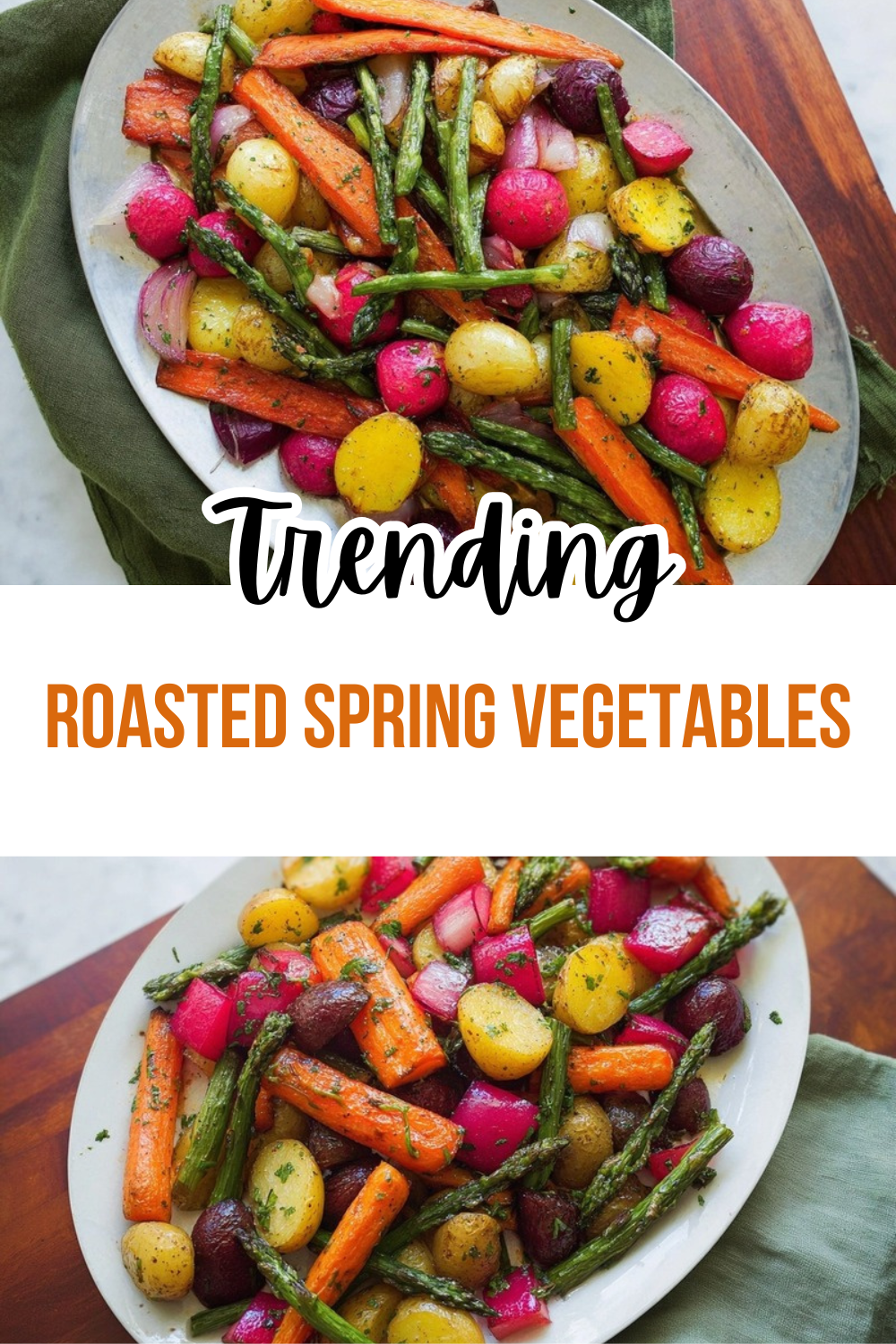
Roasted Spring Vegetables bring together tender potatoes, sweet cauliflower, buttery leeks, and crisp asparagus in one simple pan. If you want a side dish that feels fresh, colorful, and easy enough for a busy weeknight, this recipe fits right in. It also pairs nicely with grilled meats, chicken, or fish, which makes it a strong choice for home cooks who like flexible meals.
- Easy prep and quick cleanup: You only need one baking tray, a little oil, and about 10 minutes of prep time. After that, the oven does most of the work while you handle the rest of dinner.
- Good-for-you ingredients: These Roasted Spring Vegetables are naturally rich in fiber, potassium, vitamin C, and vitamin A. That makes them a smart pick for anyone watching calories without giving up flavor.
- Works for many diets: The recipe is naturally vegetarian and gluten-free, and it can easily fit vegan, dairy-free, and lower-calorie meal plans with simple ingredient choices.
- Bright, balanced flavor: Roasting brings out caramelized edges, while lemon slices add a light, fresh finish. If you like savory vegetable sides with a little sweetness, this dish delivers.
For readers who enjoy seasonal cooking, this is a great way to make the most of spring produce. According to seasonal spring vegetables and nutrition tips, fresh produce can bring variety and color to your plate, and that is exactly what this recipe does. It is also a reliable side when you want something that feels homey but still light.
Roasted Spring Vegetables are one of those dishes that look fancy on the table but stay simple enough for everyday cooking.
If you already love easy sheet pan meals, you may also enjoy pairing this dish with grilled chicken for a simple dinner or serving it beside a weekend roast.
Jump To
- 1. Why You’ll Love This Roasted Spring Vegetables Recipe
- 2. Essential Ingredients for Roasted Spring Vegetables
- 3. How to Prepare the Perfect Roasted Spring Vegetables: Step-by-Step Guide
- 4. Dietary Substitutions to Customize Your Roasted Spring Vegetables
- 5. Mastering Roasted Spring Vegetables: Advanced Tips and Variations
- 6. How to Store Roasted Spring Vegetables: Best Practices
- 7. Nutrition Facts for Roasted Spring Vegetables
- 8. FAQs: Frequently Asked Questions About Roasted Spring Vegetables
- 9. Roasted Spring Vegetables
Essential Ingredients for Roasted Spring Vegetables
This recipe uses a short list of fresh ingredients, but each one plays an important role. The potatoes add heartiness, the cauliflower turns golden and sweet, the leeks soften into a mellow onion-like base, and the asparagus brings a springy finish. Lemon slices roast right on top and give the vegetables a soft citrus flavor that feels bright and clean.
Main Ingredients
- 1 1/2 pounds new potatoes, quartered
- 4 cups cauliflower florets
- 2 large leeks, cut in half moons, about 1 1/2 cups chopped
- 1 to 2 tablespoons avocado oil or olive oil
- Sea salt, to taste
- Black pepper, to taste
- 1 pound asparagus, ends trimmed and cut into 2-inch pieces
- 1 lemon, thinly sliced
- Optional: chopped fresh herbs such as Italian parsley, fresh dill, spring onions, or fresh thyme
| Ingredient | What It Adds |
|---|---|
| New potatoes | Hearty texture and a soft, creamy center |
| Cauliflower | Sweet, nutty edges after roasting |
| Leeks | Mild onion flavor and savory depth |
| Asparagus | Fresh spring taste and tender bite |
| Lemon | Bright flavor and a light finish |
Special Dietary Options
Vegan
As written, Roasted Spring Vegetables are already vegan if you use avocado oil or olive oil and skip any dairy-based topping.
Gluten-free
No substitutions are needed because the recipe is naturally gluten-free.
Low-calorie
Use the lower amount of oil and serve with lean protein or a big salad to keep the meal light.
How to Prepare the Perfect Roasted Spring Vegetables: Step-by-Step Guide
Making Roasted Spring Vegetables is all about timing. The slower-cooking vegetables go in first, and the quick-cooking asparagus joins later so everything finishes at the same time. If you have a busy schedule, this method works well because most of the time is hands-off.
First Step: Prep the oven and pan
Preheat the oven to 425 degrees Fahrenheit. Line a baking tray with parchment paper so cleanup stays simple and the vegetables do not stick. This high heat helps the potatoes and cauliflower brown instead of steaming.
Second Step: Prepare the vegetables
Quarter the new potatoes, cut the cauliflower into florets if needed, and slice the leeks into half moons. Trim the asparagus and cut it into 2-inch pieces. Keeping the pieces similar in size helps the vegetables roast evenly.
Third Step: Arrange the first vegetables
Place the potatoes, cauliflower, and leeks on the lined tray in a single layer. Drizzle with 1 to 2 tablespoons avocado oil or olive oil, then season generously with sea salt and black pepper. Toss lightly so the oil coats everything well. If you like a more herb-forward flavor, you can add a little fresh thyme now.
Fourth Step: Roast the vegetables
Slide the tray into the oven and roast for 25 minutes. During this time, the potatoes start to soften and the cauliflower begins to develop golden edges. The leeks also turn sweet and tender, which gives the dish a mellow base flavor.
Fifth Step: Add the asparagus and lemon
After 25 minutes, take the tray out and add the chopped asparagus. Toss it gently with the roasted vegetables so it can pick up some of the oil and seasoning. Then place the thin lemon slices on top. Return the tray to the oven for another 10 minutes.
If your asparagus is very thin, keep a close eye on it during the last 10 minutes so it stays tender and bright.
Final Step: Finish and serve
When the vegetables are tender and lightly browned, remove the tray from the oven. Scatter fresh herbs over the top if you want extra color and flavor. Italian parsley, fresh dill, spring onions, or fresh thyme all work well. Serve hot as a side dish, or turn it into a bigger meal with grains, eggs, chicken, or fish.
For more easy pairing ideas, you can also check out a simple garlicky chicken pasta dinner that works well with a vegetable side like this one.

Dietary Substitutions to Customize Your Roasted Spring Vegetables
Protein and Main Component Alternatives
Even though this recipe is built as a vegetable side, you can turn it into a full plate with a few easy additions. Add chicken breast, salmon, shrimp, tofu, or chickpeas depending on what you have on hand and what fits your meal plan. If you want a stronger main dish for dinner, roasted vegetables also pair well with grilled or baked proteins.
Vegetable, Sauce, and Seasoning Modifications
If you do not have the exact spring produce listed, swap in what looks best at the market. Sweet potatoes, turnips, beets, radishes, carrots, or fennel all work well, though they usually need about 35 minutes to roast. For quicker vegetables like broccoli, snap peas, or chard, add them in the last 10 minutes so they stay crisp-tender. In fall, try sweet potatoes, Brussels sprouts, and red onion for a seasonal change.
You can also change the seasoning to match the meal. Garlic powder, rosemary, thyme, or a splash of balsamic can add a different feel. Roasted lemons are especially nice here because they become softer and sweeter in the oven, which gives the vegetables a gentle citrus note instead of sharp acidity.
Mastering Roasted Spring Vegetables: Advanced Tips and Variations
Once you have made this dish once or twice, you can start adjusting it to fit your kitchen routine and taste. A few small changes can help the vegetables brown better, cook more evenly, and taste even fresher.
Pro cooking techniques
Use a large enough baking tray so the vegetables stay in a single layer. If the pan looks crowded, split the batch between two trays. Crowding can trap steam and leave the vegetables soft instead of crisp at the edges. Stir once halfway through the first roast if you want more even browning.
For even better texture, pat the vegetables dry before oiling them. This is especially helpful for leeks and asparagus, which can hold moisture. A light coating of oil works better than a heavy one, since too much oil can make the vegetables soggy.
Flavor variations
Fresh herbs make a big difference, especially at the end of cooking. Parsley keeps the dish bright, dill adds a fresh grassy note, and thyme brings a warm savory flavor. If you want a little more richness, serve the vegetables with a squeeze of lemon and a small drizzle of olive oil after roasting.
Presentation tips
Serve the vegetables on a wide platter so the colors stand out. Place a few roasted lemon slices on top and finish with herbs for a simple but pretty look. This is a nice side dish for holiday meals, casual dinners, or cookouts when you want something that feels fresh and inviting.
Make-ahead options
You can wash, chop, and store the vegetables a day ahead to save time. Keep potatoes in water if needed, then drain and dry them well before roasting. The full dish also reheats well, which makes it useful for lunch prep or a second dinner later in the week.
How to Store Roasted Spring Vegetables: Best Practices
Leftover Roasted Spring Vegetables keep well, so this recipe is a smart choice for meal prep. Let the vegetables cool fully before packing them away so condensation does not soften them too much.
Refrigeration
Store leftovers in an airtight container in the refrigerator for up to 5 days. For the best texture, keep them in a shallow container instead of packing them in too tightly.
Freezing
You can freeze roasted vegetables if you want a longer storage option, though the texture will be softer after thawing. Place them in a freezer-safe bag or container and use within 2 to 3 months. They work best later in soups, grain bowls, or casseroles.
Reheating
To reheat, spread the vegetables on a lined baking sheet and warm them at 425 degrees Fahrenheit for 10 to 15 minutes. This helps bring back some of the roasted texture. Try to avoid the microwave when possible, since it can make the vegetables soggy.
Meal prep considerations
These vegetables are handy for lunch boxes, simple dinner sides, and make-ahead bowls. They pair well with roasted meats or chicken cooked alongside the vegetables, which makes dinner planning easier during a busy week.
Nutrition Facts for Roasted Spring Vegetables
Here is a quick look at the nutrition information per serving for these Roasted Spring Vegetables:
| Nutrient | Amount |
|---|---|
| Calories | 162 kcal |
| Carbohydrates | 31 g |
| Protein | 5 g |
| Fat | 3 g |
| Sodium | 41 mg |
| Potassium | 872 mg |
| Fiber | 5 g |
| Sugar | 3 g |
| Vitamin A | 1055 IU |
| Vitamin C | 103.5 mg |
| Calcium | 95 mg |
| Iron | 2.8 mg |
This makes the recipe a strong option for readers who want a filling vegetable side with solid nutrition and simple ingredients.
FAQs: Frequently Asked Questions About Roasted Spring Vegetables
What vegetables work best for roasted spring vegetables?
For roasted spring vegetables, start with hearty options like new potatoes, cauliflower, leeks, and radishes that take longer to cook. Add quicker-cooking ones such as asparagus, broccoli, snap peas, or Swiss chard in the last 10 minutes to avoid overcooking. Include lemon slices for brightness. Other spring picks include carrots, turnips, beets, or fennel. Cut everything into similar 1- to 2-inch pieces for even roasting. Toss with olive oil, salt, pepper, and herbs like thyme or rosemary. This mix highlights fresh, seasonal flavors and creates caramelized edges. Aim for 1-2 pounds total for 4 servings. Experiment with what’s at your farmers market for the best taste. (92 words)
How long and at what temperature do you roast spring vegetables?
Preheat your oven to 425°F. Roast slow-cooking vegetables like potatoes, cauliflower, leeks, carrots, or beets on a parchment-lined sheet pan for 25 minutes first, stirring halfway. Then add faster-cooking asparagus, broccoli, or snap peas and roast another 10-15 minutes until tender and golden with crispy edges. Total time is about 35-40 minutes. Use 2-3 tablespoons olive oil per pound of veggies, spread in a single layer. Check doneness by piercing with a fork—potatoes should be soft inside. High heat promotes browning without steaming. Adjust time slightly for your oven. (98 words)
Can you store and reheat leftover roasted spring vegetables?
Yes, let roasted spring vegetables cool completely, then store in an airtight container in the fridge for up to 5 days. For longer storage, freeze in a freezer bag for 2-3 months. Reheat in a 425°F oven for 10-15 minutes on a sheet pan, stirring once, until hot and crisp. Avoid microwaving to prevent sogginess—oven revives the texture best. Add a drizzle of oil if needed. Leftovers work great in salads, grain bowls, frittatas, or as a side. This method keeps nutrients and flavor intact for easy meal prep. (92 words)
How do you adapt roasted spring vegetables for other seasons?
Swap spring veggies for seasonal ones while keeping the two-stage roasting method. In fall, use sweet potatoes, Brussels sprouts, and red onions for 25 minutes, then add broccoli and lemon slices for 10 more. Winter: Try parsnips, butternut squash, and kale stems first, finishing with quick greens. Summer: Roast zucchini, bell peppers, and eggplant together briefly at 15-20 minutes total. Always cut uniform sizes and use 425°F. Season with garlic, balsamic, or herbs matching the season. This keeps the dish fresh and affordable year-round. (89 words)
How can you add protein to roasted spring vegetables?
Boost roasted spring vegetables into a full meal by adding protein. Toss marinated chicken breast or tofu chunks with the slow-cooking veggies from the start—ensure even layers and cook to 165°F internal temp. For shrimp or salmon, add in the last 10 minutes. Chickpeas or white beans can go with quicker veggies. Ground turkey or sausage links work too, crumbled midway. Use 1 pound protein per 1-2 pounds veggies. Season all together with oil, salt, and spices. Serve over quinoa or with yogurt sauce. Check protein doneness to avoid overcooking veggies. (96 words)

Roasted Spring Vegetables
🌱 Savor vibrant spring flavors with crispy roasted veggies packed with nutrients – a healthy, colorful side that’s effortlessly delicious!
🥔 Lemon-infused tenderness and easy one-pan prep make this seasonal recipe perfect for light meals and wholesome dinners!
- Total Time: 45 minutes
- Yield: 6 servings
Ingredients
– 1 1/2 pounds new potatoes, quartered for Hearty texture and a soft, creamy center
– 4 cups cauliflower florets for Sweet, nutty edges after roasting
– 2 large leeks, cut in half moons, about 1 1/2 cups chopped for Mild onion flavor and savory depth
– 1 to 2 tablespoons avocado oil or olive oil
– Sea salt, to taste
– Black pepper, to taste
– 1 pound asparagus, ends trimmed and cut into 2-inch pieces for Fresh spring taste and tender bite
– 1 lemon, thinly sliced for Bright flavor and a light finish
– Optional: chopped fresh herbs such as Italian parsley, fresh dill, spring onions, or fresh thyme
Instructions
1-First Step: Prep the oven and pan Preheat the oven to 425 degrees Fahrenheit. Line a baking tray with parchment paper so cleanup stays simple and the vegetables do not stick. This high heat helps the potatoes and cauliflower brown instead of steaming.
2-Second Step: Prepare the vegetables Quarter the new potatoes, cut the cauliflower into florets if needed, and slice the leeks into half moons. Trim the asparagus and cut it into 2-inch pieces. Keeping the pieces similar in size helps the vegetables roast evenly.
3-Third Step: Arrange the first vegetables Place the potatoes, cauliflower, and leeks on the lined tray in a single layer. Drizzle with 1 to 2 tablespoons avocado oil or olive oil, then season generously with sea salt and black pepper. Toss lightly so the oil coats everything well. If you like a more herb-forward flavor, you can add a little fresh thyme now.
4-Fourth Step: Roast the vegetables Slide the tray into the oven and roast for 25 minutes. During this time, the potatoes start to soften and the cauliflower begins to develop golden edges. The leeks also turn sweet and tender, which gives the dish a mellow base flavor.
5-Fifth Step: Add the asparagus and lemon After 25 minutes, take the tray out and add the chopped asparagus. Toss it gently with the roasted vegetables so it can pick up some of the oil and seasoning. Then place the thin lemon slices on top. Return the tray to the oven for another 10 minutes. If your asparagus is very thin, keep a close eye on it during the last 10 minutes so it stays tender and bright.
6-Final Step: Finish and serve When the vegetables are tender and lightly browned, remove the tray from the oven. Scatter fresh herbs over the top if you want extra color and flavor. Italian parsley, fresh dill, spring onions, or fresh thyme all work well. Serve hot as a side dish, or turn it into a bigger meal with grains, eggs, chicken, or fish.
Last Step:
Please leave a rating and comment letting us know how you liked this recipe! This helps our business to thrive and continue providing free, high-quality recipes for you.Notes
🥦 Add quick-cook veggies like asparagus in last 10 minutes for perfect texture.
🍋 Roasted lemon slices add sweet, fresh brightness to the dish.
📦 Store leftovers in fridge up to 5 days; reheat at 425°F for crispiness.
- Prep Time: 10 minutes
- Cook Time: 35 minutes
- Category: Side Dish
- Method: Roasting
- Cuisine: American
- Diet: Vegan
Nutrition
- Serving Size: 1.5 cups
- Calories: 162 kcal
- Sugar: 3 g
- Sodium: 41 mg
- Fat: 3 g
- Saturated Fat: 0.5 g
- Unsaturated Fat: 2.5 g
- Trans Fat: 0 g
- Carbohydrates: 31 g
- Fiber: 5 g
- Protein: 5 g
- Cholesterol: 0 mg


