

Why You’ll Love Roasted Spring Vegetables
Roasted Spring Vegetables are one of those easy side dishes that fit just about any meal. They bring together tender potatoes, sweet leeks, crisp asparagus, and caramelized cauliflower in a way that feels fresh, simple, and filling. If you like meals that look colorful on the plate and taste like real spring produce, this one is worth keeping in your weekly rotation.
- Easy prep: This recipe takes just 10 minutes to get ready, then the oven does most of the work. It is a great choice for busy weeknights, meal prep, or a no-stress holiday side.
- Good-for-you ingredients: With fiber, vitamin C, potassium, and a modest calorie count, these roasted spring vegetables support a balanced plate without feeling heavy. For more about seasonal produce, see this guide to spring vegetables.
- Flexible for many diets: The dish is naturally vegetarian, gluten-free, and easy to pair with chicken, fish, or steak. It also works well as a main dish for lighter meals.
- Fresh, bright flavor: The lemon slices added near the end bring a sweet citrus note that wakes up the roasted vegetables and keeps the dish tasting lively.
Tip: A hot oven and enough space on the pan are the two biggest secrets to getting browned edges instead of soft, steamed vegetables.
These Roasted Spring Vegetables fit right in beside grilled meats, baked chicken, or a simple grain bowl. They are simple enough for students and busy parents, but tasty enough for food lovers who care about good texture and flavor.
Jump To
- 1. Why You’ll Love Roasted Spring Vegetables
- 2. Essential Ingredients for Roasted Spring Vegetables
- 3. How to Prepare the Perfect Roasted Spring Vegetables: Step-by-Step Guide
- 4. Dietary Substitutions to Customize Your Roasted Spring Vegetables
- 5. Mastering Roasted Spring Vegetables: Advanced Tips and Variations
- 6. How to Store Roasted Spring Vegetables: Best Practices
- 7. Nutrition Snapshot for Roasted Spring Vegetables
- 8. FAQs: Frequently Asked Questions About Roasted Spring Vegetables
- 9. Roasted Spring Vegetables
Essential Ingredients for Roasted Spring Vegetables
Here is a clear ingredient list for this Roasted Spring Vegetables recipe. Each item is measured exactly as written, so you can prep the pan without guessing.
Ingredients
- 1 1/2 pounds new potatoes, quartered
- 4 cups cauliflower florets
- 2 large leeks, cut into half moons
- 1 to 2 tablespoons avocado oil or olive oil
- Sea salt, to taste
- Black pepper, to taste
- 1 pound asparagus, ends trimmed and cut into 2-inch pieces
- 1 lemon, thinly sliced
- Optional fresh herbs such as Italian parsley, dill, spring onions, or thyme
What each ingredient does
- New potatoes: These give the dish a hearty base and roast into tender, golden bites.
- Cauliflower florets: They turn crisp on the outside and soft on the inside, adding mild sweetness.
- Leeks: Their onion-like flavor becomes mellow and slightly sweet once roasted.
- Avocado oil or olive oil: Helps with browning and keeps the vegetables from drying out.
- Sea salt and black pepper: Bring out the natural flavor of the vegetables.
- Asparagus: Adds color, freshness, and a tender-crisp texture.
- Lemon slices: Add a light citrus flavor during the final roast.
- Fresh herbs: Parsley, dill, spring onions, or thyme add a finishing touch.
Special dietary options
- Vegan: The recipe is already vegan as written.
- Gluten-free: No swaps needed, since all ingredients are naturally gluten-free.
- Low-calorie: Use 1 tablespoon oil instead of 2, and keep the seasoning simple with lemon and herbs.
| Ingredient | Role in the dish | Easy swap |
|---|---|---|
| Potatoes | Heartier base | Sweet potatoes or parsnips |
| Cauliflower | Roasty texture | Broccoli florets |
| Leeks | Sweet onion flavor | Red onion wedges |
| Asparagus | Fresh spring bite | Snap peas or broccolini |
How to Prepare the Perfect Roasted Spring Vegetables: Step-by-Step Guide
This Roasted Spring Vegetables recipe is easy to follow, even if you do not cook vegetables often. The main thing to remember is that some vegetables need more time than others, so the pan gets built in two stages. That keeps the potatoes and cauliflower tender while the asparagus stays bright and crisp.
First Step: Prep the oven and baking tray
Preheat your oven to 425º F. Line a baking tray with parchment paper so cleanup stays simple and the vegetables do not stick. This higher heat is important because it helps the edges brown instead of steaming. If you are making a bigger batch, use two trays so the vegetables can sit in a single layer.
Second Step: Cut and arrange the first vegetables
Place the quartered new potatoes, cauliflower florets, and sliced leeks on the tray in a single layer. Try not to pile them on top of each other. Crowding the pan traps moisture, and that makes the vegetables softer rather than nicely roasted. A little space between pieces helps them caramelize better.
Third Step: Season and roast the first round
Drizzle the vegetables with 1 to 2 tablespoons of avocado oil or olive oil. Then season them with sea salt and black pepper to taste. Toss gently so every piece gets a light coating. Roast for 25 minutes, stirring once if you want more even browning. During this first stage, the potatoes begin to soften and the cauliflower starts turning golden.
Fourth Step: Add the asparagus and lemon
After 25 minutes, carefully remove the tray from the oven. Add the asparagus pieces and toss them with the other vegetables so they pick up some of the oil and seasoning already on the pan. Lay the thin lemon slices on top. The lemon does more than add fragrance. It releases a sweet, fresh flavor as it roasts, which brightens the whole dish.
Final Step: Finish roasting and serve hot
Return the tray to the oven and roast for another 10 minutes. The asparagus should look bright green and tender, while the potatoes and cauliflower should be browned at the edges and soft enough to pierce with a fork. If you are adding herbs, sprinkle them on just before serving so they stay fresh and colorful. Serve the vegetables hot as a side dish or pile them into a bowl as a simple vegetarian meal.
Best result: Roasted vegetables should taste caramelized, lightly crisp, and tender, not mushy. If they start to soften too fast, your pan may be overcrowded.

Dietary Substitutions to Customize Your Roasted Spring Vegetables
Protein and main component alternatives
Even though this dish is built around vegetables, you can turn it into a fuller meal by adding protein. Chicken works well if you want something hearty, and other proteins like sausage or fish can also be roasted alongside the vegetables. If you add protein to the pan, keep the pieces evenly spaced so everything roasts instead of steams. You may also need to adjust the cook time depending on the cut and thickness.
If you want a different seasonal take, swap in sweet potatoes for the new potatoes, or use Brussels sprouts and red onions for a fall-style version. Those ingredients roast nicely at the same temperature and bring deeper flavor to the pan. For another easy dinner idea that pairs well with vegetables, you might like this grilled chicken recipe.
Vegetable, sauce, and seasoning modifications
If asparagus is not available, use broccolini, snap peas, or green beans for a similar fresh finish. If leeks are hard to find, thinly sliced red onion gives you a sweeter, stronger flavor. You can also season the vegetables with thyme, dill, or rosemary depending on what you have on hand. A little garlic powder works too if you want more savory depth.
For a brighter finish, add a squeeze of fresh lemon juice right before serving. If you like a richer taste, drizzle with a tiny bit more olive oil after roasting. The recipe stays simple either way, which makes it easy to fit your mood, your pantry, or your schedule.
Mastering Roasted Spring Vegetables: Advanced Tips and Variations
Once you have made Roasted Spring Vegetables a time or two, it becomes easy to change them up without losing the basic method. Small adjustments can make a big difference in texture, flavor, and how well the dish fits into your meal plan.
Pro cooking techniques
First, pay attention to the size of your cuts. If the potatoes are too large, they may need a few extra minutes. If the asparagus is very thin, it may need less time than the recipe calls for. Cutting vegetables into similar sizes helps them finish at about the same time. Also, remember that a hot, parchment-lined pan gives the best browning.
Flavor variations
For a fresh herb finish, mix chopped parsley and dill over the top right before serving. If you want a stronger savory note, add thyme with the first round of vegetables. You can also try a touch of smoked paprika or crushed red pepper for a little heat. If you enjoy spring meals that feel bright and simple, this same flavor style works well with grilled vegetables with a zesty marinade.
Presentation tips
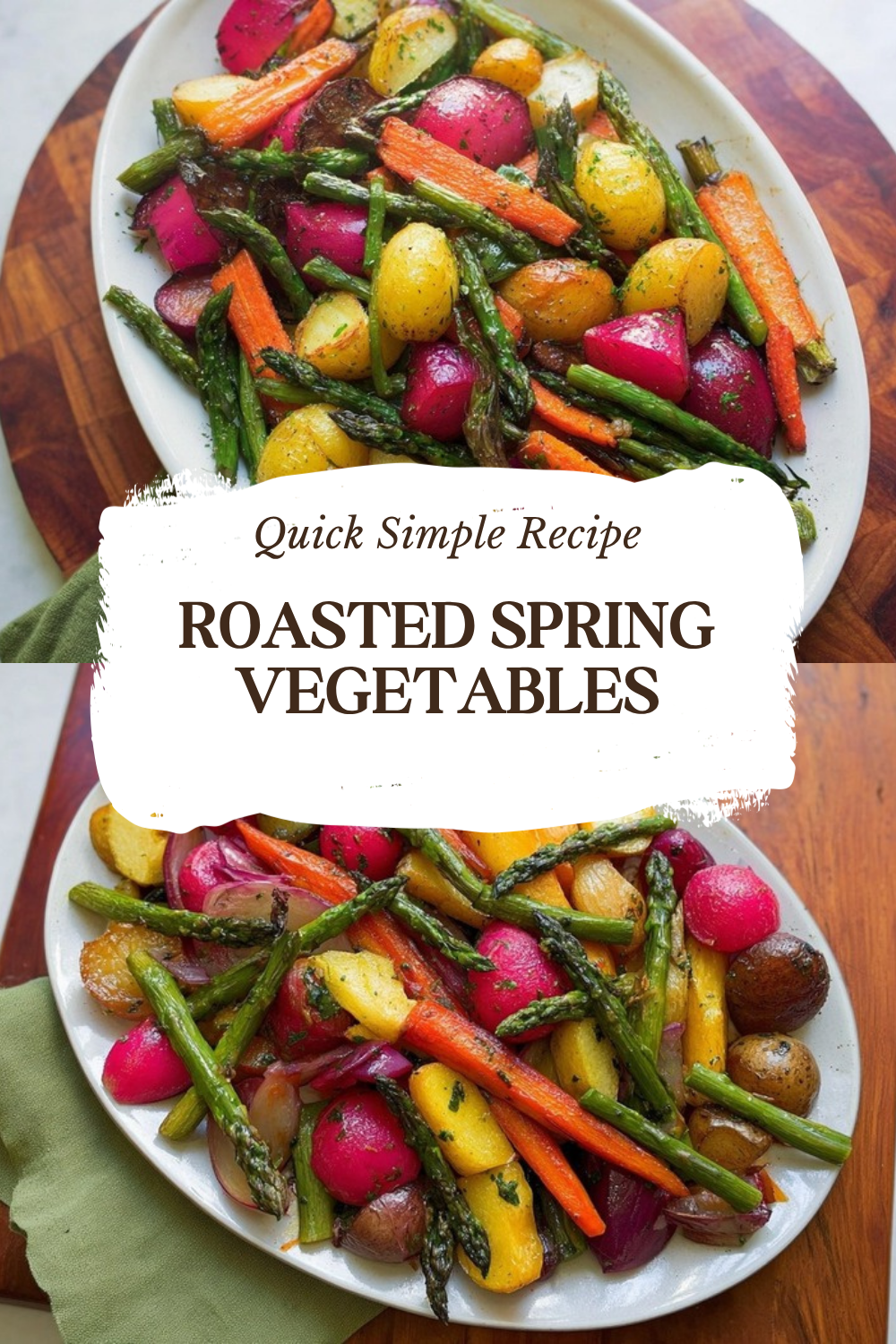
Serve the vegetables on a wide platter so the colors can stand out. Keep a few lemon slices on top for a fresh look, then finish with herbs just before bringing the dish to the table. The mix of golden potatoes, pale cauliflower, green asparagus, and soft leeks makes a very pretty side for Easter, Sunday dinner, or a backyard cookout.
Make-ahead options
You can wash and chop the vegetables earlier in the day, then store them in separate containers in the fridge. When it is time to cook, toss everything together and roast as directed. This is a smart move for busy weeknights, holiday meals, or meal prep Sundays. The recipe stays simple, but the final dish still tastes fresh and homemade.
How to Store Roasted Spring Vegetables: Best Practices
Roasted Spring Vegetables keep well, so they are a smart option for leftovers and meal prep. Let the vegetables cool fully before storing them. Once cool, place them in an airtight container and refrigerate for up to 5 days. If you plan to serve them later in the week, keep the herbs separate until just before eating so they stay fresh.
For reheating, spread the vegetables on a baking sheet and warm them in the oven at 425º F for 10 to 15 minutes. This helps bring back some of the roasted texture. The microwave works in a pinch, but the vegetables will soften more. Freezing is possible, but the texture of asparagus and cauliflower may change, so refrigeration is usually the better choice.
Meal prep is simple with this recipe because the vegetables taste good warm or at room temperature. You can pack them with grains, chicken, or fish for lunches, or use them as a side dish throughout the week.
Nutrition Snapshot for Roasted Spring Vegetables
Here is the nutritional information per serving for this Roasted Spring Vegetables recipe:
| Nutrient | Amount |
|---|---|
| Calories | 162 kcal |
| Carbohydrates | 31g |
| Protein | 5g |
| Fat | 3g |
| Sodium | 41mg |
| Potassium | 872mg |
| Fiber | 5g |
| Sugar | 3g |
| Vitamin A | 1055 IU |
| Vitamin C | 103.5 mg |
| Calcium | 95 mg |
| Iron | 2.8 mg |
This mix of vegetables offers a solid amount of fiber and vitamin C, with a light calorie count that fits many meal styles. If you are watching portions or just want a lighter side dish, this recipe gives you a lot of flavor for the size of the serving.
FAQs: Frequently Asked Questions About Roasted Spring Vegetables
Which vegetables should I roast first in a roasted spring vegetables recipe?
Start with heartier vegetables that need more time to become tender and caramelized. Roast potatoes or sweet potatoes, turnips, parsnips, rutabagas, peeled and chopped beets, cauliflower, radishes, carrots or baby carrots, and fennel for a full 35 minutes at 425°F. Preheat your oven and toss 1-2 pounds of chopped veggies (1-2 inch pieces) with 2-3 tablespoons olive oil, salt, pepper, and optional herbs like thyme or rosemary on a parchment-lined sheet pan in a single layer. This timing allows roots to soften without burning, while developing crispy edges. Stir halfway through for even cooking. These choices keep the dish balanced for spring flavors. (92 words)
What vegetables do I add in the last 10 minutes when roasting spring vegetables?
Add quicker-cooking, delicate spring greens during the final 10 minutes to avoid overcooking. Toss in asparagus (trimmed and cut into 2-inch pieces), broccoli or broccolini, snap peas or snow peas, and Swiss chard or rainbow chard stems and leaves. After the initial 35 minutes of roasting the heartier veggies at 425°F, scatter these on the pan, drizzle with a bit more oil if needed, and return to the oven. They’ll wilt slightly and pick up flavors from the pan juices. Total time is 45 minutes—check for bright color and crisp-tender texture. This method preserves freshness and nutrients in spring produce. (112 words)
What’s the oven temperature and total time for roasted spring vegetables?
Roast at 425°F for best results—high enough for browning without drying out. Total time is 45 minutes: 35 minutes for sturdy veggies like carrots, radishes, potatoes, and fennel, then add asparagus, peas, and greens for the last 10. Use a large sheet pan for 4-6 servings; overcrowding steams instead of roasts. Toss everything initially with olive oil (2-3 tbsp), kosher salt (1 tsp), pepper, and garlic powder. Flip at 20 minutes and again at 35. Veggies are done when fork-tender with charred spots. Let rest 5 minutes before serving warm as a side or salad base. This yields about 200 calories per serving with high fiber. (118 words)
Can I use sweet potatoes in roasted spring vegetables?
Yes, sweet potatoes work perfectly alongside regular potatoes in roasted spring vegetables—they roast for the full 35 minutes at 425°F. Chop into 1-2 inch cubes for even cooking, and add leeks at the same time for extra spring onion flavor. Toss with the first batch (potatoes, carrots, etc.) in olive oil and seasonings. Their natural sweetness balances the earthiness of roots like turnips or parsnips. If adding broccoli later, the sweet potatoes provide a hearty base. This swap keeps the dish vibrant and versatile; store leftovers in an airtight container in the fridge for 3-4 days or reheat at 350°F. Great for meal prep. (114 words)
How can I adapt roasted spring vegetables for fall?
Swap for fall produce while keeping the 425°F, 45-minute method. Roast sweet potatoes, Brussels sprouts (halved), and red onion wedges for 35 minutes first. Add broccoli florets and top with thin lemon slices for the last 10 minutes—the citrus brightens hearty flavors. Use 2-3 tbsp olive oil, salt, pepper, and sage or rosemary. This maintains crisp textures: roots caramelize, sprouts crisp up. Serves 4-6 as a Thanksgiving side. For more ideas, check our fall sheet pan dinners. Roasting preserves 90% of vitamins compared to boiling, per USDA data, making it a nutritious seasonal shift. Refrigerate leftovers up to 4 days. (109 words)

Roasted Spring Vegetables
🌱 Bursting with fresh spring flavors, these roasted veggies deliver caramelized crispness and nutrition in one easy pan – ideal for healthy sides!
🥔 Lemon-infused tenderness and vibrant colors make this seasonal recipe a must-try for light, flavorful meals everyone loves!
- Total Time: 45 minutes
- Yield: 6 servings
Ingredients
– 1 1/2 pounds new potatoes, quartered
– 4 cups cauliflower florets
– 2 large leeks, cut into half moons
– 1 to 2 tablespoons avocado oil or olive oil
– Sea salt, to taste
– Black pepper, to taste
– 1 pound asparagus, ends trimmed and cut into 2-inch pieces
– 1 lemon, thinly sliced
– Optional fresh herbs such as Italian parsley, dill, spring onions, or thyme
Instructions
1-First Step: Prep the oven and baking tray Preheat your oven to 425º F. Line a baking tray with parchment paper so cleanup stays simple and the vegetables do not stick. This higher heat is important because it helps the edges brown instead of steaming. If you are making a bigger batch, use two trays so the vegetables can sit in a single layer.
2-Second Step: Cut and arrange the first vegetables Place the quartered new potatoes, cauliflower florets, and sliced leeks on the tray in a single layer. Try not to pile them on top of each other. Crowding the pan traps moisture, and that makes the vegetables softer rather than nicely roasted. A little space between pieces helps them caramelize better.
3-Third Step: Season and roast the first round Drizzle the vegetables with 1 to 2 tablespoons of avocado oil or olive oil. Then season them with sea salt and black pepper to taste. Toss gently so every piece gets a light coating. Roast for 25 minutes, stirring once if you want more even browning. During this first stage, the potatoes begin to soften and the cauliflower starts turning golden.
4-Fourth Step: Add the asparagus and lemon After 25 minutes, carefully remove the tray from the oven. Add the asparagus pieces and toss them with the other vegetables so they pick up some of the oil and seasoning already on the pan. Lay the thin lemon slices on top. The lemon does more than add fragrance. It releases a sweet, fresh flavor as it roasts, which brightens the whole dish.
5-Final Step: Finish roasting and serve hot Return the tray to the oven and roast for another 10 minutes. The asparagus should look bright green and tender, while the potatoes and cauliflower should be browned at the edges and soft enough to pierce with a fork. If you are adding herbs, sprinkle them on just before serving so they stay fresh and colorful. Serve the vegetables hot as a side dish or pile them into a bowl as a simple vegetarian meal.
Last Step:
Please leave a rating and comment letting us know how you liked this recipe! This helps our business to thrive and continue providing free, high-quality recipes for you.Notes
🌿 Adjust roasting times for different veggies to keep them perfectly crisp.
🍋 Add lemon slices at the end for infused sweet, fresh zest.
📦 Refrigerate leftovers up to 5 days; reheat at 425°F for 10-15 min.
- Prep Time: 10 minutes
- Cook Time: 35 minutes
- Category: Side Dish
- Method: Roasting
- Cuisine: American
- Diet: Vegan
Nutrition
- Serving Size: 1.5 cups
- Calories: 162 kcal
- Sugar: 3 g
- Sodium: 41 mg
- Fat: 3 g
- Saturated Fat: 0.5 g
- Unsaturated Fat: 2.5 g
- Trans Fat: 0 g
- Carbohydrates: 31 g
- Fiber: 5 g
- Protein: 5 g
- Cholesterol: 0 mg


