

Why You’ll Love This Pie Crust Recipe
If you’re looking for a simple way to make delicious pie crust at home, this pie crust recipe is a game-changer. It’s straightforward and delivers that perfect balance of crispiness and fluffiness every time. Let me walk you through why it’s one of my favorites for beginners wanting an easy pie crust recipe.
- Ease of preparation: This pie crust recipe comes together in just about 10 minutes, with chilling time bringing the total to around an hour. You won’t need fancy tools just a food processor or a basic pastry blender makes it quick. That simplicity means even if you’re new to baking, you can whip up a homemade pie crust without stress, making it ideal for busy schedules and everyday cooking.
- Health benefits: Each serving packs in nutritional perks like 20g of carbohydrates and 15g of fat, providing steady energy without overloading on calories at just 232 per portion. The ingredients support wellness by using natural elements such as unsalted butter for flavor and flour for structure, while the low sodium content at 99mg helps those watching their intake. It’s a pie crust that fits into balanced meals, appealing to diet-conscious folks seeking quick homemade pie crust recipes that align with healthy eating.
- Versatility: This recipe adapts easily to various pies, from sweet fruit fillings to savory options, suiting everything from family dinners to special occasions. You can tweak it for different dietary needs, like making it gluten-free or vegan with simple swaps. That flexibility makes it a go-to pie crust choice for anyone, whether you’re a student grabbing a quick meal or a working professional experimenting with flavors.
- Distinctive flavor: What sets this pie crust recipe apart is its flaky texture and buttery taste that enhances any filling without overwhelming it. The use of cold butter creates those irresistible layers, giving a homemade touch that store-bought versions can’t match. It’s perfect for pie crust enthusiasts who appreciate that fresh-baked goodness in an easy pie crust recipe tailored for all skill levels.
By incorporating these elements, this pie crust stands out as a reliable option for your baking adventures. You’ll find it becomes a staple in your kitchen routine.
Jump To
- 1. Why You’ll Love This Pie Crust Recipe
- 2. Essential Ingredients for Pie Crust Recipe
- 3. How to Prepare the Perfect Pie Crust Recipe: Step-by-Step Guide
- 4. Dietary Substitutions to Customize Your Pie Crust Recipe
- 5. Mastering Pie Crust Recipe: Advanced Tips and Variations
- 6. How to Store Pie Crust Recipe: Best Practices
- 7. FAQs: Frequently Asked Questions About Pie Crust Recipe
- 8. Pie Crust Recipe
Essential Ingredients for Pie Crust Recipe
Gathering the right ingredients is key to nailing this pie crust recipe. Each one plays a specific role in creating that perfect texture and taste. Below, I’ll list them out clearly, along with a brief explanation of what they do, to help you understand why they’re important.
- 2 1/2 cups all-purpose flour, plus extra for dusting – This forms the base of the dough, providing structure and helping the crust hold its shape without becoming tough.
- 1/2 tablespoon sugar – Adds a subtle sweetness and aids in browning, enhancing the overall flavor of the pie crust.
- 1/2 teaspoon salt – Balances the sweetness and brings out the buttery notes, ensuring a well-rounded taste in your homemade pie crust.
- 1/2 pound cold unsalted butter (2 sticks), diced into 1/4 inch pieces – Creates those flaky layers when mixed, as the cold fat keeps the dough tender and prevents it from getting greasy.
- 7 tablespoons ice water (may use up to 8 tablespoons) – Binds the ingredients together without making the dough sticky, helping achieve the right moisture for a pliable pie crust recipe.
Special Dietary Options
To make this pie crust recipe adaptable, here are some easy swaps for different needs. These changes keep the essence of a quick homemade pie crust recipe while accommodating preferences.
- Vegan options: Swap the unsalted butter for plant-based butter or coconut oil in the same 1/2 pound amount; this keeps the dough flaky and ensures it’s dairy-free for those following a plant-based diet.
- Gluten-free alternatives: Use gluten-free all-purpose flour instead of regular flour, measuring 2 1/2 cups; it maintains the structure but requires a bit more water, up to 8 tablespoons, to handle the different texture.
- Low-calorie choices: Opt for a light butter substitute or reduce butter to 1/3 pound and add a touch more flour; this lowers the fat content while still creating a workable pie crust for beginners watching their calories.
How to Prepare the Perfect Pie Crust Recipe: Step-by-Step Guide
Making this pie crust recipe is straightforward, even if you’re just starting out. I’ll guide you through each part with clear steps, including tips for timing and adapting for different preferences. Remember, keeping everything cold is key to a great pie crust, so let’s dive in.
First Step: Start by combining the dry ingredients in a food processor bowl. Mix 2 1/2 cups all-purpose flour, 1/2 tablespoon sugar, and 1/2 teaspoon salt; pulse briefly for about 10 seconds until blended. For those with dietary needs, use gluten-free flour here and add an extra tablespoon of ice water later to keep it cohesive.
Second Step: Add the cold diced butter to the mixture. Use 1/2 pound of unsalted butter cut into 1/4-inch pieces; pulse the food processor until the mix looks like coarse crumbs with some pea-sized bits, which takes about 15 pulses. If going vegan, substitute with plant-based butter to maintain that flakiness in your pie crust recipe.
Third Step: Slowly incorporate the ice water. Pour in 7 tablespoons of ice water and pulse just until moist clumps form, testing by pinching the dough it should hold together without being sticky. This step takes around 10-20 seconds; add up to 1 more tablespoon if needed, but for low-calorie versions, use cold water sparingly to avoid excess moisture.
Fourth Step: Transfer the dough to a clean surface and gently form it. Gather it into a ball without kneading, as overmixing can make it tough; this helps preserve those butter pockets for flakiness. If your dough feels too dry, sprinkle a little more ice water, adapting for preferences like using a vegan substitute if required.
Fifth Step: Divide and chill the dough. Cut the ball in half, flatten each into a disk, wrap tightly in plastic, and refrigerate for at least 1 hour. This resting time, around 60 minutes, makes it easier to roll out; for make-ahead meals, you can chill it up to 3 days. Once ready, if it’s too firm, let it sit at room temperature for 10-20 minutes before proceeding, adjusting for dietary swaps as needed.
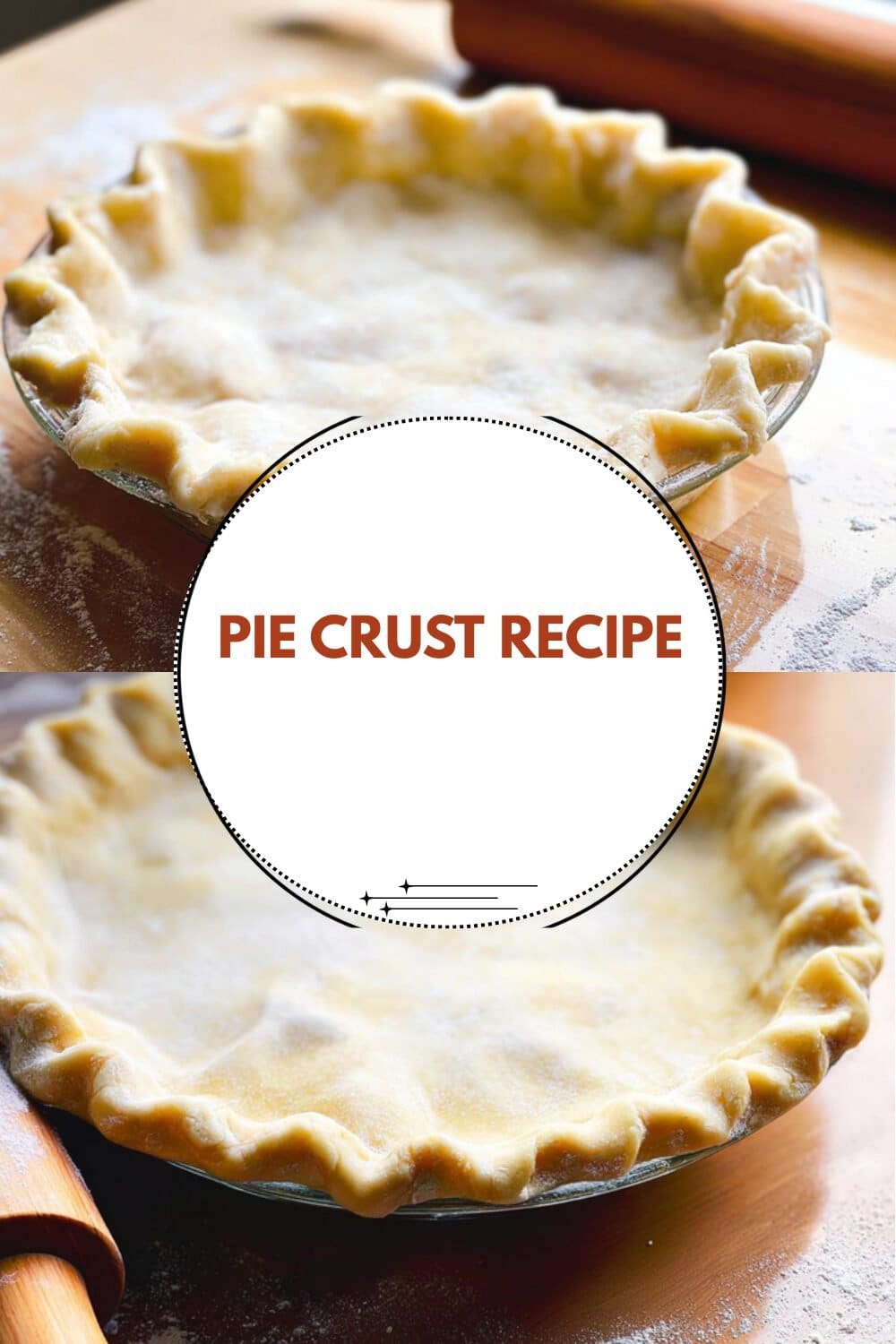
Sixth Step: Roll out the dough on a floured surface. Press the chilled disk into a 12-inch circle, then transfer it to your pie pan by wrapping it around the rolling pin and gently pressing it in. For variations, form a fluted rim by pinching the edges, and if blind baking, freeze the shaped crust for 30 minutes first.
Final Step: Bake as needed for your recipe. If pre-baking, line the crust with parchment, add weights, and bake at 425°F for 17 minutes, then remove weights and bake 5 more minutes until golden. Always cool completely before adding fillings, and remember to adapt temperatures for high-altitude baking or dietary needs to ensure your pie crust turns out just right.

Dietary Substitutions to Customize Your Pie Crust Recipe
Customizing this pie crust recipe for different diets is simple and effective. Below, I’ll cover strategies to swap ingredients based on your needs, keeping the essence of an easy pie crust recipe intact.
Protein and Main Component Alternatives
For those with specific restrictions, here are swaps for the main elements. You can replace the flour or butter to fit various diets while maintaining the pie crust’s texture.
- Use almond flour instead of all-purpose flour at 2 1/2 cups for a gluten-free option; this adds a nutty flavor and works well for low-carb diets, but watch for slight changes in dough stickiness and bake time.
- Swap butter with coconut oil in the 1/2 pound amount for vegan needs; it keeps the crust flaky and helps with those avoiding dairy, though you might need to chill it longer for the best Results.
- Opt for a low-fat butter substitute to reduce calories; use it in equal measures to preserve flakiness, ideal for diet-conscious bakers adjusting their pie crust recipe.
Vegetable, Sauce, and Seasoning Modifications
Adding or changing seasonings can enhance your pie crust without straying from the basics. Consider these tweaks for flavor and health benefits.
- Replace sugar with a natural sweetener like honey in the 1/2 tablespoon measure for a lower-glycemic option; it offers a similar sweetness while catering to those watching sugar intake, with no major change in baking time.
- Use herbs like rosemary for added savoriness, incorporating a pinch where salt goes; this boosts flavor for savory pies and is great for allergen-friendly diets, adjusting amounts based on taste preferences.
- Choose low-sodium salt alternatives to cut down on 99mg sodium; this makes the recipe heart-healthy while keeping the balance, and you can test for seasoning before pulsing the mixture.
Mastering Pie Crust Recipe: Advanced Tips and Variations
Taking your pie crust to the next level involves some expert techniques and creative twists. Let’s explore ways to refine your skills with this easy pie crust recipe. I’ll break it down into key areas for clearer guidance.
Pro Cooking Techniques
Focus on methods that improve texture, like keeping butter cold to create layers. For troubleshooting, if your crust shrinks, ensure proper chilling to relax the dough.
Flavor Variations
Experiment with seasonings, such as adding cinnamon for a sweet twist. These changes work for dietary needs, like vegan options, without altering core steps.
Presentation Tips
Enhance your pie with decorative edges and glazes. For make-ahead, prepare dough ahead and store it, adapting for busy schedules.
Make-Ahead Options
Dough lasts up to 3 days refrigerated or 3 months frozen. Thaw fully before use, and add best grilling tips for complementary meal ideas. This helps preserve the quick homemade pie crust recipe’s freshness.
How to Store Pie Crust Recipe: Best Practices
Proper storage keeps your pie crust fresh and flaky. Follow these guidelines to maintain quality over time.
- Refrigeration: Store unbaked dough in the fridge at 40°F for up to 3 days; wrap tightly to avoid drying out, making it easy for quick pie prep.
- Freezing: Freeze disks for up to 3 months in airtight wrap; thaw in the fridge overnight before use to keep that pie crust recipe texture intact.
- Reheating: Warm baked crust at 350°F for 5 minutes; this retains crispness and is safe for leftovers, ideal for meal prep.
- Meal prep considerations: Portion dough for multiple uses and store in batches; this saves time for busy parents and enhances versatility in your routine.
FAQs: Frequently Asked Questions About Pie Crust Recipe
How do I make a flaky pie crust from scratch?
To make a flaky pie crust, start by mixing cold flour and salt, then cut in chilled butter until the mixture resembles coarse crumbs with pea-sized pieces. Add ice-cold water one tablespoon at a time, mixing gently just until the dough holds together. Avoid overworking to keep the crust tender. Chill the dough for at least 30 minutes before rolling out. This process helps create layers that bake into a flaky texture.
What should I do if my pie dough is too sticky or too dry?
If the dough is sticky, sprinkle in a small amount of flour and gently knead until manageable. For dry dough that cracks when rolled, add ice water a teaspoon at a time and mix lightly. Avoid adding too much water to prevent a tough crust. Resting the dough in the fridge helps hydrate the flour evenly and makes it easier to handle.
Why should I chill pie dough before baking?
Chilling pie dough solidifies the butter, which prevents it from melting too quickly in the oven, producing flaky layers. It also relaxes the gluten in the flour, reducing shrinkage during baking. Refrigerate for at least 30 minutes or up to 24 hours wrapped tightly to maintain moisture balance and improve texture.
Can I use alternatives if I don’t have pie weights for blind baking?
Yes, dry beans or uncooked rice are common substitutes for pie weights during blind baking. Place parchment or foil over the dough crust and fill with beans or rice to prevent bubbling and shrinking. Note that beans can be reused afterward but should not be cooked, while rice may become toasted and is best discarded or used separately.
How long and at what temperature should I blind bake a pie crust?
Preheat your oven to 425°F (220°C). Freeze the shaped dough for 30 minutes, then line it with parchment and fill with pie weights. Bake for 15 to 20 minutes until the edges begin to turn golden. Remove the weights and parchment, then bake an additional 5 to 7 minutes to dry the crust fully. Cooling completely before filling helps maintain a crisp bottom.

Pie Crust Recipe
🥧 This easy pie crust recipe helps you create perfectly flaky and buttery bases for your homemade pies.
⏱️ Quick to prepare and simple to use, it’s an essential recipe for hassle-free baking at home.
- Total Time: 1 hour 10 minutes
- Yield: 2 pie crusts (for two 9-10 inch pies)
Ingredients
– 2 1/2 cups all-purpose flour plus extra for dusting for structure and shape
– 1/2 tablespoon sugar for sweetness and browning
– 1/2 teaspoon salt for balancing sweetness and enhancing buttery notes
– 1/2 pound cold unsalted butter (2 sticks) diced into 1/4 inch pieces for flaky layers and tenderness
– 7 tablespoons ice water (may use up to 8 tablespoons) for binding ingredients without stickiness
Instructions
1-First Step: Start by combining the dry ingredients in a food processor bowl. Mix 2 1/2 cups all-purpose flour, 1/2 tablespoon sugar, and 1/2 teaspoon salt; pulse briefly for about 10 seconds until blended. For those with dietary needs, use gluten-free flour here and add an extra tablespoon of ice water later to keep it cohesive.
2-Second Step: Add the cold diced butter to the mixture. Use 1/2 pound of unsalted butter cut into 1/4-inch pieces; pulse the food processor until the mix looks like coarse crumbs with some pea-sized bits, which takes about 15 pulses. If going vegan, substitute with plant-based butter to maintain that flakiness in your pie crust recipe.
3-Third Step: Slowly incorporate the ice water. Pour in 7 tablespoons of ice water and pulse just until moist clumps form, testing by pinching the dough it should hold together without being sticky. This step takes around 10-20 seconds; add up to 1 more tablespoon if needed, but for low-calorie versions, use cold water sparingly to avoid excess moisture.
4-Fourth Step: Transfer the dough to a clean surface and gently form it. Gather it into a ball without kneading, as overmixing can make it tough; this helps preserve those butter pockets for flakiness. If your dough feels too dry, sprinkle a little more ice water, adapting for preferences like using a vegan substitute if required.
5-Fifth Step: Divide and chill the dough. Cut the ball in half, flatten each into a disk, wrap tightly in plastic, and refrigerate for at least 1 hour. This resting time, around 60 minutes, makes it easier to roll out; for make-ahead meals, you can chill it up to 3 days. Once ready, if it’s too firm, let it sit at room temperature for 10-20 minutes before proceeding, adjusting for dietary swaps as needed.
6-Sixth Step: Roll out the dough on a floured surface. Press the chilled disk into a 12-inch circle, then transfer it to your pie pan by wrapping it around the rolling pin and gently pressing it in. For variations, form a fluted rim by pinching the edges, and if blind baking, freeze the shaped crust for 30 minutes first.
7-Final Step: Bake as needed for your recipe. If pre-baking, line the crust with parchment, add weights, and bake at 425°F for 17 minutes, then remove weights and bake 5 more minutes until golden. Always cool completely before adding fillings, and remember to adapt temperatures for high-altitude baking or dietary needs to ensure your pie crust turns out just right.
Last Step:
Please leave a rating and comment letting us know how you liked this recipe! This helps our business to thrive and continue providing free, high-quality recipes for you.Notes
🧊 Keep butter very cold and handle minimally to maintain flakiness.
🥄 Use a pastry cutter or pulse method to achieve coarse crumbs without overworking dough.
🌡️ Let dough rest at room temperature if too firm after chilling before rolling out.
- Prep Time: 10 minutes
- Chilling time: 1 hour
- Category: Baking, Dessert
- Method: Rolling and chilling
- Cuisine: American
- Diet: Vegetarian
Nutrition
- Serving Size: 1 serving
- Calories: 232
- Sugar: 1g approximate
- Sodium: 99mg
- Fat: 15g
- Saturated Fat: 9g
- Carbohydrates: 20g
- Protein: 2g
- Cholesterol: 40mg


