

Why You’ll Love This Pie Crust Recipe
There is nothing quite like the satisfaction of pulling a golden, homemade pie out of the oven, but the secret to that perfect dessert starts with the crust. This easy flaky butter pie crust recipe is designed to take the intimidation out of baking. Whether you are a seasoned baker or trying your hand at dough for the first time, this method delivers consistent, delicious results that will elevate your favorite fillings.Ease of preparation
Many home cooks shy away from making their own dough because they think it requires complex skills or hours of labor. This recipe breaks that myth entirely. With just a few basic ingredients and simple steps, you can have a ready-to-bake crust in under 30 minutes, plus chilling time. The instructions are straightforward, focusing on technique rather than fancy equipment, so you can focus on the joy of baking rather than stressing over the process.Health benefits
Making your own pastry allows you to control exactly what goes into your food. Unlike store-bought versions that often contain preservatives, hydrogenated oils, and excessive sodium, this homemade pie crust uses real, wholesome ingredients. By using high-quality butter and unbleached flour, you avoid trans fats and artificial additives. It is a cleaner way to enjoy your favorite treats, and you can even adjust the sugar or salt content to suit your specific dietary needs without sacrificing flavor.Versatility
This flaky pie crust is incredibly adaptable and serves as the perfect canvas for a wide variety of culinary creations. It works beautifully for sweet classics like apple, cherry, or pumpkin pie, but it is equally robust enough for savory dishes such as savory tarts and pot pies. The neutral, buttery flavor complements both fruit and meat fillings without overpowering them, making it a staple recipe you will turn to again and again for any meal of the day.Distinctive flavor
The standout feature of this recipe is undoubtedly its rich, buttery taste and superior texture. While shortening can produce flakiness, it lacks the depth of flavor that only butter provides. This all butter crust strikes the perfect balance, creating light, delicate layers that shatter pleasantly with every bite. The result is a pie pastry that tastes as good as it looks, providing a gourmet experience that frozen crusts simply cannot match.Jump To
- 1. Why You’ll Love This Pie Crust Recipe
- 2. Essential Ingredients for Pie Crust Recipe
- 3. How to Prepare the Perfect Pie Crust Recipe: Step-by-Step Guide
- 4. Dietary Substitutions to Customize Your Pie Crust Recipe
- 5. Mastering Pie Crust Recipe: Advanced Tips and Variations
- 6. How to Store Pie Crust Recipe: Best Practices
- 7. FAQs: Frequently Asked Questions About Pie Crust Recipe
- 8. Pie Crust Recipe
Essential Ingredients for Pie Crust Recipe
Creating the perfect pie dough relies heavily on using the right components and keeping them at the correct temperature. Below is a detailed breakdown of what you need to make a classic 9-inch double crust.Main Ingredients
- 2 ½ cups all-purpose flour – The structure of the crust, providing the necessary gluten network.
- 1 teaspoon salt – Essential for flavor enhancement and balancing the sweetness of fillings.
- 1 tablespoon sugar (optional) – Adds a subtle sweetness and helps with browning, perfect for fruit pies.
- 1 cup cold unsalted butter (cut into ½-inch cubes) – Creates the flaky layers by melting into steam pockets during baking.
- 6-8 tablespoons ice water – Binds the dough together without activating too much gluten.
Special Dietary Options
- Vegan: Substitute the unsalted butter with high-quality cold plant-based butter sticks or coconut oil. Ensure the substitute is solid and cold to maintain flakiness.
- Gluten-free: Replace the all-purpose flour with a 1-to-1 gluten-free baking flour blend that contains xanthan gum. Note that the texture may be slightly more delicate.
- Low-calorie: While difficult to reduce calories significantly in pastry without affecting texture, you can use a mix of butter and Greek yogurt for a lighter version, though it will be less flaky.
How to Prepare the Perfect Pie Crust Recipe: Step-by-Step Guide
Follow these detailed instructions to achieve a tender, flaky crust every time. Precision and temperature control are the keys to success with this pie dough.First Step: Preparation and Mise en Place
Before you begin, measure your ingredients precisely. For the flour, spoon it into your measuring cup and level it off with a knife rather than scooping directly, which prevents packing and adding too much flour. Cut your cold butter into ½-inch cubes and place them back in the fridge. Fill a measuring cup with water and add ice cubes to ensure it is freezing cold. Having everything ready and chilled is crucial for preventing the butter from melting before it hits the oven.Second Step: Mixing Dry Ingredients
In a large bowl (or the bowl of a food processor), whisk together the 2 ½ cups of all-purpose flour, 1 teaspoon of salt, and 1 tablespoon of sugar (if using). Whisking ensures these dry ingredients are evenly distributed before the fat is added. If you are using a food processor, pulse these dry ingredients about 5 times to combine them evenly. This step creates a uniform base for your pastry.Third Step: Cutting in the Butter
Add the cold cubed butter to the flour mixture. If using a food processor, pulse 10-12 times until the mixture looks like coarse meal with some pea-sized chunks of butter remaining. If mixing by hand, use a pastry blender or two knives to cut the butter into the flour until it reaches the same texture. It is vital that you see small pieces of butter; these chunks are what create the flaky layers as they melt in the oven.Fourth Step: Adding Ice Water
Drizzle the ice water over the flour and butter mixture, one tablespoon at a time. Start with 6 tablespoons. Pulse the food processor or gently toss with a fork after each addition. Stop adding water as soon as the dough starts to clump together and hold a shape when pinched. It should not be sticky or wet. Overhydrating the dough leads to toughness. If it is still too dry after 8 tablespoons, add just a tiny bit more water, but proceed with caution.Fifth Step: Forming the Dough Discs
Turn the dough out onto a lightly floured surface. It will look shaggy, but that is normal. Gently press the dough together, divide it in half, and form each half into a flat disc. Wrap each disc tightly in plastic wrap. This shape makes it easier to roll out later. Pressing rather than kneading is important here; you want to avoid developing gluten which makes the crust chewy rather than tender.Final Step: Chilling and Rolling
Refrigerate the dough discs for at least 1 hour. This rest allows the gluten to relax and the butter to firm up again, which ensures the crust rolls out easily and stays flaky. When ready to bake, let the dough sit at room temperature for 5-10 minutes to soften slightly. On a floured surface, roll one disc out to a 12-inch circle, about ⅛-inch thick. Transfer it to your pie plate, trim the edges, fill, and proceed with your pie recipe.Pro Tip: If at any point the dough becomes soft or sticky while rolling, stop and put it back in the fridge for 15 minutes. Keeping the butter cold is the golden rule of pie making.

Dietary Substitutions to Customize Your Pie Crust Recipe
Adapting recipes to fit specific dietary needs or preferences is simple with this versatile base. Here are some common swaps to keep in mind.Protein and Main Component Alternatives
The primary component in this recipe is the fat, which provides the structure and flavor. While unsalted butter is the standard for its rich taste, you can experiment with different fats. For those who cannot have dairy, cold coconut oil or solid vegetable shortening serves as a direct substitute. Lard is another traditional option that produces an incredibly flaky crust, though it has a distinct savory flavor. If you are looking for a dairy-free option that still browns well, look for plant-based butter sticks specifically designed for baking, as tub spreads often contain too much water.Vegetable, Sauce, and Seasoning Modifications
While this is a basic pastry, you can infuse flavors directly into the dough to complement specific fillings. For a savory pie crust, try adding finely minced fresh herbs like rosemary, thyme, or sage to the flour mixture. Grated hard cheeses like Parmesan or cheddar can also be added for a cheesy crust that works wonders with quiches. On the sweet side, a teaspoon of cinnamon or citrus zest mixed into the dry ingredients can add a delightful aroma. If you need to reduce sodium, simply lower the amount of salt or eliminate it entirely, especially if your filling is already salty.Mastering Pie Crust Recipe: Advanced Tips and Variations
Once you have mastered the basic technique, these advanced tips will help you refine your skills and add creative twists to your baking.Pro cooking techniques
For the ultimate flaky texture, consider “blind baking” your crust if you are using a wet filling. This involves baking the crust partially or fully before adding the filling. To do this, line the rolled-out dough with parchment paper and fill it with pie weights or dried beans. This prevents the bottom from puffing up. Another technique is to freeze the shaped pie crust in the pan for 30 minutes before baking. This solidifies the fat, ensuring distinct layers when it hits the hot oven heat.Flavor variations
Beyond herbs and cheese, you can change the profile of your crust by swapping out part of the all-purpose flour for whole wheat flour, nut flours, or cornmeal. Using ½ cup of cornmeal in place of regular flour adds a crunchy texture and a rustic corn flavor that pairs perfectly with berry pies. For a nutty twist, almond flour adds richness and a golden color. Experimenting with different types of sugar, like brown sugar or turbinado, can also alter the crust’s flavor profile and browning characteristics.Presentation tips
The look of the pie is just as important as the taste. For a professional finish, use a fork to crimp the edges or pinch them between your thumb and forefinger to create a classic scalloped edge. You can also create a lattice top or use cookie cutters to cut shapes out of the top crust for a decorative vent. Brushing the top crust with an egg wash mixed with a tablespoon of water or milk will give it a beautiful, glossy shine. Sprinkle coarse sugar on top for a sweet, sparkling finish that adds texture.Make-ahead options
Pie dough is an excellent candidate for meal prep. You can double or triple the recipe and freeze the dough discs for up to 3 months. Simply wrap them tightly in plastic wrap and then place them in a freezer bag. When you are ready to bake, thaw the dough overnight in the refrigerator. You can also fully assemble a pie, freeze it unbaked, and bake it straight from the freezer, adding a few extra minutes to the baking time. This is a huge time-saver during the busy holiday season.How to Store Pie Crust Recipe: Best Practices
Proper storage ensures your hard work does not go to waste. Whether you have extra dough or leftover pie, these guidelines will keep it fresh.Refrigeration
Freshly made pie dough can be stored in the refrigerator for up to 3 days. Keep it wrapped tightly in plastic wrap to prevent it from drying out or absorbing odors from other foods. If you have already rolled out the dough and lined your pie pan, you can wrap the entire pan in plastic and chill it for up to a day before filling and baking. This resting period actually improves the texture by allowing the gluten to relax fully.Freezing
For long-term storage, freezing is the best option. As mentioned, dough discs freeze beautifully for up to 3 months. If you have baked a pie shell and have leftovers, wrap the cooled shell tightly in plastic wrap followed by aluminum foil. It can be frozen for up to 2 months. To use a frozen baked shell, you can thaw it at room temperature or fill it and bake immediately, adjusting the time as needed. If you have a leftover baked pie, wrap individual slices or the whole pie and freeze for up to 3 months.Reheating
To recrisp a refrigerated or frozen pie crust, place it in a preheated oven at 375°F (190°C) for about 10-15 minutes. This helps to revive the flakiness that may have softened in the fridge. Avoid microwaving pie crusts, as this makes them soggy and tough. If reheating a whole pie, cover the edges loosely with foil to prevent them from burning while the center heats through.Meal prep considerations
Batch processing is a smart strategy. Make several batches of dough at once, roll them into discs, and freeze them. Label each package with the date and type of crust (e.g., “Sweet” or “Savory”) so you can grab exactly what you need. This makes it easy to whip up a last-minute quiche or dessert on a weeknight without the mess of making dough from scratch every time.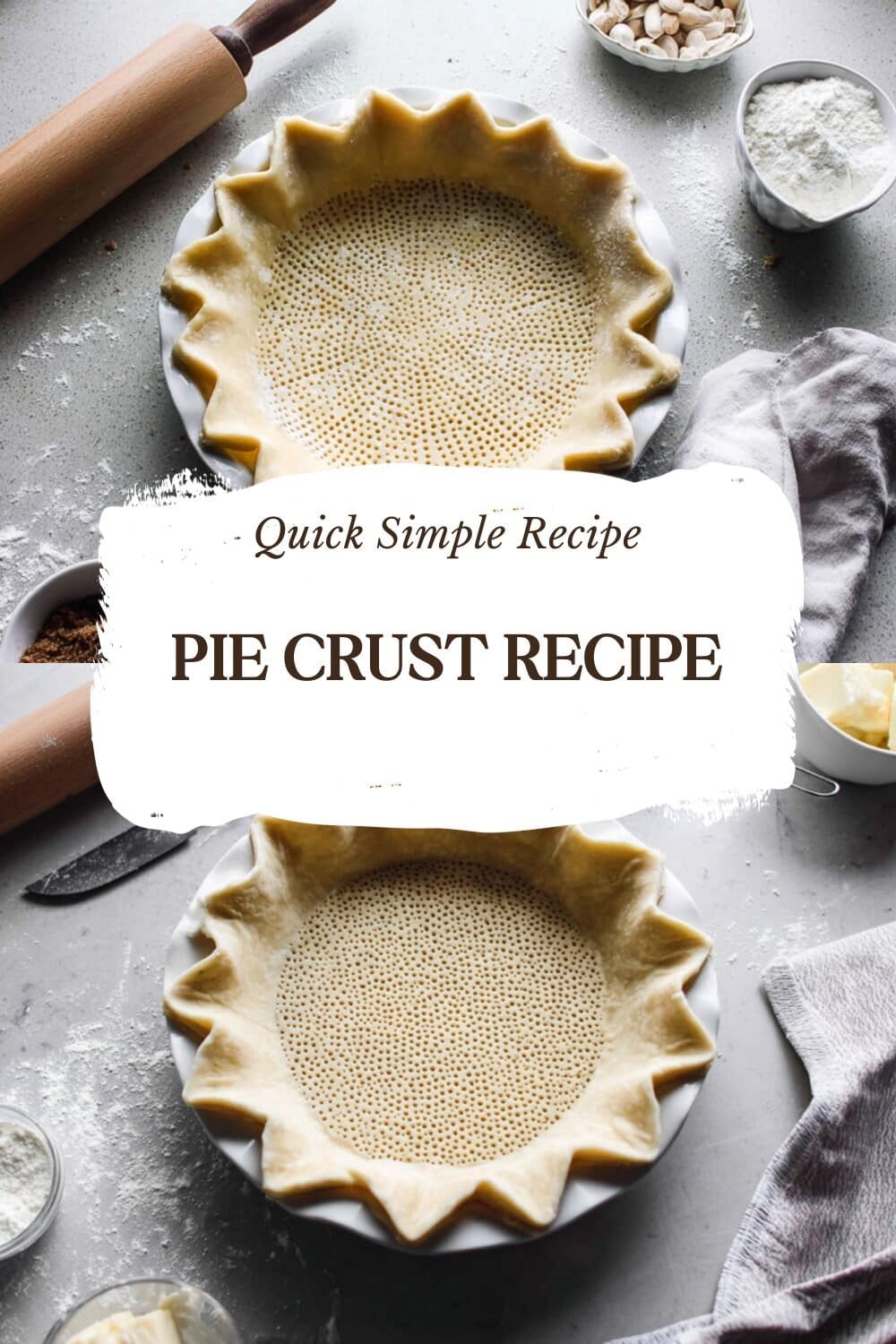
FAQs: Frequently Asked Questions About Pie Crust Recipe
What ingredients do I need for a basic pie crust recipe?
For a classic 9-inch double pie crust, gather 2 ½ cups all-purpose flour, 1 teaspoon salt, 1 tablespoon sugar (optional for sweet pies), 1 cup cold unsalted butter (cut into ½-inch cubes), and 6-8 tablespoons ice water. Use high-quality butter for flaky texture—avoid margarine. Measure flour by spooning into the cup and leveling with a knife to prevent packing. Chill all ingredients and tools beforehand. This simple mix yields tender, buttery results. Mix dry ingredients first, cut in butter until pea-sized crumbs form, then add water gradually until dough just holds together. Yields enough for one double-crust pie or two single-crusts. Prep time: 15 minutes plus chilling. (78 words)
How do I make pie crust from scratch step by step?
Start with cold ingredients: pulse flour, salt, and sugar in a food processor 5 times. Add cubed cold butter; pulse 10-12 times until crumbly like coarse meal. Drizzle ice water one tablespoon at a time, pulsing until dough forms a ball—don’t overmix. Divide into two discs, wrap in plastic, and chill 1 hour. On floured surface, roll one disc to 12-inch circle, ⅛-inch thick. Fold gently, transfer to pie plate, trim edges. Fill, top with second crust, crimp edges, cut vents. Chill 30 minutes before baking at 375°F for 40-50 minutes. Pro tip: Handle minimally for flakiness. (112 words)
Why is my pie crust tough and how can I fix it?
Tough pie crust usually results from overworking dough, warm ingredients, or too much water/gluten development. Butter must stay cold to create steam pockets for flakiness—melted fat leads to dense texture. Fix by using ice water, chilling dough 1-2 hours, and handling lightly with fingertips or processor. If dough warms, refrigerate midway. Substitute part shortening for tenderness if butter alone toughens. Next time, measure water precisely and stop mixing when dough clumps. For repairs, patch cracks with scraps before baking. Test doneness when golden and firm. These steps turn chewy crusts into light, crisp ones every bake. (98 words)
How do I prevent pie crust from shrinking in the oven?
Pie crust shrinks from excess moisture, high oven heat, or poor structure. Drape dough loosely in pie plate, leaving 1-inch overhang—trim tightly later. Chill assembled crust 30 minutes to relax gluten. Prick bottom with fork (docking) or weigh down with parchment and pie weights/beans for blind baking at 425°F first 15 minutes. Lower to 375°F. Avoid stretching dough up sides. For fruit pies, add cornstarch-thickened filling to absorb juices. Let cool fully before cutting. This method keeps sides upright and bottom crisp, perfect for quiches or pumpkin pie. Shrinkage drops by 80% with these habits. (102 words)
Can I make pie crust ahead and freeze it?
Yes, pie crust freezes well up to 3 months. Prepare dough discs, wrap tightly in plastic then foil, label with date. Thaw overnight in fridge before rolling—don’t defrost at room temp to avoid sogginess. For baked shells, cool completely, wrap, and freeze up to 2 months; bake from frozen at 375°F, adding 5-10 minutes. Formed crusts in plates freeze too: fill after thawing. This saves time for holidays. Quick-thaw tip: microwave dough 10 seconds if rushed, but chill after. Results stay flaky—testers find no texture difference from fresh. Stock up for apple or pecan pies anytime. (96 words)

Pie Crust Recipe
🥧 Achieve restaurant-quality flaky layers with rich butter flavor for your favorite pies and tarts.
🥧 Foolproof technique using minimal ingredients—perfect base for sweet or savory fillings!
- Total Time: 1 hour 15 minutes
- Yield: 1 single 9-inch crust
Ingredients
– 2 ½ cups all-purpose flour
– 1 teaspoon salt
– 1 tablespoon sugar (optional)
– 1 cup cold unsalted butter (cut into ½-inch cubes)
– 6-8 tablespoons ice water
Instructions
1-First Step: Preparation and Mise en Place Before you begin, measure your ingredients precisely. For the flour, spoon it into your measuring cup and level it off with a knife rather than scooping directly, which prevents packing and adding too much flour. Cut your cold butter into ½-inch cubes and place them back in the fridge. Fill a measuring cup with water and add ice cubes to ensure it is freezing cold. Having everything ready and chilled is crucial for preventing the butter from melting before it hits the oven.
2-Second Step: Mixing Dry Ingredients In a large bowl (or the bowl of a food processor), whisk together the 2 ½ cups of all-purpose flour, 1 teaspoon of salt, and 1 tablespoon of sugar (if using). Whisking ensures these dry ingredients are evenly distributed before the fat is added. If you are using a food processor, pulse these dry ingredients about 5 times to combine them evenly. This step creates a uniform base for your pastry.
3-Third Step: Cutting in the Butter Add the cold cubed butter to the flour mixture. If using a food processor, pulse 10-12 times until the mixture looks like coarse meal with some pea-sized chunks of butter remaining. If mixing by hand, use a pastry blender or two knives to cut the butter into the flour until it reaches the same texture. It is vital that you see small pieces of butter; these chunks are what create the flaky layers as they melt in the oven.
4-Fourth Step: Adding Ice Water Drizzle the ice water over the flour and butter mixture, one tablespoon at a time. Start with 6 tablespoons. Pulse the food processor or gently toss with a fork after each addition. Stop adding water as soon as the dough starts to clump together and hold a shape when pinched. It should not be sticky or wet. Overhydrating the dough leads to toughness. If it is still too dry after 8 tablespoons, add just a tiny bit more water, but proceed with caution.
5-Fifth Step: Forming the Dough Discs Turn the dough out onto a lightly floured surface. It will look shaggy, but that is normal. Gently press the dough together, divide it in half, and form each half into a flat disc. Wrap each disc tightly in plastic wrap. This shape makes it easier to roll out later. Pressing rather than kneading is important here; you want to avoid developing gluten which makes the crust chewy rather than tender.
6-Final Step: Chilling and Rolling Refrigerate the dough discs for at least 1 hour. This rest allows the gluten to relax and the butter to firm up again, which ensures the crust rolls out easily and stays flaky. When ready to bake, let the dough sit at room temperature for 5-10 minutes to soften slightly. On a floured surface, roll one disc out to a 12-inch circle, about ⅛-inch thick. Transfer it to your pie plate, trim the edges, fill, and proceed with your pie recipe.
Last Step:
Please leave a rating and comment letting us know how you liked this recipe! This helps our business to thrive and continue providing free, high-quality recipes for you.Notes
🧊 Keep butter and water ice-cold to create steam pockets for flakiness.
🤲 Handle dough minimally to preserve butter pieces and tenderness.
❄️ Make ahead: Dough freezes well for up to 3 months; thaw overnight in fridge.
- Prep Time: 15 minutes
- Chill Time: 1 hour
- Category: Dessert
- Method: Chilling
- Cuisine: American
- Diet: Vegetarian
Nutrition
- Serving Size: 1 crust
- Calories: 1400
- Sugar: 0g
- Sodium: 1200mg
- Fat: 100g
- Saturated Fat: 62g
- Unsaturated Fat: 32g
- Trans Fat: 0g
- Carbohydrates: 100g
- Fiber: 4g
- Protein: 14g
- Cholesterol: 245mg


