

Why You’ll Love This Oatmeal Raisin Cookies
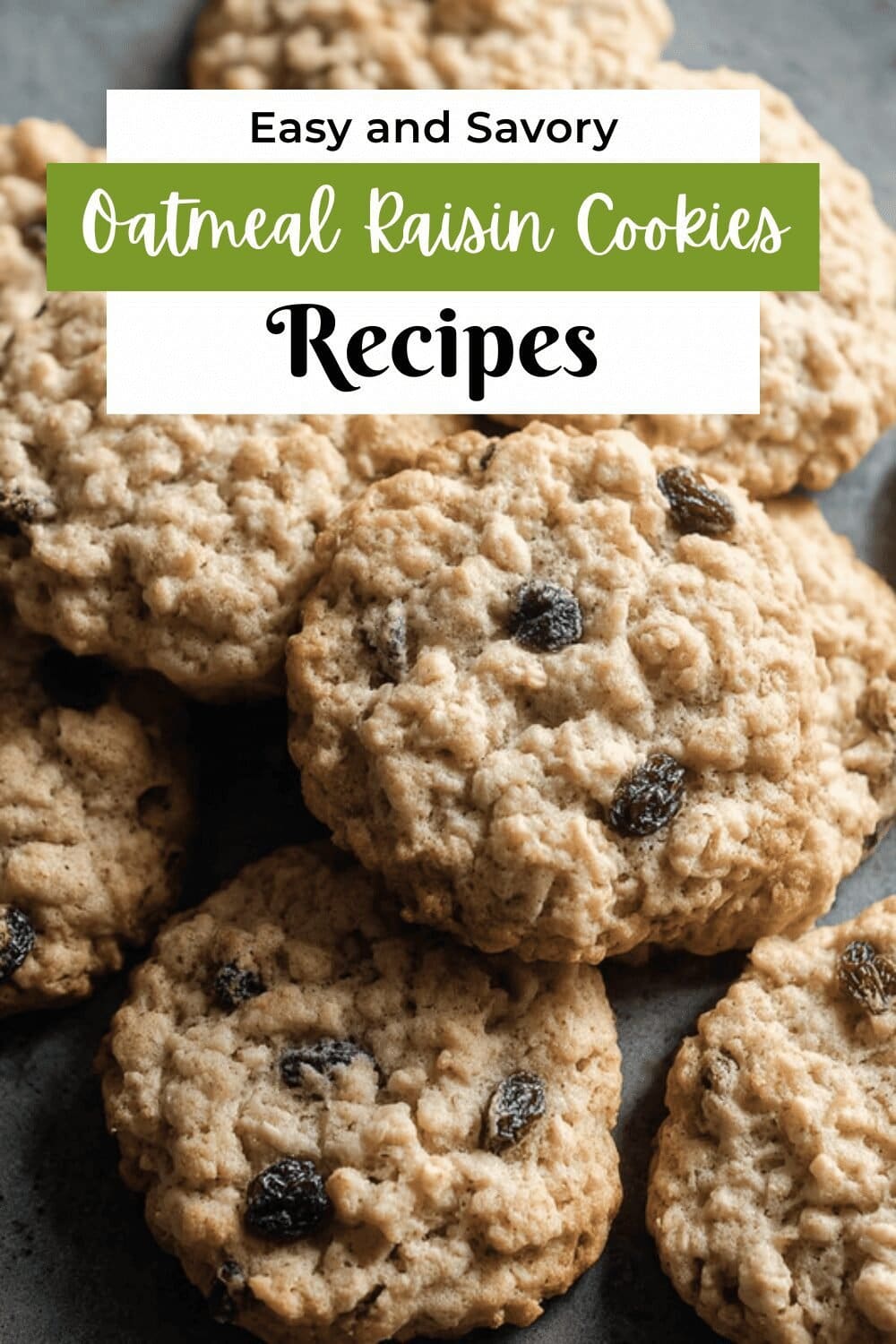
Oatmeal raisin cookies are a timeless favorite for home bakers, and this soft and chewy recipe is no exception. With its heartwarming blend of flavor and texture, it’s perfect for quick treats that hit the spot after a barbecue session or just as an everyday snack. Let’s dive into what makes it so appealing, drawing from its ease, health perks, and adaptability.
This oatmeal raisin cookies recipe is wonderfully simple and quick, requiring minimal ingredients and straightforward steps. Even novice bakers can achieve perfect results with efficient mixing and baking times under 20 minutes. Packed with fiber-rich oats and antioxidant-laden raisins, these cookies support digestive health and provide sustained energy, making them a great choice for busy parents or working professionals who want a wholesome bite.
Adaptable for various dietary needs, this oatmeal raisin cookies recipe can easily be modified to suit vegan, gluten-free, or low-calorie diets by substituting specific ingredients. Its distinctive flavor from the delightful combination of chewy oats and natural sweetness of raisins stands out among traditional cookie recipes. Whether you’re a student grabbing a quick study snack or a senior enjoying a gentle treat, these cookies bring that comforting homemade feel to any day.
Beyond taste, these cookies offer versatility for food enthusiasts, like adding them to lunchboxes for travelers or pairing with teas for newlyweds. They fit into balanced diets for diet-conscious individuals too, blending indulgence with nutrition. So, whether you’re a baking enthusiast or just someone looking for a reliable recipe, this one checks all the boxes for a soft, chewy delight.
Jump To
- 1. Why You’ll Love This Oatmeal Raisin Cookies
- 2. Essential Ingredients for Oatmeal Raisin Cookies
- 3. How to Prepare the Perfect Oatmeal Raisin Cookies: Step-by-Step Guide
- 4. Dietary Substitutions to Customize Your Oatmeal Raisin Cookies
- 5. Mastering Oatmeal Raisin Cookies: Advanced Tips and Variations
- 6. How to Store Oatmeal Raisin Cookies: Best Practices
- 7. FAQs: Frequently Asked Questions About Oatmeal Raisin Cookies
- 8. Oatmeal Raisin Cookies
Essential Ingredients for Oatmeal Raisin Cookies
To create the best oatmeal raisin cookies, start with quality ingredients that bring out that irresistible soft and chewy texture. This section outlines everything you need, based on a complete recipe that ensures fantastic results every time. We’ll use a structured list for clarity, so you can grab your ingredients with ease.
- 1 cup unsalted butter
- 1 cup packed light or dark brown sugar
- 1/4 cup granulated sugar
- 2 large eggs
- 2 teaspoons pure vanilla extract
- 1 tablespoon unsulphured or dark molasses
- 1 and 2/3 cups all-purpose flour
- 1 teaspoon baking soda
- 1 and 1/2 teaspoons ground cinnamon
- 1/2 teaspoon salt
- 3 cups old-fashioned whole rolled oats
- 1 cup raisins (soaked in warm water for 10 minutes and dried, optional)
- Optional: 1/2 cup chopped toasted walnuts
These ingredients form the backbone of your oatmeal raisin cookies, from the butter that adds richness to the oats that provide that signature chew. For special dietary options, remember you can swap butter with coconut oil for vegan versions or use gluten-free flour blends to accommodate other needs.
How to Prepare the Perfect Oatmeal Raisin Cookies: Step-by-Step Guide
Getting the hang of baking oatmeal raisin cookies is all about following simple, clear steps that lead to soft and chewy results. This guide draws from tried-and-true methods to help you mix, bake, and enjoy your treats with minimal fuss. Whether you’re a weekend grill master taking a break from the BBQ, it’s a fun way to explore baking.
First, preheat the oven to 350°F (175°C) and line a baking sheet with parchment paper. Prepare all ingredients by measuring accurately to set yourself up for success. In a mixing bowl, cream the softened butter and brown sugar until light and fluffy, enhancing the texture of your oatmeal raisin cookies.
Beat in the eggs one at a time, ensuring each is fully incorporated for a uniform dough. Add vanilla and molasses, mixing on high until combined, which helps build that deep flavor. In a separate bowl, whisk together the all-purpose flour, baking soda, cinnamon, and salt to evenly distribute leavening and spices.
Gradually add the dry ingredients to the wet mixture, mixing until just combined to avoid tough cookies. Fold in the rolled oats and raisins carefully to retain their texture and ensure even distribution. For vegan or gluten-free adaptations, substitute eggs and flour at this stage to maintain proper dough consistency.
Scoop tablespoon-sized portions onto the prepared baking sheet, spacing them about 2 inches apart. Bake for 10-12 minutes until the edges turn golden but the centers remain soft, perfect for chewy oatmeal raisin cookies. Allow cookies to cool on the tray for 5 minutes before transferring to a wire rack to finish cooling, as this helps them set without becoming brittle.

Dietary Substitutions to Customize Your Oatmeal Raisin Cookies
Tailoring oatmeal raisin cookies to your needs is easy with simple swaps that keep the recipe delicious and adaptable. This section covers options for various diets, making it ideal for outdoor cooking enthusiasts who want variety beyond the grill. Use these changes to make the treats work for you, whether you’re watching calories or going plant-based.
Protein and main component alternatives include replacing eggs with chia or flaxseed eggs for a vegan protein source. You can also use almond or soy flour as a protein-enriched gluten-free alternative to the all-purpose flour. These substitutions ensure your oatmeal raisin cookies remain soft and chewy while fitting different lifestyles.
For vegetable, sauce, and seasoning modifications, incorporate mashed banana or applesauce as a natural sweetener and moisture enhancer. Experiment with spices like nutmeg or ginger for varied flavor profiles that add a fun twist. Use coconut oil in place of butter for different fat sources suitable for dietary preferences, helping maintain that homemade comfort without straying from health goals. For instance, if you’re a busy parent, these adjustments can make baking quicker and healthier.
| Substitution Type | Original Ingredient | Alternative |
|---|---|---|
| Protein | Eggs | Chia eggs |
| Flour | All-purpose flour | Almond flour |
| Fat | Butter | Coconut oil |
Mastering Oatmeal Raisin Cookies: Advanced Tips and Variations
Key Techniques for Better Baking
Taking your oatmeal raisin cookies to the next level involves pro cooking techniques that improve texture and flavor. Chilling the dough for at least 30 minutes helps prevent spreading and enhances the overall chewiness, a tip that’s especially useful if you’re used to grilling and controlling heat outdoors. Using parchment paper or silicone mats ensures even baking, leading to consistent results every time. For baking enthusiasts, remember that rolling dough balls without smoothing the surface completely creates that fun, craggy texture we all love.
Flavor variations are where things get exciting, like adding chopped nuts or shredded coconut for a personalized touch. Presentation tips suggest serving cookies with a light dusting of sugar or pairing them with milk for a cozy vibe. Make-ahead options, such as freezing dough in portions, let you bake fresh oatmeal raisin cookies anytime, perfect for students or working professionals on the go.
Using old-fashioned whole rolled oats provides the best chewy texture, though quick oats work in a pinch for softer cookies. At high altitudes, adjust baking times slightly to keep things just right. These tweaks make the recipe flexible, allowing you to adapt it into bars by spreading the dough in a pan and adjusting bake time, which could appeal to travelers looking for portable snacks.
How to Store Oatmeal Raisin Cookies: Best Practices
Keeping your oatmeal raisin cookies fresh and tasty is key to enjoying them over time, especially if you’ve baked a big batch for family gatherings or meal prep. Store them properly to maintain that soft, chewy quality without much effort. This section covers simple methods that fit into any routine, from seniors to busy parents.
Refrigeration keeps oatmeal raisin cookies in an airtight container for up to one week, helping them stay fresh and chewy. Freezing works great for long-term storage, where you lay cookies in a single layer on parchment paper before moving them to a freezer-safe container; they hold up for up to three months. Reheating frozen or refrigerated cookies in a microwave for 15-20 seconds or in an oven at 300°F (150°C) for 5 minutes brings back that just-baked softness.
Meal prep considerations make these cookies a smart choice, as baking in batches lets you have grab-and-go snacks ready all week. Unbaked dough balls can also be frozen and baked later with just an extra minute, adding convenience for outdoor cooking enthusiasts who like to prep ahead. These practices ensure your treats remain delicious and easy to handle.
FAQs: Frequently Asked Questions About Oatmeal Raisin Cookies
What ingredients do I need to make classic oatmeal raisin cookies?
To make classic oatmeal raisin cookies, you’ll need butter, brown sugar, granulated sugar, eggs, pure vanilla extract, salt, cinnamon, baking soda, molasses, all-purpose flour, old-fashioned rolled oats, and raisins. Chopped walnuts are optional for added crunch. Each ingredient plays a key role in texture and flavor, such as molasses for moisture and depth, and rolled oats for chewiness.
How can I prevent my oatmeal raisin cookies from spreading too much when baking?
To reduce cookie spreading, you can increase the amount of flour slightly or chill the dough for at least 30 minutes before baking. Chilling firms up the butter, which slows the spread during baking. Also, avoid using melted butter and bake immediately after removing dough from the fridge at 350°F (175°C) for about 12-13 minutes until edges are lightly browned.
What is the best type of oats to use for chewy oatmeal raisin cookies?
Old-fashioned rolled oats are ideal for oatmeal raisin cookies because they hold their shape and provide a hearty, chewy texture. Quick oats can be used in a pinch but will result in softer, less chewy cookies because they absorb more liquid and break down during baking.
Can I freeze oatmeal raisin cookie dough or baked cookies, and how should I do it?
Yes, both cookie dough and baked oatmeal raisin cookies freeze well. For dough, shape into balls, freeze on a tray, then store in an airtight container for up to three months. Bake frozen dough balls with an extra minute of baking time, no need to thaw. Baked cookies can be stored in an airtight container at room temperature for a week or frozen up to three months for longer freshness.
Why does oatmeal raisin cookie dough feel sticky, and how do I handle it?
The dough is sticky due to the moisture from butter, eggs, sugars, and oats. This is normal and helps keep the cookies moist. To manage stickiness, chill the dough in the refrigerator for 30-60 minutes before scooping and baking. This firms up the dough making it easier to handle while improving the final cookie texture.

Oatmeal Raisin Cookies
🍪 Enjoy the comforting blend of soft oats and sweet raisins for a chewy cookie that’s perfect for homemade treats.
🌟 This recipe offers a delicious balance of warm spices and natural sweetness, making it a delightful classic to bake and share.
- Total Time: 1 hour 15 minutes
- Yield: About 26 to 30 cookies 1x
Ingredients
1 cup unsalted butter
1 cup packed light or dark brown sugar
1/4 cup granulated sugar
2 large eggs
2 teaspoons pure vanilla extract
1 tablespoon unsulphured or dark molasses
1 and 2/3 cups all-purpose flour
1 teaspoon baking soda
1 and 1/2 teaspoons ground cinnamon
1/2 teaspoon salt
3 cups old-fashioned whole rolled oats
1 cup raisins (soaked in warm water for 10 minutes and dried, optional)
1/2 cup chopped toasted walnuts
Instructions
First, preheat the oven to 350°F (175°C) and line a baking sheet with parchment paper. Prepare all ingredients by measuring accurately to set yourself up for success. In a mixing bowl, cream the softened butter and brown sugar until light and fluffy, enhancing the texture of your oatmeal raisin cookies.
Beat in the eggs one at a time, ensuring each is fully incorporated for a uniform dough. Add vanilla and molasses, mixing on high until combined, which helps build that deep flavor. In a separate bowl, whisk together the all-purpose flour, baking soda, cinnamon, and salt to evenly distribute leavening and spices.
Gradually add the dry ingredients to the wet mixture, mixing until just combined to avoid tough cookies. Fold in the rolled oats and raisins carefully to retain their texture and ensure even distribution. For vegan or gluten-free adaptations, substitute eggs and flour at this stage to maintain proper dough consistency.
Scoop tablespoon-sized portions onto the prepared baking sheet, spacing them about 2 inches apart. Bake for 10-12 minutes until the edges turn golden but the centers remain soft, perfect for chewy oatmeal raisin cookies. Allow cookies to cool on the tray for 5 minutes before transferring to a wire rack to finish cooling, as this helps them set without becoming brittle.
Last Step:
Please leave a rating and comment letting us know how you liked this recipe! This helps our business to thrive and continue providing free, high-quality recipes for you.Notes
🥚 Use room temperature eggs and butter for better mixing and dough consistency.
🌞 Soak raisins in warm water before adding to dough to keep them plump and soft.
❄️ Chill dough before baking to minimize spreading and develop the perfect chewy texture.
- Prep Time: 30 minutes
- Chilling time: 30 minutes to 1 hour
- Cook Time: 12 to 14 minutes
- Category: Dessert
- Method: Baking
- Cuisine: American
- Diet: Vegetarian
Nutrition
- Serving Size: 1 cookie
- Calories: 150 kcal
- Sugar: 12 g
- Sodium: 110 mg
- Fat: 7 g
- Saturated Fat: 4 g
- Unsaturated Fat: 3 g
- Trans Fat: 0 g
- Carbohydrates: 22 g
- Fiber: 2 g
- Protein: 2 g
- Cholesterol: 25 mg


