

Why You’ll Love This Mapo Tofu
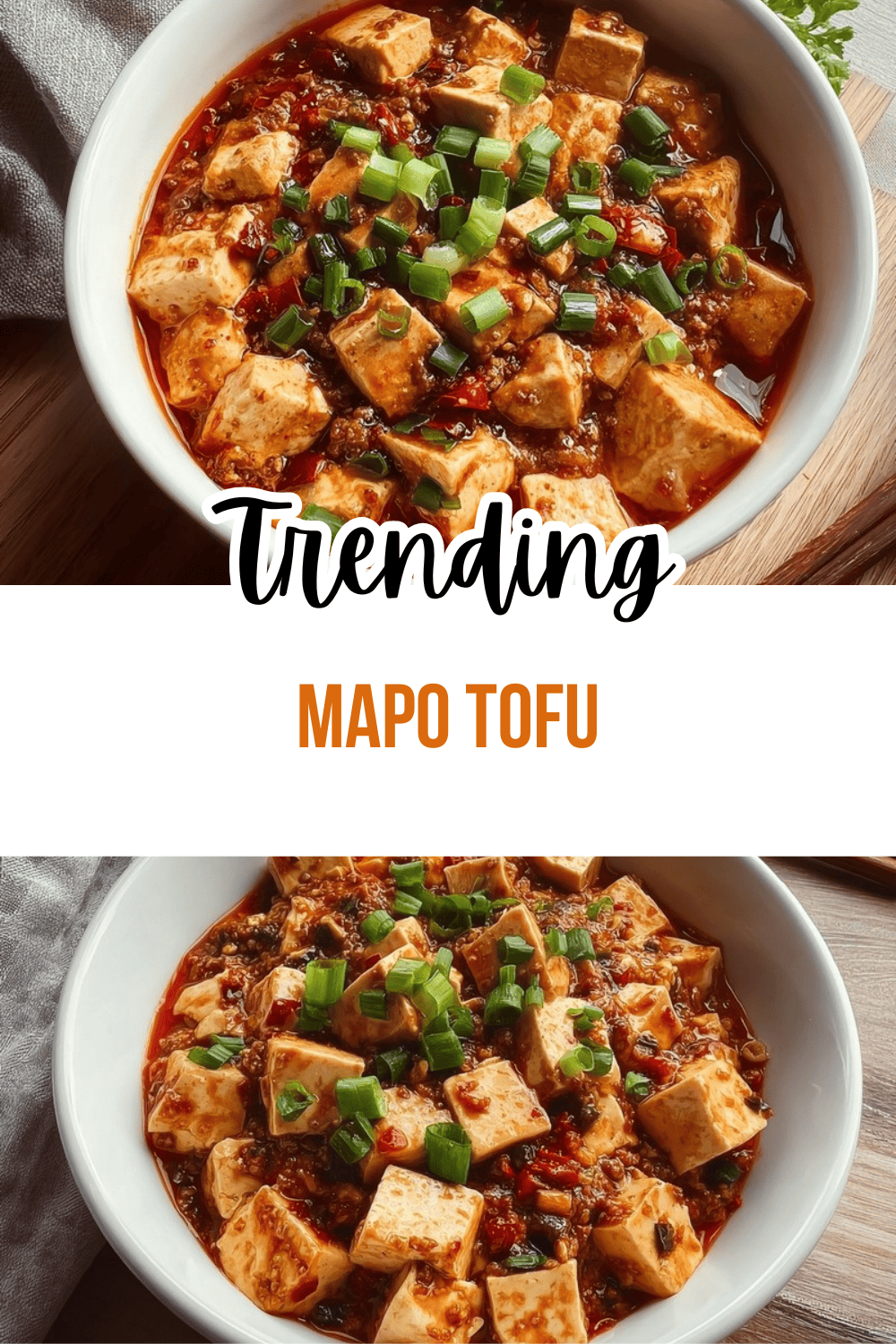
Mapo Tofu is one of those dishes that looks fancy, tastes like it came from your favorite Sichuan spot, and still comes together fast enough for a busy weeknight. This Mapo Tofu recipe brings you the bold, tongue-numbing heat of Sichuan peppercorns, the savory punch of doubanjiang, and the silky comfort of 1 pound of silken tofu all in one bowl. If you love a spicy dish with serious personality, this one brings the goods.
With soft tofu, fragrant aromatics, and that classic ma la heat, this is the kind of meal that wakes up your whole dinner table.
- Easy to cook: The whole dish takes about 35 minutes, with just 10 minutes of prep and 25 minutes of cooking. Once your ingredients are chopped and measured, the wok does most of the work.
- Comforting and nourishing: Silken tofu gives you a soft, satisfying base, while ground pork adds protein and richness. The finished dish is hearty without feeling heavy.
- Flexible for many diets: You can swap the pork for mushrooms or plant-based mince, adjust the spice, or serve it with rice, noodles, or even steamed vegetables.
- Big, memorable flavor: Between toasted chilies, Sichuan peppercorns, ginger, garlic, and spicy bean paste, every bite has heat, depth, and that signature numbing tingle.
For readers who enjoy bold, saucy dishes, this spicy mapo tofu delivers restaurant-style flavor at home without a ton of fuss. It is also a great recipe for cooks who like to move quickly in the kitchen, since the best results come from prepping everything before the burner goes on.
If you enjoy rich, savory comfort food, you might also like this garlicky chicken pasta recipe for another cozy weeknight dinner idea.
Jump To
- 1. Why You’ll Love This Mapo Tofu
- 2. Essential Ingredients for Mapo Tofu
- 3. How to Prepare the Perfect Mapo Tofu: Step-by-Step Guide
- 4. Dietary Substitutions to Customize Your Mapo Tofu
- 5. Mastering Mapo Tofu: Advanced Tips and Variations
- 6. How to Store Mapo Tofu: Best Practices
- 7. Nutrition, Timing, and Recipe Snapshot
- 8. FAQs: Frequently Asked Questions About Mapo Tofu
- 9. Mapo Tofu
Essential Ingredients for Mapo Tofu
This mapo tofu recipe uses a mix of spicy, savory, and aromatic ingredients that build the dish’s signature Sichuan flavor. Measuring everything before you start makes the cooking process much smoother, especially since the steps move quickly once the wok is hot.
- 1/2 cup oil, divided – Used for blooming the chilies and building the sauce base.
- 1 to 2 fresh Thai bird chili peppers, thinly sliced – Adds sharp, fresh heat.
- 6 to 8 dried chili peppers, roughly chopped – Brings deeper chili aroma and color.
- 1/2 to 1 1/2 tablespoons ground Sichuan peppercorns – Creates the classic ma la numbing sensation; reserve 1/4 teaspoon for garnish.
- 3 tablespoons finely minced ginger – Gives warmth and a clean, bright bite.
- 3 tablespoons finely minced garlic – Adds savory depth and fragrance.
- 8 ounces ground pork – Brings richness, protein, and a hearty texture.
- 1 to 2 tablespoons spicy bean paste (doubanjiang) – Supplies salt, fermented umami, and signature Sichuan flavor.
- 2/3 cup low sodium chicken broth or water – Forms the saucy base and loosens the paste.
- 1 pound silken tofu, cut into 1-inch cubes – The creamy centerpiece of the dish.
- 1/4 cup water – Used to make the cornstarch slurry.
- 1 1/2 teaspoons cornstarch – Thickens the sauce so it clings to the tofu.
- 1/4 teaspoon sesame oil, optional – Adds a subtle nutty finish.
- 1/4 teaspoon sugar, optional – Softens the edge of the spice.
- 1 scallion, finely chopped – Adds freshness and color at the end.
Special Dietary Options
- Vegan: Swap the ground pork for crumbled firm tofu, plant-based mince, or finely chopped mushrooms. Use vegetable broth instead of chicken broth.
- Gluten-free: Choose a gluten-free doubanjiang and confirm your broth is gluten-free.
- Low-calorie: Reduce the oil slightly, use more broth than water, and keep the pork portion modest or replace it with mushrooms.
| Ingredient | Purpose in the dish | Easy swap if needed |
|---|---|---|
| Silken tofu | Soft, creamy base | Extra-soft tofu |
| Ground pork | Rich, savory protein | Ground chicken, mushrooms, or plant-based mince |
| Doubanjiang | Fermented heat and umami | Gluten-free chili bean paste |
| Sichuan peppercorns | Numbing ma la flavor | Less for mild heat, more for bold spice |
How to Prepare the Perfect Mapo Tofu: Step-by-Step Guide
This classic Sichuan mapo tofu recipe works best when you treat it like a quick stir-fry. Once the aromatics hit the pan, things move fast, so have everything measured, chopped, and within arm’s reach before you turn on the heat.
First Step: Prep everything before heating the wok
Cut the tofu into 1-inch cubes and handle it gently so the pieces stay intact. Thinly slice the fresh Thai bird chilies, roughly chop the dried chilies, mince the ginger and garlic, chop the scallion, and mix the cornstarch with water in a small bowl. Measure the broth, pork, doubanjiang, sesame oil, sugar, and Sichuan peppercorns before you start cooking.
This mise en place matters because the dish cooks quickly, and there is not much time to stop and measure once the wok is hot. If you are new to Sichuan cooking, this is the part that makes the rest feel easy instead of frantic.
Second Step: Toast the chilies in oil
Heat 1/4 cup of the oil over low heat and add the fresh and dried chilies. Let them toast for about 5 minutes until fragrant, stirring now and then so they do not scorch. Remove the pan from the heat once the oil turns red and aromatic.
This step gives you that rich chili oil flavor without turning the dish harsh. It is one of the easiest ways to build depth in spicy Mapo Tofu.
Third Step: Cook the ginger and garlic
In a wok, heat the remaining 1/4 cup oil over medium heat. Add the minced ginger and cook for 1 minute, then add the garlic and fry for another minute. You want the aromatics to smell strong and toasty, but not brown too fast.
If the garlic gets too dark, it can turn bitter. Keep the heat steady and stir often. This is the flavor base that makes the sauce taste like it came from a good Sichuan restaurant.
Fourth Step: Brown the pork
Turn the heat up to high and add the 8 ounces of ground pork. Break it apart with your spatula and cook until it is no longer pink. The pork should be fully cooked and lightly browned in spots for the best flavor.
If there is extra fat in the pan, that is a good thing. It helps carry the spice and gives the sauce a fuller taste.
Fifth Step: Add Sichuan peppercorns and doubanjiang
Stir in the ground Sichuan peppercorns briefly. Do not let them burn, since that can make them taste bitter. Right after that, add the spicy bean paste and stir until it coats the pork and aromatics.
Then pour in the 2/3 cup of low sodium chicken broth or water and let it simmer for about one minute. The sauce should smell bold, spicy, and a little funky in the best possible way.
Sixth Step: Thicken the sauce
Mix 1/4 cup water with 1 1/2 teaspoons cornstarch until smooth. Stir this slurry into the wok and cook until the sauce thickens. If it gets too thick, add a splash more broth or water until it looks silky and spoonable.
A good mapo tofu sauce should coat the tofu lightly, not sit in a gluey puddle. If you have ever wondered how to fix a sauce that feels too heavy, a little extra liquid usually brings it right back.
Seventh Step: Add the toasted chili oil and tofu
Pour in the toasted chili oil along with the chilies. Then gently add the 1 pound of silken tofu cubes. Use a spoon or spatula to fold the tofu into the sauce without smashing it. Let it cook for 3 to 5 minutes so it absorbs the flavor.
This is the part where the dish starts looking like real sichuan mapo tofu. The tofu turns glossy, the sauce clings to every edge, and the kitchen smells absolutely amazing.
Eighth Step: Finish with scallions and optional seasonings
Stir in the sesame oil if you are using it, along with the sugar if you want a softer finish. Add the chopped scallion and stir lightly until it wilts. Taste the sauce and adjust if needed.
If you like a stronger peppery kick, this is a good time to add a little more ground Sichuan peppercorns. A tiny sprinkle can wake the whole dish up.
Final Step: Garnish and serve
Transfer the Mapo Tofu to a serving bowl and finish with the reserved 1/4 teaspoon of ground Sichuan peppercorns on top, if desired. Serve it hot with steamed rice so the sauce has something to soak into.
The best bowl of Mapo Tofu is spicy, silky, and just a little numbing in the back of the mouth. That tingle is the whole point.
If you want another bold dinner idea with plenty of savory flavor, take a look at this spiced chicken lentil mulligatawny for a warming, spice-forward meal.

Dietary Substitutions to Customize Your Mapo Tofu
Protein and Main Component Alternatives
One of the nice things about mapo tofu recipe for home cooks is how easy it is to adapt. If you do not eat pork, swap in ground chicken, ground turkey, plant-based mince, or finely chopped mushrooms. Each option changes the texture a bit, but the chili, ginger, garlic, and peppercorns still carry the signature flavor.
If tofu is not your thing, you can serve the sauce over eggplant, mushrooms, or even a bowl of rice noodles. The sauce itself is the star, so the rest can move around a little without losing the spirit of the dish.
Vegetable, Sauce, and Seasoning Modifications
For a milder dish, start with less doubanjiang, fewer chilies, and just 1/2 teaspoon of ground Sichuan peppercorns. You can always add more after plating if the dish feels too soft. For a hotter version, use the full amount of chili peppers and a little extra chili oil from the toasted peppers.
If you need a gluten-free version, look for gluten-free bean paste and use broth that is safe for your needs. For a lower-fat version, reduce the oil slightly and lean harder on broth for the sauce base. If you want more richness without extra spice, a touch of sesame oil at the end does the trick.
For more ideas on building balanced savory dishes, you may also enjoy this balsamic marinated flank steak recipe when you are planning your next dinner rotation.
Mastering Mapo Tofu: Advanced Tips and Variations
Once you have made spicy Mapo Tofu a couple of times, small tweaks can make a big difference. This dish rewards attention, especially when it comes to heat control and spice timing.
Pro cooking techniques
Use high-quality Sichuan peppercorns that are free of bitter black seeds. Grind them fresh if you can, then add them after the pork is cooked so they do not scorch. That keeps the flavor bright and the numbing effect clean instead of harsh.
Also, do not rush the chili oil step. Toasting the fresh and dried chilies in oil builds a deeper color and richer flavor than tossing the chilies in dry. If you under-season the final dish, a little extra peppercorn powder on top after plating can fix that quickly.
Flavor variations
For a sweeter edge, leave the optional sugar in. For a bolder, saltier version, use the full amount of doubanjiang and reduce the broth slightly. If you want a more fragrant finish, add an extra few drops of sesame oil right before serving.
You can also play with the heat level by changing the ratio of fresh chilies to dried chilies. More dried chilies give you deeper warmth, while fresh Thai bird chilies add sharper bite.
Presentation tips
Serve the finished tofu in a shallow bowl so the glossy sauce is easy to see. Top with chopped scallions and the reserved ground Sichuan peppercorn for a little pop of color. A simple bowl of steamed rice on the side makes the whole plate feel complete.
Make-ahead options
You can prep every ingredient a day ahead and store them separately in the fridge. The ginger, garlic, chilies, slurry, and chopped scallion can all be ready to go, which makes this a practical dinner for working professionals or busy parents. When it is time to cook, the entire dish moves fast and stays stress-free.
How to Store Mapo Tofu: Best Practices
Mapo Tofu keeps well, which is good news if you like leftovers for lunch. The flavor often gets even better after a short rest, though the tofu will soften a little more in the fridge.
Refrigeration
Store leftovers in an airtight container in the refrigerator for up to 3 days. Let the dish cool before sealing it up so excess steam does not water down the sauce. If possible, keep the rice separate so it does not soak up too much liquid.
Freezing
Freezing is possible, but the tofu texture changes and may become a little spongier after thawing. If you do freeze it, use a freezer-safe container and eat it within 1 month for the best quality. This works best if you are okay with a softer final texture.
Reheating
Reheat gently on the stovetop over low heat, adding a splash of water or broth if the sauce looks too thick. Microwave reheating also works, but stir halfway through so the tofu heats evenly. Avoid boiling hard, since silken tofu can break apart.
Meal prep considerations
If you are batch cooking, make the sauce ahead and store the tofu separately if you want the best texture. That way, the tofu stays cleaner and less fragile, and you can combine everything right before serving.
| Storage method | How long | Best tip |
|---|---|---|
| Refrigerator | Up to 3 days | Cool before sealing |
| Freezer | Up to 1 month | Expect softer tofu after thawing |
| Reheat on stove | 5 to 8 minutes | Add a splash of broth if needed |
Nutrition, Timing, and Recipe Snapshot
This dish gives you bold flavor in a short amount of time, which is one reason it works so well for home cooks. Here is a quick look at the key recipe details.
- Prep time: 10 minutes
- Cook time: 25 minutes
- Total time: 35 minutes
- Servings: 4
| Nutrient | Per serving |
|---|---|
| Calories | 335 kcal |
| Carbohydrates | 8 g |
| Protein | 11 g |
| Fat | 29 g |
| Saturated Fat | 5 g |
| Cholesterol | 27 mg |
| Sodium | 126 mg |
| Potassium | 340 mg |
| Fiber | 1 g |
| Sugar | 2 g |
| Vitamin A | 165 IU |
| Vitamin C | 3.5 mg |
| Calcium | 47 mg |
| Iron | 1.4 mg |
FAQs: Frequently Asked Questions About Mapo Tofu
What is Mapo Tofu?
Mapo Tofu is a classic Sichuan Chinese dish featuring soft silken tofu in a rich, spicy sauce made with ground pork, fermented bean paste (doubanjiang), garlic, ginger, and Sichuan peppercorns. Originating from Chengdu, it gets its name from “ma” (numbing) and “po” (pockmarked, referring to the chef’s wife), highlighting the tongue-tingling sensation from peppercorns and fiery heat from chilies. The dish balances bold flavors: spicy, savory, and slightly numbing. Serve it hot over steamed rice for 4 servings. Prep time is 10 minutes, cook time 15 minutes. It’s popular worldwide for its quick preparation and addictive taste. For authenticity, use regular or silken tofu—avoid firm varieties that don’t absorb sauce well. (92 words)
What are the key ingredients for authentic Mapo Tofu?
Essential ingredients include silken tofu (cut into 1-inch cubes), doubanjiang (spicy broad bean paste, 2-3 tbsp), ground pork (4-6 oz), Sichuan peppercorns (1 tsp ground), garlic, ginger, scallions, chili oil or flakes, soy sauce, and cornstarch slurry for thickening. Doubanjiang provides fermented umami and heat; Sichuan peppercorns add the signature麻辣 (ma la) numbness. Stock or water forms the base sauce. Skip these, and it’s not true Mapo Tofu. Measure precisely: start with 1 tsp peppercorns, adjust later. Source doubanjiang from Asian markets for best results—no substitutes match its depth. This combo yields restaurant-quality flavor at home. (112 words)
How do Sichuan peppercorns affect Mapo Tofu and how should I use them?
Sichuan peppercorns create a buzzing, numbing sensation (ma la) that pairs with chili heat for Mapo Tofu’s signature profile, without traditional spiciness. Freshly ground ones deliver the strongest effect—use ½ to 1 tsp for 4 servings. Toast lightly then grind to release oils; add after browning pork to prevent burning, which causes bitterness. Discard any black seeds inside pods, as they taste bitter. For milder versions, halve the amount or sprinkle on top post-cooking. Quality matters: higher-grade Huajiao peppers from Sichuan intensify the tingle. Test tolerance first—overuse leads to mouth fatigue. This step elevates the dish’s authenticity. (108 words)
Can I adjust the spice level in Mapo Tofu?
Yes, customize spice easily. Reduce doubanjiang to 1 tbsp and skip extra chili flakes for mild; use 3 tbsp plus chili oil for hot. For Sichuan peppercorns, start with ½ tsp ground and taste-test, adding more at the end. Substitute regular chili oil with neutral oil and fewer flakes if needed. No peppercorns? Use black pepper, but it lacks numbness. For vegan, swap pork for mushrooms or plant-based mince. Always simmer gently after adjustments to meld flavors. This flexibility makes Mapo Tofu family-friendly—serve with rice to balance heat. Track changes in a recipe notebook for repeats. (104 words)
How do I fix a sauce that’s too thick in Mapo Tofu?
If cornstarch slurry (1 tsp cornstarch + 2 tsp water) thickens sauce excessively, stir in 2-4 tbsp water, chicken broth, or vegetable stock gradually while simmering on low heat. This restores silky texture without diluting flavor. Prevent by adding slurry last, in thin stream, stirring constantly for 30 seconds. Use cold stock to avoid lumps. For homemade chili oil, strain solids first to control thickness. Aim for sauce coating tofu lightly, not pooling. Reheat leftovers with a splash of broth. Pro tip: silken tofu releases moisture, so add it late. Results in glossy, pourable sauce every time. (98 words)

Mapo Tofu
🌶️ Ignite your taste buds with authentic Sichuan spice and numbing sensation from Sichuan peppercorns in this classic Mapo Tofu!
🥢 Achieve restaurant-quality results at home effortlessly, perfect for spice lovers and home cooks alike.
- Total Time: 35 minutes
- Yield: 4 servings
Ingredients
– 1/2 cup oil, divided for blooming the chilies and building the sauce base
– 1 to 2 fresh Thai bird chili peppers, thinly sliced for sharp, fresh heat
– 6 to 8 dried chili peppers, roughly chopped for deeper chili aroma and color
– 1/2 to 1 1/2 tablespoons ground Sichuan peppercorns for the classic ma la numbing sensation; reserve 1/4 teaspoon for garnish
– 3 tablespoons finely minced ginger for warmth and a clean, bright bite
– 3 tablespoons finely minced garlic for savory depth and fragrance
– 8 ounces ground pork for richness, protein, and a hearty texture
– 1 to 2 tablespoons spicy bean paste (doubanjiang) for salt, fermented umami, and signature Sichuan flavor
– 2/3 cup low sodium chicken broth or water for forming the saucy base and loosening the paste
– 1 pound silken tofu, cut into 1-inch cubes for the creamy centerpiece of the dish
– 1/4 cup water for making the cornstarch slurry
– 1 1/2 teaspoons cornstarch for thickening the sauce so it clings to the tofu
– 1/4 teaspoon sesame oil, optional for a subtle nutty finish
– 1/4 teaspoon sugar, optional for softening the edge of the spice
– 1 scallion, finely chopped for freshness and color at the end
Instructions
1-First Step: Prep everything before heating the wok Cut the tofu into 1-inch cubes and handle it gently so the pieces stay intact. Thinly slice the fresh Thai bird chilies, roughly chop the dried chilies, mince the ginger and garlic, chop the scallion, and mix the cornstarch with water in a small bowl. Measure the broth, pork, doubanjiang, sesame oil, sugar, and Sichuan peppercorns before you start cooking.
2-Second Step: Toast the chilies in oil Heat 1/4 cup of the oil over low heat and add the fresh and dried chilies. Let them toast for about 5 minutes until fragrant, stirring now and then so they do not scorch. Remove the pan from the heat once the oil turns red and aromatic.
3-Third Step: Cook the ginger and garlic In a wok, heat the remaining 1/4 cup oil over medium heat. Add the minced ginger and cook for 1 minute, then add the garlic and fry for another minute. You want the aromatics to smell strong and toasty, but not brown too fast.
4-Fourth Step: Brown the pork Turn the heat up to high and add the 8 ounces of ground pork. Break it apart with your spatula and cook until it is no longer pink. The pork should be fully cooked and lightly browned in spots for the best flavor.
5-Fifth Step: Add Sichuan peppercorns and doubanjiang Stir in the ground Sichuan peppercorns briefly. Do not let them burn, since that can make them taste bitter. Right after that, add the spicy bean paste and stir until it coats the pork and aromatics. Then pour in the 2/3 cup of low sodium chicken broth or water and let it simmer for about one minute. The sauce should smell bold, spicy, and a little funky in the best possible way.
6-Sixth Step: Thicken the sauce Mix 1/4 cup water with 1 1/2 teaspoons cornstarch until smooth. Stir this slurry into the wok and cook until the sauce thickens. If it gets too thick, add a splash more broth or water until it looks silky and spoonable.
7-Seventh Step: Add the toasted chili oil and tofu Pour in the toasted chili oil along with the chilies. Then gently add the 1 pound of silken tofu cubes. Use a spoon or spatula to fold the tofu into the sauce without smashing it. Let it cook for 3 to 5 minutes so it absorbs the flavor.
8-Eighth Step: Finish with scallions and optional seasonings Stir in the sesame oil if you are using it, along with the sugar if you want a softer finish. Add the chopped scallion and stir lightly until it wilts. Taste the sauce and adjust if needed.
9-Final Step: Garnish and serve Transfer the Mapo Tofu to a serving bowl and finish with the reserved 1/4 teaspoon of ground Sichuan peppercorns on top, if desired. Serve it hot with steamed rice so the sauce has something to soak into.
Last Step:
Please leave a rating and comment letting us know how you liked this recipe! This helps our business to thrive and continue providing free, high-quality recipes for you.Notes
🔥 Use high-quality Sichuan peppercorns free of bitter black seeds for optimal flavor and numbing sensation.
⚠️ Add ground Sichuan peppercorns after cooking pork to prevent burning and bitterness.
🌶️ Adjust peppercorn quantity (start with ½ to 1 teaspoon) for desired spiciness.
- Prep Time: 10 minutes
- Cook Time: 25 minutes
- Category: Main Course
- Method: Stir-Fry
- Cuisine: Sichuan Chinese
Nutrition
- Serving Size: 1 serving
- Calories: 335 kcal
- Sugar: 2 g
- Sodium: 126 mg
- Fat: 29 g
- Saturated Fat: 5 g
- Unsaturated Fat: 24 g
- Trans Fat: 0 g
- Carbohydrates: 8 g
- Fiber: 1 g
- Protein: 11 g
- Cholesterol: 27 mg


