

Why You’ll Love This Lofthouse Cookies Copycat
If you’ve ever wondered how to recreate those irresistible soft, frosted cookies from the grocery store, you’re in for a treat. This Lofthouse cookies copycat recipe brings that classic bakery taste right to your kitchen with surprisingly simple ingredients and techniques. What makes this recipe special is how it captures that perfect balance of pillowy texture and sweet frosting that makes these cookies so beloved. * **Ease of preparation**: This recipe requires no special skills or equipment. With common pantry ingredients and straightforward steps, even baking beginners can achieve professional-looking results. The entire process takes about 45 minutes from start to finish, including chilling time. * **Health benefits**: Unlike store-bought versions loaded with preservatives and artificial ingredients, these homemade Lofthouse cookies contain no hydrogenated oils or high fructose corn syrup. You have complete control over the quality of ingredients, allowing you to opt for organic flour, natural food coloring, and premium vanilla extract. * **Versatility**: This recipe adapts beautifully to different occasions and preferences. You can easily customize the colors for holidays, add flavored extracts, or adjust the sweetness level. They work equally well for school bake sales, birthday parties, or as a special weeknight treat. * **Distinctive flavor**: The secret to that signature Lofthouse taste lies in the combination of butter and cream cheese in the dough, creating a rich but not overly heavy flavor profile. The almond extract adds a subtle complexity that perfectly complements the sweet frosting without overpowering it.Jump To
- 1. Why You’ll Love This Lofthouse Cookies Copycat
- 2. Essential Ingredients for Lofthouse Cookies Copycat
- 3. How to Prepare the Perfect Lofthouse Cookies Copycat: Step-by-Step Guide
- 4. Dietary Substitutions to Customize Your Lofthouse Cookies Copycat
- 5. Protein and Main Component Alternatives
- 6. Vegetable, Sauce, and Seasoning Modifications
- 7. Mastering Lofthouse Cookies Copycat: Advanced Tips and Variations
- 8. How to Store Lofthouse Cookies Copycat: Best Practices
- 9. FAQs: Frequently Asked Questions About Lofthouse Cookies Copycat
- 10. Lofthouse Cookies Copycat
Essential Ingredients for Lofthouse Cookies Copycat
The magic of these soft sugar cookies comes from using quality ingredients in the right proportions. Each component plays a specific role in achieving that characteristic texture and flavor that makes Lofthouse cookies so distinctive.Cookie Ingredients
- 1/2 cup unsalted butter (softened) – Provides rich flavor and tenderness to the cookie base
- 4 oz cream cheese (softened) – Creates moisture and contributes to the soft, pillowy texture
- 1 cup granulated sugar – Sweetens the dough while creating a slightly crisp exterior
- 1 egg – Binds ingredients together and adds structure
- 1 tsp vanilla extract – Adds classic cookie flavor depth
- 1/2 tsp almond extract – Provides a subtle, complementary nutty note
- 2 1/4 cups all-purpose flour – Forms the structure of the cookie
- 1/2 tsp baking powder – Helps the cookies rise slightly for a lighter texture
- 1/4 tsp baking soda – Works with baking powder for proper leavening
- 1/4 tsp salt – Balances sweetness and enhances all flavors
Frosting Ingredients
- 1/2 cup unsalted butter (room temperature) – Creates the creamy base for the frosting
- 3-4 cups powdered sugar (sifted) – Provides sweetness and structure to the frosting
- 2-3 tbsp heavy cream or milk – Adjusts frosting consistency
- 1 tsp vanilla extract – Adds depth of flavor to the frosting
- Pinch of salt – Balances sweetness and enhances flavor
- Optional: 1/4 tsp almond extract – Complements the cookie flavor
- Optional: Gel food coloring – Creates the signature pink or other colors
Special Dietary Options
Looking for dietary modifications? This Lofthouse cookies copycat recipe can be adapted to meet various needs while maintaining that beloved soft texture and delicious taste.* **Vegan**: Replace butter with plant-based butter or coconut oil, use vegan cream cheese alternative, and substitute the egg with a flax egg (1 tablespoon ground flaxseed mixed with 3 tablespoons water). Use plant-based milk in the frosting. * **Gluten-free**: Use a 1:1 gluten-free flour blend that includes xanthan gum for best results. The texture will remain similar to traditional cookies. * **Low-calorie**: Substitute half the butter with unsweetened applesauce, reduce sugar by 25%, and use stevia or erythritol for the frosting. Note that texture will differ slightly.
How to Prepare the Perfect Lofthouse Cookies Copycat: Step-by-Step Guide
Creating bakery-quality Lofthouse cookies at home is easier than you might think. This process breaks down each stage to help you achieve perfect results every time. The key lies in proper technique and not rushing the chilling process.Preparing the Cookie Dough
First Step: Start by gathering all ingredients and ensuring your butter, cream cheese, and egg are at room temperature. This crucial step allows for proper incorporation and even mixing. Line two baking sheets with parchment paper and set aside. Second Step: In a large mixing bowl, beat the softened butter and cream cheese together until completely smooth and creamy. This should take about 2-3 minutes on medium speed. The combination of these two ingredients creates the signature soft texture that distinguishes Lofthouse cookies from other sugar cookies. Third Step: Add the granulated sugar to the butter and cream cheese mixture. Continue beating on medium-high speed for 3-4 minutes until the mixture is pale and fluffy. This process incorporates air into the dough, which helps create a lighter cookie texture. Scrape down the sides of the bowl as needed. Fourth Step: Add the egg, vanilla extract, and almond extract to the mixture. Beat on medium speed until fully incorporated, about 1 minute. Scrape down the bowl again to ensure all ingredients are evenly distributed. Fifth Step: In a separate medium bowl, whisk together the flour, baking powder, baking soda, and salt. This ensures the leavening agents are evenly distributed throughout the flour.Mixing and Chilling
Sixth Step: With the mixer on low speed, gradually add the dry ingredients to the wet ingredients. Mix only until just combined. The dough will be soft and slightly sticky. Be careful not to overmix, which can develop gluten and make the cookies tough. Seventh Step: Cover the bowl and refrigerate the dough for at least 1 hour, but 2-3 hours is ideal. This chilling period is essential for preventing the cookies from spreading too much during baking. It allows the flour to hydrate fully and the fats to firm up.Baking the Cookies
Eighth Step: Preheat your oven to 350°F (175°C). Use a cookie scoop or measuring spoon to portion dough into 2-tablespoon balls. Roll them between your palms to create smooth spheres and place them on the prepared baking sheets, spacing them about 3 inches apart. Ninth Step: Gently flatten each dough ball with the palm of your hand or the bottom of a glass to create discs about 1/2 inch thick. For perfectly round cookies, rotate the dough ball as you press down. Tenth Step: Bake for 9-11 minutes. The cookies are done when the edges are set but the centers still look slightly underbaked and pale. Avoid overbaking, as this will result in crispy cookies rather than soft ones.Making the Frosting and Finishing
Final Step: Allow cookies to cool on the baking sheets for 5 minutes before transferring to wire racks to cool completely. While cookies cool, prepare the frosting by beating butter until creamy, adding powdered sugar gradually, then mixing in vanilla, salt, and cream until smooth. Tint with food coloring if desired. Once cookies are completely cool, generously frost each one with an offset spatula and immediately add sprinkles before the frosting sets. Let frosting firm for 30 minutes before serving.
Dietary Substitutions to Customize Your Lofthouse Cookies Copycat
One of the beauties of this Lofthouse cookies copycat recipe is its adaptability to various dietary needs and preferences. With a few strategic substitutions, you can create versions that work for different lifestyles while maintaining that delicious soft texture people love.Vegan Variations
Creating a plant-based version of these cookies is straightforward with the right substitutions. For the butter component, vegan butter sticks work better than tub margarine as they contain less water. For the cream cheese, look for brands specifically designed to replicate the texture and tanginess of dairy cream cheese. The egg replacement is crucial for structure a flax egg works well, though it may slightly darken the cookie color. For the frosting, coconut cream creates a rich texture, while powdered sugar naturally contains no animal products.Gluten-Free Adaptations
When making gluten-free Lofthouse cookies, choose a flour blend that includes xanthan gum or add 1/4 teaspoon xanthan gum yourself. This helps replicate the structure that gluten provides. Rice-based blends tend to produce the most cookie-like texture, while almond flour blends add a nice nuttiness but may make the cookies more fragile. The cream cheese in this recipe actually helps gluten-free versions maintain moisture, which can otherwise be challenging in GF baking.Reduced Sugar Options
For those watching sugar intake, several approaches work well. Stevia-based sweeteners can replace the granulated sugar in the dough, though they may cause slightly more spreading. In the frosting, powdered sugar is difficult to replace completely, but you can use a blend of powdered sugar and powdered stevia to reduce overall sugar content while maintaining texture. Another option is to use monk fruit sweetener, which measures similarly to sugar and doesn’t have an aftertaste.Dairy-Free Alternatives
Beyond vegan options, some people avoid dairy for other reasons. For the butter component, refined coconut oil works well but adds a subtle coconut flavor. For a neutral flavor, try palm shortening or high-oleic sunflower oil. Dairy-free cream cheese alternatives have improved significantly in recent years, with brands offering surprisingly similar textures and flavors. For the frosting, coconut butter creates a creamy consistency, though it will firm up more than dairy-based versions.Protein and Main Component Alternatives
While traditional Lofthouse cookies rely on butter and cream cheese as their main fat sources, there are several alternative approaches that can modify the nutritional profile or create different flavor experiences. These substitutions can help tailor the cookies to specific dietary goals or simply offer a new twist on the classic recipe.Protein-Enhanced Variations
For those seeking additional protein content, consider incorporating unflavored protein powder into the dough. Replace approximately 1/4 cup of flour with whey or plant-based protein powder. This addition slightly changes the texture, making the cookies a bit denser, but significantly boosts the protein content. Another option is to add 2 tablespoons of Greek yogurt to replace an equal amount of butter, which increases protein while maintaining moisture. The cream cheese already provides some protein, but using a Greek yogurt-based cream cheese alternative can further increase this nutritional component.Alternative Flour Bases
While all-purpose flour is traditional, experimenting with alternative flours can create interesting variations. Almond flour adds protein and healthy fats while creating a more tender cookie with a nutty flavor. Oat flour provides whole grain nutrition and a slightly heartier texture. For a combination approach, use half all-purpose flour and half whole wheat pastry flour to increase fiber and nutrients without sacrificing the characteristic soft texture. These alternatives work best when combined with the cream cheese component, which helps maintain moisture.Healthy Fat Substitutions
The combination of butter and cream cheese gives Lofthouse cookies their signature texture, but for those seeking healthier fat profiles, several substitutions work surprisingly well. Avocado can replace up to half the butter, creating a softer texture with heart-healthy monounsaturated fats. The flavor is imperceptible when combined with the other ingredients. Greek yogurt can also replace some of the cream cheese, reducing fat content while increasing protein. These substitutions may slightly alter the texture, so experimentation is recommended to find the perfect balance.Vegetable, Sauce, and Seasoning Modifications
While Lofthouse cookies may not traditionally contain vegetables or complex sauces, there are numerous ways to modify the flavor profile through creative seasoning and decoration choices. These modifications can transform the basic recipe into something entirely new while maintaining that beloved soft texture.Flavor Extract Combinations
The classic vanilla and almond extract combination can be adapted in countless ways. For a lemon version, replace the almond extract with lemon extract and add 1 tablespoon of lemon zest to the dough. Coconut lovers can use coconut extract in place of almond and add shredded coconut to the frosting. A coffee-infused variation uses 1 teaspoon of instant espresso powder dissolved in the vanilla extract before adding to the dough. For fall flavors, pumpkin pie spice (1 teaspoon) mixed with the dry ingredients creates a seasonal twist that pairs beautifully with orange-tinted frosting.Frosting Variations
The traditional buttercream frosting provides the perfect canvas for creativity. Beyond the classic pink, consider colored variations for holidays red and green for Christmas, orange for Halloween, or pastel shades for spring. For flavor variations, try adding citrus zest (lemon, orange, or lime) to the frosting. A cream cheese frosting variation replaces half the butter with additional cream cheese for a tangier finish. Chocolate lovers can add 2 tablespoons of cocoa powder to the frosting, though this may require additional liquid to maintain proper consistency.Decorative Elements
The signature sprinkles on Lofthouse cookies are part of their appeal, but numerous alternatives exist. Crushed candy canes create a peppermint holiday version. Chopped nuts (pecans, walnuts, or pistachios) add texture and visual interest. For a more sophisticated look, a light dusting of edible glitter or luster powder creates an elegant finish. Cookie crumbs from another cookie variety can create interesting flavor combinations try crushing chocolate sandwich cookies and pressing them into the frosting edges.Mastering Lofthouse Cookies Copycat: Advanced Tips and Variations
Once you’ve mastered the basic Lofthouse cookies copycat recipe, these advanced techniques and creative variations will help you elevate your results and create bakery-quality treats that impress friends and family. These professional tips address common challenges and offer new ways to customize this beloved cookie.Pro Cooking Techniques
Achieving the perfect texture requires attention to detail throughout the process. First, always use room temperature ingredients cold butter or cream cheese won’t incorporate properly, resulting in dense cookies. Second, measure flour by spooning it into the measuring cup and leveling off with a knife rather than scooping directly, which can compact the flour and lead to dry cookies. Third, the chilling time is non-negotiable; if your kitchen is warm, consider chilling the dough balls for 15 minutes before baking to prevent excessive spreading. Finally, rotating the baking sheets halfway through baking ensures even browning, especially if your oven has hot spots.Flavor Variations
Beyond the classic version, several exciting flavor profiles work beautifully with this base recipe. For a strawberry version, add 1 tablespoon of freeze-dried strawberry powder to the dough and use strawberry milk in the frosting. A lemon-blueberry variation incorporates lemon zest and 1/2 cup of dried blueberries into the dough, complemented by lemon frosting. Chocolate lovers can add 1/2 cup of chocolate chips to the dough and use chocolate frosting. For a sophisticated twist, try a lavender version by adding 1 teaspoon of dried culinary lavender to the sugar before creaming with the butter.Presentation Tips
The visual appeal of Lofthouse cookies is part of their charm. For perfectly round cookies, use a large round cookie cutter to reshape them immediately after removing from the oven while they’re still soft. For bakery-style uniformity, use a scale to measure dough balls to exactly 1.5 ounces each. When frosting, create swirl patterns with the back of a spoon for a professional look. If piping the frosting, use a large star tip and pipe from the outside in, creating a beautiful rose pattern. For special occasions, consider creating a gradient effect by making multiple shades of the same color frosting and applying them to adjacent cookies.Make-Ahead Options
Lofthouse cookies are excellent for advance preparation. The dough can be made and refrigerated for up to 3 days before baking, actually improving the flavor development. For even longer storage, portion the dough into balls and freeze on a baking sheet before transferring to a freezer bag these will keep for up to 3 months. Baked but unfrosted cookies can be stored in an airtight container for up to a week, with frosting added just before serving. Fully frosted cookies should be stored with parchment paper between layers to prevent sticking and maintain their appearance for up to 5 days.How to Store Lofthouse Cookies Copycat: Best Practices
Proper storage is essential for maintaining the characteristic soft texture of Lofthouse cookies. These delicate treats require specific handling to prevent them from becoming stale or losing their appealing appearance. The following guidelines will help keep your cookies fresh and delicious for as long as possible.Refrigeration
For short-term storage (up to one week), keep Lofthouse cookies in an airtight container at room temperature. The key to maintaining softness is including a slice of white bread in the container the cookies will absorb moisture from the bread, keeping them soft. Replace the bread slice every 2-3 days as it dries out. Avoid refrigerating unfrosted cookies unless your kitchen is particularly warm, as refrigeration can cause them to dry out more quickly. Frosted cookies may be refrigerated to prevent the frosting from becoming too soft, but bring them to room temperature before serving for the best texture.Freezing
For long-term storage, freezing offers excellent results. If possible, freeze cookies unfrosted place cooled cookies in a single layer on a baking sheet until frozen solid, then transfer to freezer bags with parchment paper between layers. They will maintain quality for up to 3 months. To freeze frosted cookies, first flash-freeze them on a baking sheet until the frosting is firm, then carefully layer with parchment paper in freezer containers. Note that frosted frozen cookies are best consumed within 1 month, as the frosting texture may degrade slightly with longer storage. Always thaw frozen cookies at room temperature in their packaging to prevent condensation from making them soggy.Reheating
While typically served at room temperature, slightly warmed Lofthouse cookies offer a comforting treat. To refresh cookies that have lost some freshness, place them on a microwave-safe plate and heat for just 5-8 seconds the goal is to take the chill off, not actually heat them through. For oven reheating, place cookies on a baking sheet in a 275°F oven for 3-5 minutes. Avoid overheating, which will melt the frosting and compromise the texture. Never use a toaster oven or air fryer for reheating, as the direct heat will create uneven warming and may cause the frosting to melt unevenly.Meal Prep Considerations
Lofthouse cookies are an excellent candidate for batch cooking and meal prep. The dough can be made in advance and portioned into balls, then frozen for baking fresh cookies as needed. This approach is perfect for busy schedules simply remove the desired number of dough balls from the freezer in the morning, let thaw in the refrigerator, and bake fresh in the evening. For special occasions, consider preparing the cookies through the baking stage a day ahead, then frosting on the day of serving for optimal freshness and appearance. This staged approach reduces last-minute stress while still delivering freshly frosted, impressive-looking cookies.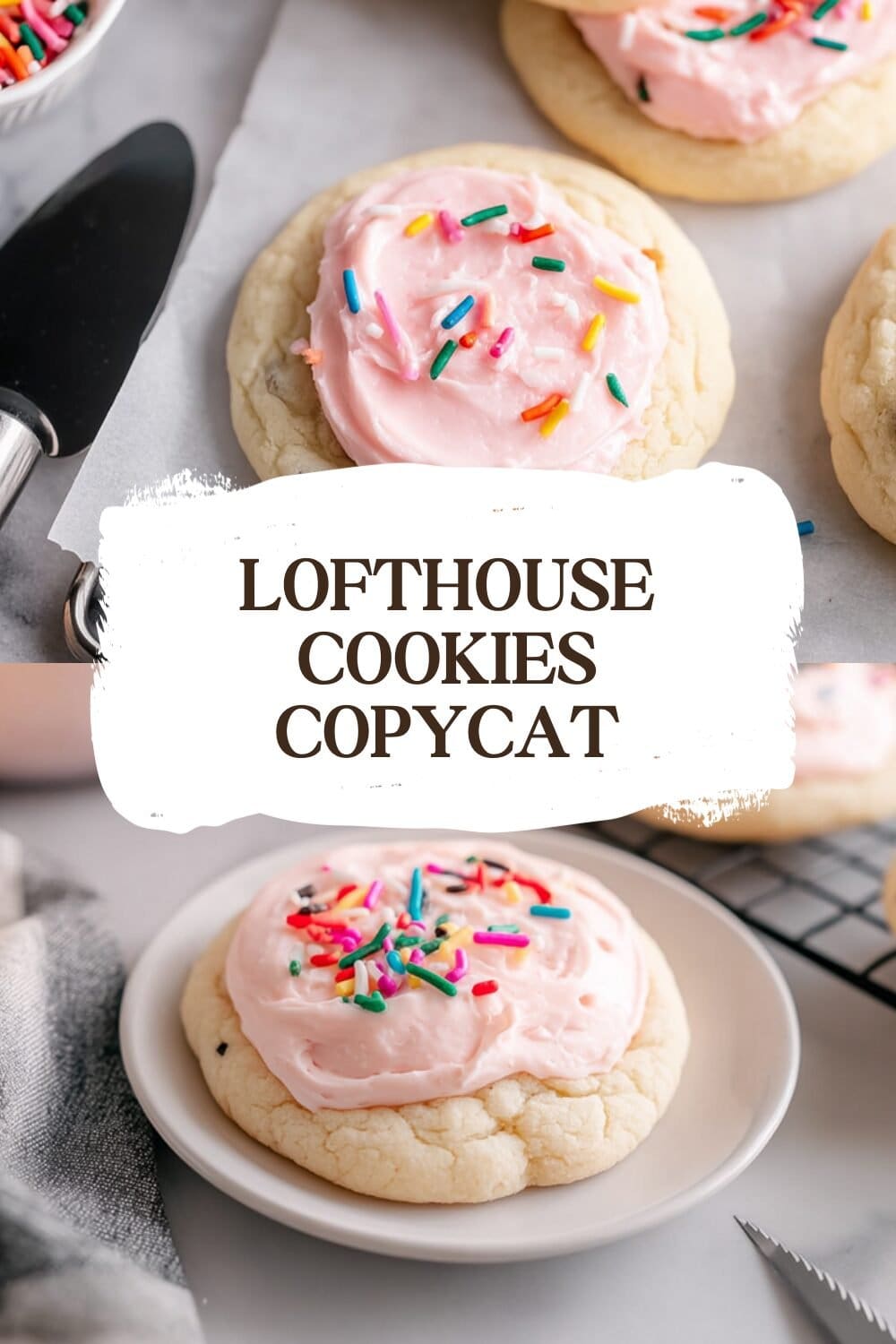
FAQs: Frequently Asked Questions About Lofthouse Cookies Copycat
How do I make copycat Lofthouse cookies at home?
To make copycat Lofthouse cookies, start with these ingredients for 24 cookies: 1/2 cup unsalted butter (softened), 4 oz cream cheese (softened), 1 cup granulated sugar, 1 egg, 1 tsp vanilla extract, 1/2 tsp almond extract, 2 1/4 cups all-purpose flour, 1/2 tsp baking powder, 1/4 tsp baking soda, 1/4 tsp salt. Cream butter, cream cheese, and sugar until fluffy. Add egg and extracts. Mix dry ingredients and combine into wet until a soft dough forms. Chill 1 hour. Scoop 2-tbsp balls onto parchment-lined sheets, flatten slightly. Bake at 350°F for 9-11 minutes until edges are set but centers are pale. Cool completely. For frosting: Beat 1/2 cup butter, 3 cups powdered sugar, 2 tbsp milk, 1 tsp vanilla until smooth; tint pink. Frost and add sprinkles. Store in airtight container up to 5 days. (98 words)
Why are Lofthouse cookies so soft and how can I get that texture?
Lofthouse cookies stay soft due to cream cheese and a low bake time that prevents over-browning. Cream cheese adds fat and moisture without toughness. Use room-temperature butter and cream cheese for even mixing. Avoid overmixing the dough to keep gluten low. Chill dough 1-2 hours to prevent spreading. Bake on parchment at 350°F for just 9-11 minutes—cookies should look underdone in the center. Cool on the sheet 5 minutes before transferring to a rack. High humidity helps too; store with a slice of bread in the container to retain moisture. This method mimics the store version’s pillowy texture perfectly. (102 words)
What if my copycat Lofthouse cookies spread too much?
If your cookies spread excessively, the dough is likely too warm or lacks enough flour/leavening balance. Chill dough at least 1 hour (overnight works best). Use cold baking sheets from the fridge. Measure flour by spooning into the cup and leveling—don’t pack it. Ensure baking soda/powder are fresh; old ones weaken structure. Reduce butter slightly to 6 tbsp if needed. Space dough balls 3 inches apart. Bake immediately after shaping. Test one cookie first. For fixes post-bake, chill baked cookies before frosting to firm up. These steps keep shapes round and edges crisp. (96 words)
Can I freeze copycat Lofthouse cookie dough or baked cookies?
Yes, freeze copycat Lofthouse dough for up to 3 months. Portion into balls, place on a tray to freeze solid (1-2 hours), then transfer to a freezer bag. Thaw in fridge overnight, then bake as directed—add 1-2 extra minutes if needed. For baked cookies, cool and frost first, freeze unfrosted if possible. Layer between parchment in a bag; thaw at room temp 1 hour. Frosted ones freeze well up to 1 month but may soften slightly. Avoid refreezing. Label bags with date for best freshness. Perfect for prepping ahead for holidays. (92 words)
What’s the best frosting recipe for copycat Lofthouse cookies?
The ideal frosting is a smooth buttercream: 1/2 cup unsalted butter (room temp), 3-4 cups powdered sugar (sifted), 2-3 tbsp heavy cream or milk, 1 tsp vanilla extract, pinch salt. Optional: 1/4 tsp almond extract and gel food coloring. Beat butter until creamy, add 2 cups sugar and beat. Mix in vanilla, salt, and 1 tbsp cream. Gradually add remaining sugar and cream until spreadable—thicker for piping. Beat 2 minutes for fluffiness. Frost cooled cookies generously with an offset spatula. Sets in 30 minutes. Yields enough for 24 cookies; doubles easily. (98 words)

Lofthouse Cookies Copycat
🍪 Recreate the iconic soft, pillowy sugar cookies with sweet buttercream frosting at home—fresher, cheaper, and endlessly customizable for any celebration.
🧁 These copycat treats offer that nostalgic bakery taste with simple ingredients, perfect for family baking fun and impressive results every time.
- Total Time: 2 hours
- Yield: 36 cookies
Ingredients
– 1/2 cup unsalted butter (softened) for rich flavor and tenderness to the cookie base
– 4 oz cream cheese (softened) for moisture and soft, pillowy texture
– 1 cup granulated sugar for sweetening the dough while creating a slightly crisp exterior
– 1 egg for binding ingredients together and adding structure
– 1 tsp vanilla extract for classic cookie flavor depth
– 1/2 tsp almond extract for subtle, complementary nutty note
– 2 1/4 cups all-purpose flour for structure of the cookie
– 1/2 tsp baking powder for helping the cookies rise slightly for a lighter texture
– 1/4 tsp baking soda for working with baking powder for proper leavening
– 1/4 tsp salt for balancing sweetness and enhancing all flavors
– 1/2 cup unsalted butter (room temperature) for creamy base for the frosting
– 3-4 cups powdered sugar (sifted) for sweetness and structure to the frosting
– 2-3 tbsp heavy cream or milk for adjusting frosting consistency
– 1 tsp vanilla extract for depth of flavor to the frosting
– Pinch of salt for balancing sweetness and enhancing flavor
– Optional: 1/4 tsp almond extract for complementing the cookie flavor
– Optional: Gel food coloring for creating the signature pink or other colors
Instructions
1-First Step: Start by gathering all ingredients and ensuring your butter, cream cheese, and egg are at room temperature. This crucial step allows for proper incorporation and even mixing. Line two baking sheets with parchment paper and set aside.
2-Second Step: In a large mixing bowl, beat the softened butter and cream cheese together until completely smooth and creamy. This should take about 2-3 minutes on medium speed. The combination of these two ingredients creates the signature soft texture that distinguishes Lofthouse cookies from other sugar cookies.
3-Third Step: Add the granulated sugar to the butter and cream cheese mixture. Continue beating on medium-high speed for 3-4 minutes until the mixture is pale and fluffy. This process incorporates air into the dough, which helps create a lighter cookie texture. Scrape down the sides of the bowl as needed.
4-Fourth Step: Add the egg, vanilla extract, and almond extract to the mixture. Beat on medium speed until fully incorporated, about 1 minute. Scrape down the bowl again to ensure all ingredients are evenly distributed.
5-Fifth Step: In a separate medium bowl, whisk together the flour, baking powder, baking soda, and salt. This ensures the leavening agents are evenly distributed throughout the flour.
6-Sixth Step: With the mixer on low speed, gradually add the dry ingredients to the wet ingredients. Mix only until just combined. The dough will be soft and slightly sticky. Be careful not to overmix, which can develop gluten and make the cookies tough.
7-Seventh Step: Cover the bowl and refrigerate the dough for at least 1 hour, but 2-3 hours is ideal. This chilling period is essential for preventing the cookies from spreading too much during baking. It allows the flour to hydrate fully and the fats to firm up.
8-Eighth Step: Preheat your oven to 350°F (175°C). Use a cookie scoop or measuring spoon to portion dough into 2-tablespoon balls. Roll them between your palms to create smooth spheres and place them on the prepared baking sheets, spacing them about 3 inches apart.
9-Ninth Step: Gently flatten each dough ball with the palm of your hand or the bottom of a glass to create discs about 1/2 inch thick. For perfectly round cookies, rotate the dough ball as you press down.
10-Tenth Step: Bake for 9-11 minutes. The cookies are done when the edges are set but the centers still look slightly underbaked and pale. Avoid overbaking, as this will result in crispy cookies rather than soft ones.
11-Final Step: Allow cookies to cool on the baking sheets for 5 minutes before transferring to wire racks to cool completely. While cookies cool, prepare the frosting by beating butter until creamy, adding powdered sugar gradually, then mixing in vanilla, salt, and cream until smooth. Tint with food coloring if desired. Once cookies are completely cool, generously frost each one with an offset spatula and immediately add sprinkles before the frosting sets. Let frosting firm for 30 minutes before serving.
Last Step:
Please leave a rating and comment letting us know how you liked this recipe! This helps our business to thrive and continue providing free, high-quality recipes for you.Notes
❄️ Chilling the dough is essential for soft, thick cookies that hold their shape without spreading.
🎨 Use gel food coloring for vibrant hues that won’t thin out the frosting consistency.
☀️ Store frosted cookies in an airtight container at room temperature for up to 3 days or freeze unfrosted for later.
- Prep Time: 25 minutes
- Chill Time: 1 hour
- Cook Time: 10-12 minutes
- Category: Dessert
- Method: Baking
- Cuisine: American
- Diet: Vegetarian
Nutrition
- Serving Size: 1 cookie
- Calories: 220 kcal
- Sugar: 18g
- Sodium: 120mg
- Fat: 9g
- Saturated Fat: 5g
- Unsaturated Fat: 3g
- Trans Fat: 0g
- Carbohydrates: 33g
- Fiber: 0.5g
- Protein: 3g
- Cholesterol: 35mg


