

Why You’ll Love This Homemade Louisiana Hot Sauce
If you’re a fan of bold flavors that pack a punch, this homemade Louisiana hot sauce offers a fun and rewarding way to spice up your meals. It’s quick and simple to make, perfect for busy cooks who want big taste without much hassle. Plus, with natural ingredients like chili peppers and vinegar, it brings health benefits such as antioxidants and metabolism support while staying free from artificial additives.
One of the best parts is its adaptability to different diets, making it a go-to for vegan, gluten-free, or low-calorie lifestyles. The sauce delivers a distinctive tangy and spicy profile that’s true to Southern traditions, allowing you to enjoy authentic homemade Louisiana hot sauce in everyday dishes. Whether you’re grilling up some favorites or experimenting in the kitchen, this sauce adds that special depth without overwhelming your palate.
Jump To
- 1. Why You’ll Love This Homemade Louisiana Hot Sauce
- 2. Essential Ingredients for Homemade Louisiana Hot Sauce
- 3. How to Prepare the Perfect Homemade Louisiana Hot Sauce: Step-by-Step Guide
- 4. Dietary Substitutions to Customize Your Homemade Louisiana Hot Sauce
- 5. Mastering Homemade Louisiana Hot Sauce: Advanced Tips and Variations
- 6. How to Store Homemade Louisiana Hot Sauce: Best Practices
- 7. FAQs: Frequently Asked Questions About Homemade Louisiana Hot Sauce
- 8. Homemade Louisiana Hot Sauce
Essential Ingredients for Homemade Louisiana Hot Sauce
Gathering the right ingredients is key to crafting your own homemade Louisiana hot sauce, and we’ll cover both the fermented and non-fermented versions for flexibility. Start with fresh, quality peppers to ensure the best flavor and heat. Below, I’ve listed the ingredients for each method, using precise measurements to make it easy to follow along.
Ingredients for Fermented Version
- 1 pound (about 450 grams) red chili peppers (such as cayenne, tabasco, or red jalapeno), chopped
- 1 quart (approximately 950 ml) unchlorinated water
- 3 tablespoons salt
- 1/2 to 1 cup white wine vinegar, to taste
Ingredients for Non-Fermented Version
- 1 pound (about 450 grams) red chili peppers (such as cayenne, tabasco, or red jalapeno), chopped
- 1/2 to 1 teaspoon salt, to taste
- 1/2 to 1 cup white wine vinegar, to taste
These lists pull together everything you need, so you won’t miss a thing. Red peppers help keep that classic red color, and you can swap vinegars like distilled white or apple cider to tweak the taste based on what you have on hand.
How to Prepare the Perfect Homemade Louisiana Hot Sauce: Step-by-Step Guide
Let’s dive into making your homemade Louisiana hot sauce, with options for both fermented and non-fermented methods. Each approach has its own charm, so choose based on how much time you can spare. The fermented version builds deeper flavors over days, while the non-fermented one is ready faster for when you need a quick fix.
Steps for Fermented Louisiana Hot Sauce
- Chop the peppers and pack them into a jar, leaving about 1 inch of headspace to allow for expansion.
- Mix the unchlorinated water and salt to prepare a brine, then pour it over the peppers until they are fully covered.
- Ensure the peppers stay submerged to avoid spoilage, then seal the jar and place it in a cool, dark spot with temperatures between 55-75°F (13-24°C).
- Ferment for at least one week, burping the jar daily to release gases as needed.
- After 1 to 2 weeks, when the brine looks cloudy and acidic, transfer the peppers and brine to a pot.
- Add the white wine vinegar, bring to a boil, and simmer for 15 minutes.
- Cool slightly, blend until smooth, strain out solids, and bottle the sauce for storage.
This process takes about 10 minutes to prep, 7 to 14 days for fermentation, plus 30 minutes for cooking and processing. For example, if you’re looking to pair this with grilled dishes, check out our guide to grilled vegetables for ideas on how to use your sauce creatively.
Steps for Non-Fermented Louisiana Hot Sauce
- Combine the chopped peppers, salt, and white wine vinegar in a pot.
- Bring the mixture to a boil, then simmer for 10 minutes to soften the peppers.
- Cool the mixture, blend until smooth, and add water if you need to adjust the consistency.
- Strain out solids and bottle the sauce right away.
This method is straightforward, with about 10 minutes prep and 25-30 minutes total cooking time. Remember, the non-fermented version tends to be sharper and spicier, so taste as you go. If you’re into salads that complement this sauce, our cucumber tomato salad recipe is a great match for a fresh twist.

Dietary Substitutions to Customize Your Homemade Louisiana Hot Sauce
Everyone’s tastes and needs vary, so customizing your homemade Louisiana hot sauce is a smart move. You can swap peppers or vinegars to fit different diets, like using jalapenos instead of cayenne for less heat. This keeps things versatile for vegans, those avoiding gluten, or anyone watching calories.
For protein alternatives, consider mixing in milder peppers like red bell ones if you want to tone down the spice. On the vegetable side, adding roasted tomatoes can bring a smoky vibe, or try herbs like thyme for extra flavor. Don’t forget, vinegars such as apple cider can add a fruity note, making it fun to experiment based on what you enjoy most.
Mastering Homemade Louisiana Hot Sauce: Advanced Tips and Variations
Once you’re comfortable with the basics, it’s time to level up your homemade Louisiana hot sauce with some pro techniques. Slow simmering at low heat helps deepen the flavors without losing that essential spice, and fermenting peppers first adds probiotic benefits for a healthier kick. For instance, using smoked chipotle peppers can introduce a rich, smoky undertone that’s perfect for grilling enthusiasts.
| Variation Idea | Benefit |
|---|---|
| Add honey or brown sugar | Brings sweetness to balance the heat |
| Incorporate cumin or coriander | Creates exotic twists for global flavors |
| Use thickeners like xanthan gum | Improves consistency and reduces separation |
Another tip: Fermentation mellows the heat and adds depth, but if it’s too spicy, dilute with more vinegar. For presentation, bottle your sauce with fun labels and drizzle it on dishes for an eye-catching effect. Make-ahead options include freezing in ice cube trays, which is ideal for busy parents or working pros who need quick portions.
How to Store Homemade Louisiana Hot Sauce: Best Practices
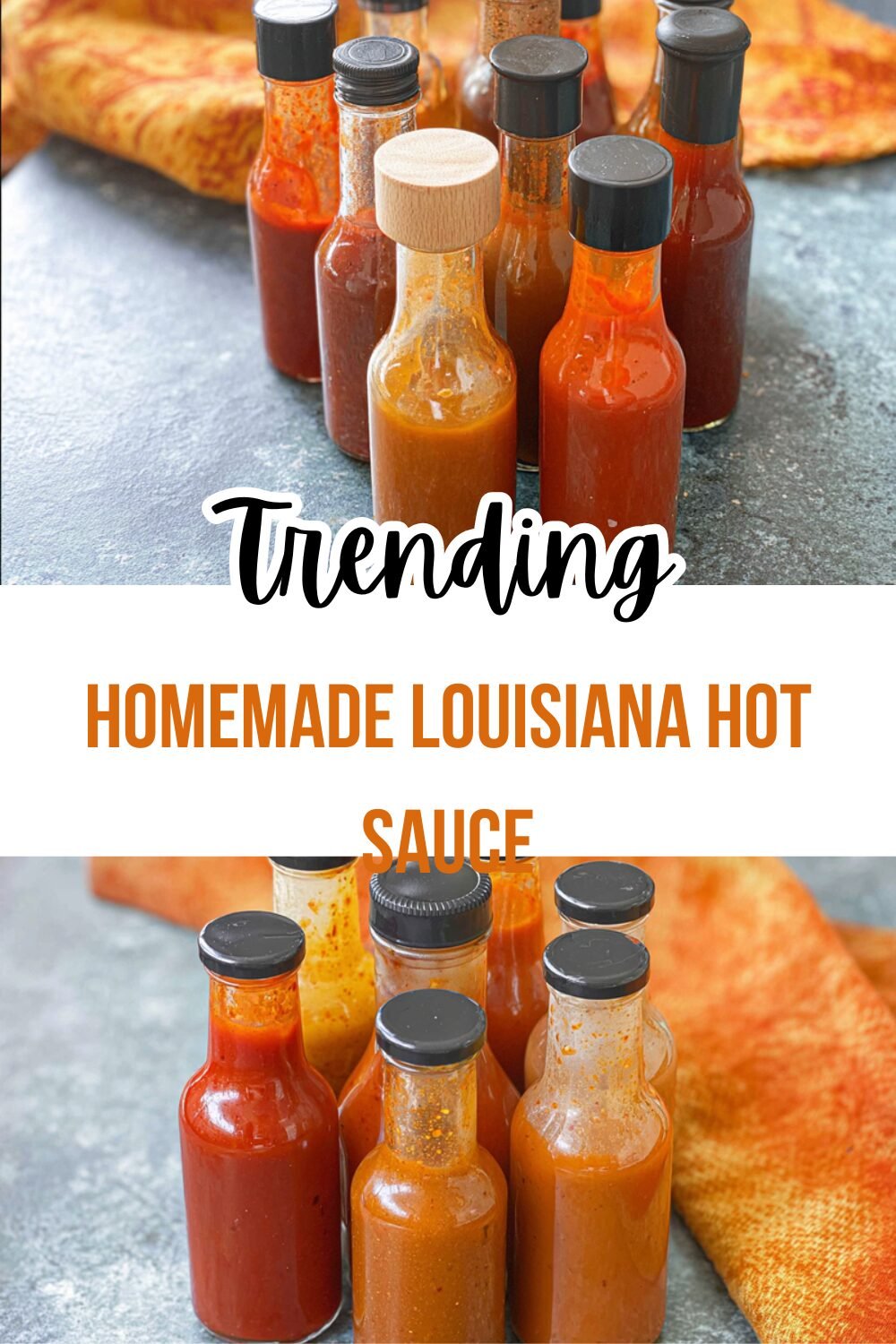
Proper storage keeps your homemade Louisiana hot sauce fresh and safe, so let’s cover the essentials. Always refrigerate it in airtight glass containers, aiming for a shelf life of up to 3 months. If you make a big batch, freezing in ice cube trays works well for up to 6 months, letting you grab just what you need.
When reheating, go gentle on the stove or microwave to preserve the taste. For meal prep, portioning into small containers helps cut down on waste, making it easier for students or seniors to enjoy. Remember, the sauce needs a pH below 4.0 for stability, which vinegar helps achieve, and shaking it before use fixes any natural separation.
FAQs: Frequently Asked Questions About Homemade Louisiana Hot Sauce
How long does homemade Louisiana hot sauce last in the fridge?
Homemade Louisiana hot sauce can last several months in the refrigerator when stored properly in a sealed bottle. The key factor for safe storage is acidity; the sauce should have a pH below 4.0 to prevent spoilage. To increase shelf life, use enough vinegar to maintain this acidity level. Always check for off smells or mold before use, and shake the bottle well as natural separation may occur over time.
What types of vinegar are best for making Louisiana hot sauce?
Distilled white vinegar is the traditional choice for Louisiana hot sauce, offering strong acidity and a clean flavor that mimics commercial recipes. However, you can experiment with other vinegars like apple cider for a slightly fruity sweetness or white wine vinegar for a milder taste. Choose vinegar based on your flavor preference, but ensure it provides enough acidity to preserve the sauce safely.
Should I use fresh or fermented peppers to make Louisiana hot sauce?
Fermenting peppers is the traditional method for Louisiana hot sauce and creates a mellow, tangy flavor with natural complexity. If you prefer a quicker process or a brighter, sharper heat, using fresh peppers is perfectly acceptable. Both methods produce delicious results; fermentation takes longer but enhances depth of flavor, while fresh peppers give a more immediate, vibrant taste.
Why does my homemade hot sauce separate, and how can I fix it?
Separation in homemade hot sauce is common because pepper solids and liquids naturally separate over time. To fix this, simply shake the bottle before each use. Using a high-powered blender can help create a more uniform texture, and adding small amounts of natural thickeners like xanthan gum can improve consistency and reduce separation.
Can I safely can homemade Louisiana hot sauce for long-term storage?
Yes, you can process homemade Louisiana hot sauce for longer shelf life by using proper water bath canning techniques. Make sure your sauce has sufficient acidity (pH below 4.0) before canning to prevent bacteria growth. Use sterilized jars and follow reliable canning guidelines to avoid spoilage and ensure safe storage at room temperature.
Homemade Louisiana Hot Sauce
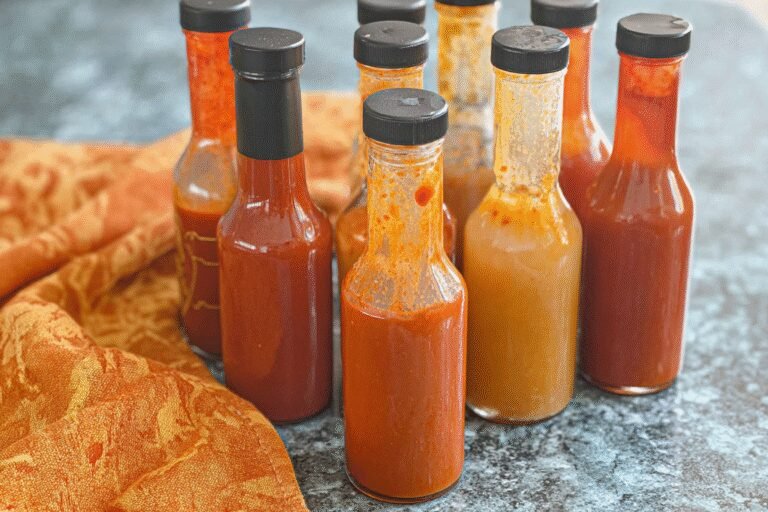
🌶️ Create your own authentic Louisiana hot sauce with this versatile recipe offering both traditional fermented and quick fresh options
🔥 Experience the deep, complex flavors of homemade hot sauce that puts store-bought versions to shame while controlling the exact heat level
- Total Time: 14 days 40 minutes
- Yield: 2–3 bottles 1x
Ingredients
1 pound (about 450 grams) red chili peppers (such as cayenne, tabasco, or red jalapeno), chopped
1 quart (approximately 950 ml) unchlorinated water
3 tablespoons salt
1/2 to 1 cup white wine vinegar, to taste
1 pound (about 450 grams) red chili peppers (such as cayenne, tabasco, or red jalapeno), chopped
1/2 to 1 teaspoon salt, to taste
1/2 to 1 cup white wine vinegar, to taste
Instructions
1- Chop the peppers and pack them into a jar, leaving about 1 inch of headspace to allow for expansion.
2- Mix the unchlorinated water and salt to prepare a brine, then pour it over the peppers until they are fully covered.
3- Ensure the peppers stay submerged to avoid spoilage, then seal the jar and place it in a cool, dark spot with temperatures between 55-75°F (13-24°C).
4- Ferment for at least one week, burping the jar daily to release gases as needed.
5- After 1 to 2 weeks, when the brine looks cloudy and acidic, transfer the peppers and brine to a pot.
6- Add the white wine vinegar, bring to a boil, and simmer for 15 minutes.
7- Cool slightly, blend until smooth, strain out solids, and bottle the sauce for storage.
8- Combine the chopped peppers, salt, and white wine vinegar in a pot.
9- Bring the mixture to a boil, then simmer for 10 minutes to soften the peppers.
10- Cool the mixture, blend until smooth, and add water if you need to adjust the consistency.
11- Strain out solids and bottle the sauce right away.
Last Step:
Please leave a rating and comment letting us know how you liked this recipe! This helps our business to thrive and continue providing free, high-quality recipes for you.Notes
🌡️ Use unchlorinated water for fermentation as chlorine can inhibit the beneficial bacteria needed for proper fermentation
🔴 Red peppers maintain the classic Louisiana hot sauce color and provide the traditional flavor profile
⏰ Fermentation mellows the heat and deepens flavor complexity, while the fresh version offers sharper, more immediate spiciness
- Prep Time: 10 minutes
- Fermentation Time: 7-14 days
- Cook Time: 30 minutes
- Category: Condiment
- Method: Fermentation and Cooking
- Cuisine: Louisiana
- Diet: Vegan, Gluten-Free
Nutrition
- Serving Size: 1 tablespoon
- Calories: 8
- Sugar: 1
- Sodium: 61
- Fat: 0
- Saturated Fat: 0
- Unsaturated Fat: 0
- Trans Fat: 0
- Carbohydrates: 2
- Fiber: 0
- Protein: 0
- Cholesterol: 0






This recipe takes me back to my grandmother’s kitchen in New Orleans! I can’t wait to try it this weekend with my fresh cayenne peppers from the garden. 🌶️ Do you think it would work with a mix of different chili peppers too?