

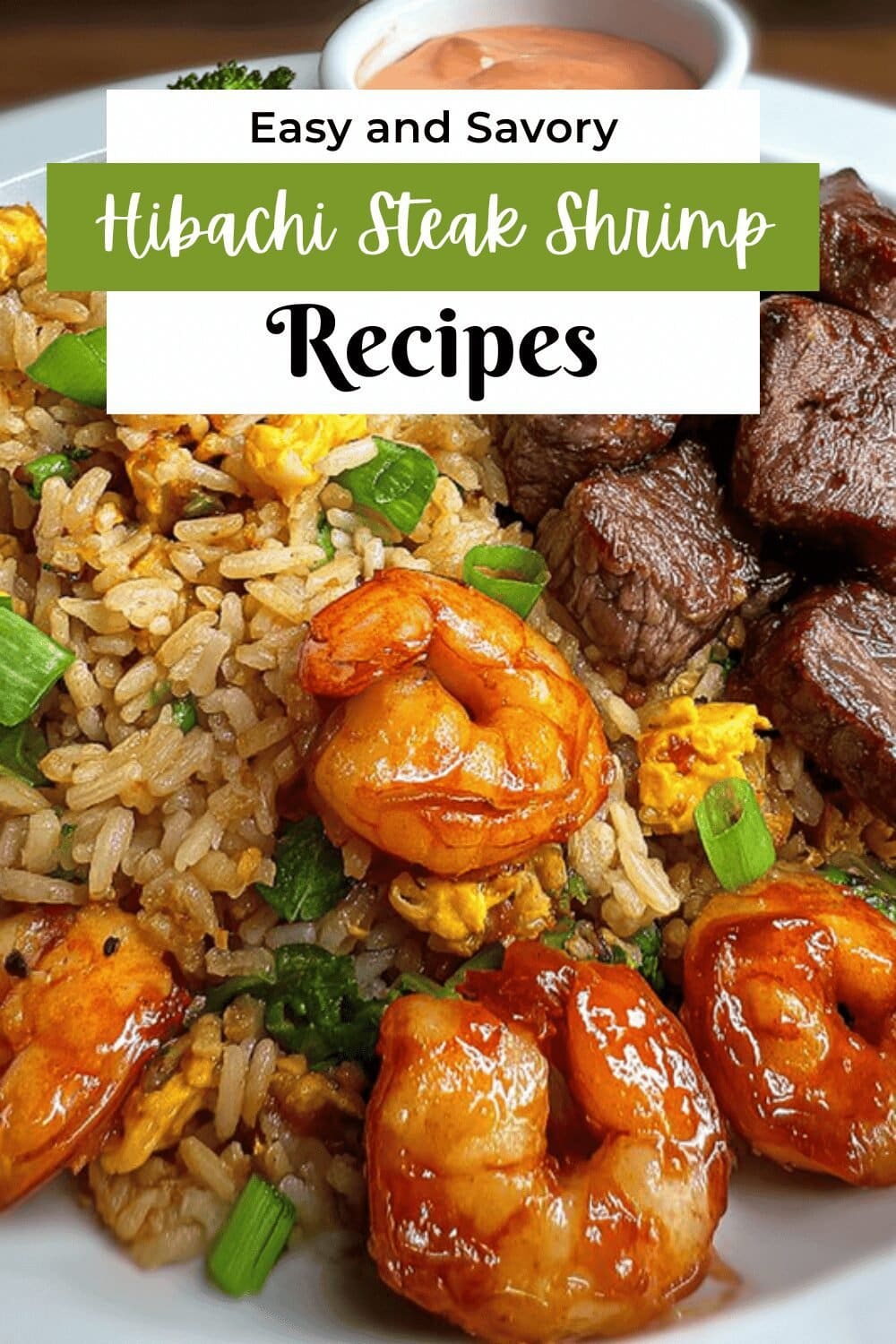
Why You’ll Love This Hibachi Steak Shrimp Rice
Imagine firing up your skillet for a quick, flavorful meal that brings the sizzle of a hibachi grill right to your kitchen sounds exciting, right? Hibachi steak shrimp rice combines tender steak, juicy shrimp, and fluffy rice into a dish that’s as easy to make as it is delicious. It’s packed with reasons why home cooks, busy parents, and outdoor cooking enthusiasts will want to add this to their weekly lineup.
This hibachi steak shrimp rice recipe scores big on simplicity, letting you whip up a satisfying dinner in no time at all. The blend of lean proteins and fresh flavors makes it a smart choice for anyone watching their diet, offering a boost of protein and nutrients without the fuss. Whether you’re a student juggling classes or a working professional craving something hearty, this dish adapts to your lifestyle while delivering that bold hibachi taste you love.
One of the best parts about hibachi steak shrimp rice is how it fits into various eating habits think gluten-free tweaks or low-carb swaps that don’t skimp on flavor. It’s versatile for family meals or solo nights, and that mix of savory soy sauces and garlic creates a mouthwatering harmony in every bite. For grilling fans inspired by authentic BBQ techniques, this recipe echoes the excitement of live-fire cooking while keeping things straightforward on a simple stovetop.
Dive deeper into the appeal, and you’ll see how it’s perfect for diet-conscious individuals looking for balanced options. With ingredients like fresh proteins and veggies, it supports your health goals while satisfying cravings. If you’re a weekend grill master, link this to your favorite grilled sides by checking out our grilled steak tacos for more smoky inspiration. All in all, this hibachi steak shrimp rice is a go-to recipe that keeps meals fun, fast, and full of authentic flavors.
Key Benefits for Different Lifestyles
For busy parents, this recipe means less time in the kitchen and more time with family, as it comes together in under 45 minutes. Students will appreciate the budget-friendly ingredients that still pack a punch, while seniors might enjoy the gentle spices that soothe the palate. Outdoor cooking enthusiasts can even adapt it for a backyard grill, tying into classic BBQ traditions like those shared on our blog.
Jump To
- 1. Why You’ll Love This Hibachi Steak Shrimp Rice
- 2. Essential Ingredients for Hibachi Steak Shrimp Rice
- 3. How to Prepare the Perfect Hibachi Steak Shrimp Rice: Step-by-Step Guide
- 4. Dietary Substitutions to Customize Your Hibachi Steak Shrimp Rice
- 5. Mastering Hibachi Steak Shrimp Rice: Advanced Tips and Variations
- 6. How to Store Hibachi Steak Shrimp Rice: Best Practices
- 7. FAQs: Frequently Asked Questions About Hibachi Steak Shrimp Rice
- 8. Hibachi Steak Shrimp Rice
Essential Ingredients for Hibachi Steak Shrimp Rice
Getting the ingredients just right is what makes hibachi steak shrimp rice shine, and we’re talking precise measurements to nail that perfect balance. Start with fresh, high-quality items to capture the authentic hibachi vibe in your own home. This section breaks down everything you need, formatted as a clear list for easy shopping and prep.
Hibachi Steak Ingredients
- 2-3 cubed filet mignon
- 2 tablespoons soy sauce
- 1.5 tablespoons minced garlic
- 1.5 tablespoons unsalted butter
- 1 tablespoon ginger paste
Hibachi Shrimp Ingredients
- 1 pound deveined and de-tailed shrimp
- 2 tablespoons soy sauce
- 1.5 tablespoons minced garlic
- 1.5 tablespoons unsalted butter
- 1 tablespoon ginger paste
Fried Rice Ingredients
- 3 cups day-old cooked white rice
- 2-3 fresh eggs
- 3 tablespoons soy sauce
- 2 tablespoons chopped white part of scallions
- 2 tablespoons minced garlic
- 1 teaspoon sesame oil
- Neutral cooking oil (as needed for frying)
Garnish Ingredients
- Hot sauce (to taste)
- Creamy white sauce (to taste)
- Chopped green part of scallions
- Toasted sesame seeds
This structured list ensures you have every item with exact quantities, making it simple to follow along. For special tweaks, like going vegan, swap meats for tofu or mushrooms to keep the hibachi spirit alive. Remember, fresh ingredients lead to the best results, so grab them from your local market and get ready to cook.
How to Prepare the Perfect Hibachi Steak Shrimp Rice: Step-by-Step Guide
Ready to dive into making hibachi steak shrimp rice? This straightforward guide walks you through each step, turning simple ingredients into a sizzling masterpiece. Preheat your skillet and let’s get started it’s easier than you might think and full of that classic hibachi flair.
- First Step: Gather and prep all ingredients by cubing the filet mignon, deveining the shrimp, and chopping any veggies or scallions. Cook your white rice ahead if it’s not day-old, following basic instructions for fluffy results.
- Second Step: Heat a large skillet over medium-high heat to about 350°F, then add a bit of neutral cooking oil. Sauté the minced garlic until it smells amazing, which takes roughly 30 seconds, to build a flavorful base.
- Third Step: Add the cubed filet mignon and sear for 1-2 minutes per side until a nice crust forms. Stir in soy sauce, unsalted butter, more minced garlic, and ginger paste, cooking until the steak hits an internal temperature of 120°F. Set it aside to stay warm.
- Fourth Step: In the same skillet, sear the shrimp for 1-2 minutes per side until they turn pink and curl up. Add soy sauce, unsalted butter, minced garlic, and ginger paste, then cook through and remove to keep warm.
- Fifth Step: Pour in a little more neutral oil and scramble 2-3 fresh eggs until fluffy, then set them aside. Next, sauté the chopped white part of scallions and any extra minced garlic for 3-4 minutes.
- Sixth Step: Toss in the 3 cups of day-old rice and stir-fry for 2-3 minutes. Mix in the soy sauce, sesame oil, and scrambled eggs, stirring everything together until it’s heated through and has your ideal texture.
- Final Step: Combine the cooked steak and shrimp with the fried rice, then garnish with chopped green scallions, hot sauce, creamy white sauce, and toasted sesame seeds. Serve it hot for the full hibachi experience. For variations, like using brown rice, check out tips in our grilled shrimp macaroni salad recipe for creative twists.
The whole process takes about 45 minutes, with 15 minutes prep and 30 minutes cooking, making it ideal for weeknights. Keep an eye on those sear times to lock in juices and flavors, just like a pro grill master would.

Dietary Substitutions to Customize Your Hibachi Steak Shrimp Rice
One of the coolest things about hibachi steak shrimp rice is how easy it is to tweak for different needs whether you’re going vegan or cutting calories. This section covers smart swaps that keep the dish tasty and true to its roots. Let’s explore options that fit your lifestyle without losing that bold flavor.
For protein lovers, swap the filet mignon with New York strip steak or even cubed chicken breast for a fresh take. If seafood isn’t your thing, replace shrimp with scallops or skip it altogether for allergy-friendly versions. Plant-based eaters can use firm tofu or mushrooms in place of meat, ensuring the dish stays hearty and satisfying.
When it comes to veggies and sauces, mix things up by adding seasonal produce like bell peppers or broccoli instead of standard ones. Opt for coconut aminos over soy sauce if you’re aiming for gluten-free or lower-sodium options. Feel free to amp up the seasonings with fresh ginger or chili flakes to match your spice level, making every version of hibachi steak shrimp rice feel new and exciting.
Quick Substitution Ideas
| Category | Original Ingredient | Substitution |
|---|---|---|
| Protein | 2-3 cubed filet mignon | Chicken breast or tempeh |
| Protein | 1 pound shrimp | Scallops or tofu |
| Sauce | 3 tablespoons soy sauce | Coconut aminos |
| Rice | 3 cups white rice | Brown rice or cauliflower rice |
These changes help maintain the essence of the dish while catering to preferences, like those for low-carb diets. It’s all about making hibachi steak shrimp rice work for you.
Mastering Hibachi Steak Shrimp Rice: Advanced Tips and Variations
Once you’ve nailed the basics, it’s time to level up your hibachi steak shrimp rice with some pro tips and fun twists. Think of this as your guide to turning a simple meal into a signature dish that wows everyone at the table. From searing techniques to creative flavor boosts, let’s make your cooking even better.
First off, focus on that perfect sear by preheating your pan properly and avoiding overcrowding it keeps the heat high for juicy results. Using a cast iron skillet helps with even cooking, just like in traditional grilling setups. For flavor variations, try swapping soy sauce for teriyaki glaze or adding fresh herbs like cilantro for a brighter kick.
Presentation matters too, so serve in shallow bowls with garnishes like toasted sesame seeds to make it look as good as it tastes. If you’re prepping ahead, cook the rice and proteins separately and store them for quick assembly later. These tricks tie into the passion for outdoor cooking, where mastering heat and seasoning creates unforgettable meals.
Remember, the key to great hibachi is in the details like using day-old rice for the best texture and neutral oils for high-heat stir-frying.
More Ways to Experiment
- Use brown rice for a nuttier twist or cauliflower rice for low-carb options.
- Add spicy elements like chili flakes to amp up the heat in your hibachi steak shrimp rice.
- Pair it with grilled sides for a full meal, inspired by our blog’s outdoor cooking tips.
How to Store Hibachi Steak Shrimp Rice: Best Practices
After enjoying your hibachi steak shrimp rice, proper storage keeps it fresh for leftovers. Follow these simple steps to maintain flavors and safety, whether you’re saving for tomorrow or freezing for later. It’s all about keeping that hibachi magic alive without any waste.
Start by placing leftovers in airtight containers and popping them in the fridge for up to 3 days. For longer storage, freeze in portioned, freezer-safe containers and use within 2 months to preserve taste and texture. When reheating, do it gently on the stove or in the microwave with a splash of water to avoid drying out.
Meal prep pros will love cooking in bulk and storing components separately, like rice and proteins, for easy reheating. This way, you keep everything as fresh as possible for those busy days ahead.
FAQs: Frequently Asked Questions About Hibachi Steak Shrimp Rice
Can I substitute other types of steak for hibachi steak in this recipe?
Yes, while filet mignon is the traditional choice for hibachi steak, you can use other cuts like New York strip or ribeye. These cuts offer a different texture and flavor but still work well when cooked quickly at high heat. For a leaner option, chicken breast cubes are also a popular alternative to steak in hibachi dishes.
Is it okay to use brown rice instead of white rice for hibachi shrimp rice?
Brown rice can be used as a substitute for white rice, though it will give the dish a nuttier flavor and chewier texture. Because brown rice takes longer to cook, it’s best to prepare it ahead of time. If you want to keep the traditional texture, using sushi-style sticky white rice is preferable. For low-carb diets, cauliflower rice is another good option.
What sauce works best with hibachi steak shrimp rice if I don’t have yum yum sauce?
Teriyaki sauce is a common alternative to yum yum sauce. It offers a sweet and savory flavor profile that complements the grilled steak and shrimp. Keep in mind, yum yum sauce is creamy and mildly tangy, so replacing it with teriyaki will change the taste. You might also consider soy sauce or a garlic butter sauce depending on your preference.
How much hibachi steak shrimp rice does this recipe serve?
This recipe typically serves 4 people. Serving sizes include generous portions of steak, shrimp, and rice along with vegetables. If you’re cooking for fewer or more people, adjust the ingredient amounts accordingly but maintain the cooking times for best results.
What vegetables are commonly added to hibachi steak shrimp rice?
Popular vegetables for hibachi steak shrimp rice include zucchini, mushrooms, onions, and carrots. These vegetables are usually sliced thin and cooked quickly on the hibachi grill to retain a slight crunch and fresh flavor. Adding a variety of vegetables not only enhances the dish’s texture but also adds color and nutrition.

Hibachi Steak Shrimp Rice
🍤 This Surf and Turf Hibachi Recipe combines classic steak and seafood flavors for a deliciously satisfying meal.
🔥 It offers a balanced dish with juicy filet mignon, tender shrimp, and flavorful fried rice, perfect for a special dinner or entertaining guests.
- Total Time: 45 minutes
- Yield: 4 servings 1x
Ingredients
2–3 cubed filet mignon
2 tablespoons soy sauce
1.5 tablespoons minced garlic
1.5 tablespoons unsalted butter
1 tablespoon ginger paste
1 pound deveined and de-tailed shrimp
2 tablespoons soy sauce
1.5 tablespoons minced garlic
1.5 tablespoons unsalted butter
1 tablespoon ginger paste
3 cups day-old cooked white rice
2–3 fresh eggs
3 tablespoons soy sauce
2 tablespoons chopped white part of scallions
2 tablespoons minced garlic
1 teaspoon sesame oil
Neutral cooking oil (as needed for frying)
Hot sauce (to taste)
Creamy white sauce (to taste)
Chopped green part of scallions
Toasted sesame seeds
Instructions
1-First Step: Gather and prep all ingredients by cubing the filet mignon, deveining the shrimp, and chopping any veggies or scallions. Cook your white rice ahead if it’s not day-old, following basic instructions for fluffy results.
2-Second Step: Heat a large skillet over medium-high heat to about 350°F, then add a bit of neutral cooking oil. Sauté the minced garlic until it smells amazing, which takes roughly 30 seconds, to build a flavorful base.
3-Third Step: Add the cubed filet mignon and sear for 1-2 minutes per side until a nice crust forms. Stir in soy sauce, unsalted butter, more minced garlic, and ginger paste, cooking until the steak hits an internal temperature of 120°F. Set it aside to stay warm.
4-Fourth Step: In the same skillet, sear the shrimp for 1-2 minutes per side until they turn pink and curl up. Add soy sauce, unsalted butter, minced garlic, and ginger paste, then cook through and remove to keep warm.
5-Fifth Step: Pour in a little more neutral oil and scramble 2-3 fresh eggs until fluffy, then set them aside. Next, sauté the chopped white part of scallions and any extra minced garlic for 3-4 minutes.
6-Sixth Step: Toss in the 3 cups of day-old rice and stir-fry for 2-3 minutes. Mix in the soy sauce, sesame oil, and scrambled eggs, stirring everything together until it’s heated through and has your ideal texture.
7-Final Step: Combine the cooked steak and shrimp with the fried rice, then garnish with chopped green scallions, hot sauce, creamy white sauce, and toasted sesame seeds. Serve it hot for the full hibachi experience. For variations, like using brown rice, check out tips in our grilled shrimp macaroni salad recipe for creative twists.
Last Step:
Please leave a rating and comment letting us know how you liked this recipe! This helps our business to thrive and continue providing free, high-quality recipes for you.Notes
🍚 Use day-old cooked white rice for best fried rice texture; store rice properly to prevent bacteria growth.
🥩 Substitute filet mignon with New York strip steak or cubed chicken breast if preferred.
🥦 Use brown rice, sushi rice, or cauliflower rice for variations or low-carb options.
🌿 Teriyaki sauce can replace creamy white sauce for a different flavor.
🔥 Use neutral cooking oils with high smoke points like canola or avocado oil; avoid olive oil for stir-frying rice.
- Prep Time: 15 minutes
- Cook Time: 30 minutes
- Category: Main Course
- Method: Searing, Stir-Frying
- Cuisine: Japanese-American
Nutrition
- Serving Size: 1 serving
- Calories: 444 kcal
- Sugar: 1 g
- Sodium: 1935 mg
- Fat: 13 g
- Saturated Fat: 7 g
- Unsaturated Fat: 6 g
- Trans Fat: 0.4 g
- Carbohydrates: 44 g
- Fiber: 4 g
- Protein: 34 g
- Cholesterol: 287 mg


