

Why You’ll Love This Creamy Mashed Potatoes
This creamy mashed potatoes recipe transforms humble tubers into a luxurious side dish that will steal the spotlight at any meal. Whether you’re serving a weeknight dinner or hosting a holiday feast, these buttery, velvety potatoes offer comfort and satisfaction in every bite.
Ease of preparation
Unlike some potato dishes that require extensive preparation or special equipment, this recipe comes together with simple tools found in any kitchen. The process involves basic steps: boiling, draining, mashing, and seasoning: that even cooking novices can master. With just about 30 minutes from start to finish, you can have restaurant-quality mashed potatoes ready to serve.
Health benefits
While often considered indulgent, potatoes offer significant nutritional value. They’re rich in vitamin C, potassium, and vitamin B6, plus they provide dietary fiber when prepared with their skins. By controlling the amount of added butter and cream, you can enjoy the nutritional benefits of potatoes while still achieving that creamy texture everyone loves. Using russet potatoes as your base ensures you’re getting the most nutrients while achieving the fluffiest texture.
Versatility
This mashed potatoes recipe adapts beautifully to various dietary needs and flavor preferences. It easily transforms into garlic mashed potatoes, dairy-free versions, or lighter preparations using chicken stock instead of cream. The basic technique remains the same regardless of your modifications, making this recipe a reliable foundation for countless variations.
Distinctive flavor
What sets these mashed potatoes apart is the careful balance of textures and flavors. The russet potatoes create a fluffy foundation, while butter adds richness and cream provides smoothness. A pinch of salt enhances natural potato flavors without overwhelming them. The result is a dish that tastes familiar yet exceptional: creamy without being heavy, flavorful without being complicated.
Jump To
- 1. Why You’ll Love This Creamy Mashed Potatoes
- 2. Essential Ingredients for Creamy Mashed Potatoes
- 3. How to Prepare the Perfect Creamy Mashed Potatoes: Step-by-Step Guide
- 4. Dietary Substitutions to Customize Your Creamy Mashed Potatoes
- 5. Mastering Creamy Mashed Potatoes: Advanced Tips and Variations
- 6. How to Store Creamy Mashed Potatoes: Best Practices
- 7. FAQs: Frequently Asked Questions About Creamy Mashed Potatoes
- 8. Creamy Mashed Potatoes
Essential Ingredients for Creamy Mashed Potatoes
The secret to outstanding mashed potatoes lies in using quality ingredients and understanding their roles in the final dish. Here’s everything you’ll need for this recipe:
Main Ingredients
- 5 pounds russet potatoes – These starchy potatoes create the fluffiest texture when mashed and absorb butter and cream beautifully
- 1 cup unsalted butter, softened – Provides rich flavor and silky texture
- 1 cup whole milk or heavy cream – Adds creaminess and helps achieve the perfect consistency
- 2 teaspoons salt – Enhances the natural potato flavor
- 1 teaspoon black pepper – Adds a subtle heat that balances the richness
- 3-4 cloves roasted garlic (optional) – For a mellow, aromatic garlic flavor
“The quality of your ingredients directly impacts the final result. For the creamiest mashed potatoes, use high-quality butter and fresh cream rather than margarine or low-fat alternatives.”
Special Dietary Options
- Vegan: Substitute plant-based butter and use unsweetened almond, soy, or oat milk instead of dairy products
- Gluten-free: Traditional mashed potatoes are naturally gluten-free, just ensure all added ingredients (like seasonings) are certified gluten-free
- Low-calorie: Replace half the butter with Greek yogurt or reduced-fat sour cream and use skim milk or chicken broth instead of cream
How to Prepare the Perfect Creamy Mashed Potatoes: Step-by-Step Guide
Creating the perfect bowl of creamy mashed potatoes requires attention to detail at each stage of preparation. Follow these steps for consistently excellent results every time.
First Step: Prepare and Cut the Potatoes
Start by peeling 5 pounds of russet potatoes under cold running water. Once peeled, cut them into evenly sized cubes, approximately 1-2 inches in size. This uniformity ensures all pieces cook at the same rate. As you cut, place the potato pieces in a large bowl of cold water to prevent oxidation and remove excess starch, which can make the potatoes gummy. Let them soak for 10-15 minutes, then drain and rinse.
While russet potatoes are recommended for this recipe, different varieties produce different results. Here’s how some common potato types compare for mashing:
| Potato Type | Starch Content | Texture When Mashed | Flavor Profile | Best For |
|---|---|---|---|---|
| Russet | High | Fluffy, light | Mild, earthy | Classic mashed potatoes |
| Yukon Gold | Medium | Creamy, dense | Naturally buttery | Rich, indulgent potatoes |
| Red | Low | Firm, waxy | Slightly sweet | Rustic, chunky potatoes |
| Fingerling | Low to Medium | Firm, creamy | Nutty | Gourmet variations |
| Purple | Medium | Creamy with vibrant color | Slightly sweet | Colorful presentation |
Second Step: Boil the Potatoes
Transfer the drained potatoes to a large pot and cover with cold water by about an inch. Add a generous tablespoon of salt to the water: this seasons the potatoes from the inside out as they cook. Bring the water to a boil over high heat, then reduce to medium and let the potatoes simmer gently. They should take about 15-20 minutes to become tender. Test doneness by inserting a fork into a cube: if it slides in and out easily with no resistance, the potatoes are ready.
“Start your potatoes in cold water rather than boiling water. This allows the potatoes to cook evenly throughout, preventing the outside from becoming mushy before the center is fully cooked.”
Third Step: Drain and Dry the Potatoes
Once cooked, drain the potatoes thoroughly in a colander. Return the drained potatoes to the warm pot and place it back on the still-warm burner for 1-2 minutes. This step evaporates excess moisture, which is crucial for achieving fluffy rather than watery mashed potatoes. Gently shake the pot to prevent the potatoes from sticking or burning. For even drier potatoes, you can transfer them to a baking sheet and place them in a 200°F oven for 5 minutes.
Fourth Step: Warm the Dairy Ingredients
While the potatoes are drying, warm your milk or cream and butter together in a small saucepan over low heat or in the microwave. You don’t need to bring them to a boil, just warm them enough that they won’t cool down the potatoes when added. Warm dairy incorporates more easily into the potatoes and creates a smoother final texture. If you’re using roasted garlic, now is the time to mash it into the warm butter mixture.
Fifth Step: Mash the Potatoes
Transfer the dried potatoes to a large bowl or keep them in the pot if it’s wide enough. Using a potato masher or ricer, begin mashing the potatoes. A ricer will give you the smoothest, lump-free result, while a hand masher will produce a slightly chunkier, more rustic texture. Mash until no large lumps remain, but avoid overworking the potatoes, which can make them gummy and glue-like.
Sixth Step: Add the Butter and Cream
Begin incorporating the warm butter and cream mixture into the mashed potatoes. Add about one-third at a time, gently folding it in with a spatula or wooden spoon. Continue adding until all the dairy has been incorporated. The potatoes should be creamy and smooth but not runny. If needed, add a splash more milk to achieve your desired consistency. Taste and adjust seasoning with additional salt and pepper as needed.
Final Step: Serve and Garnish
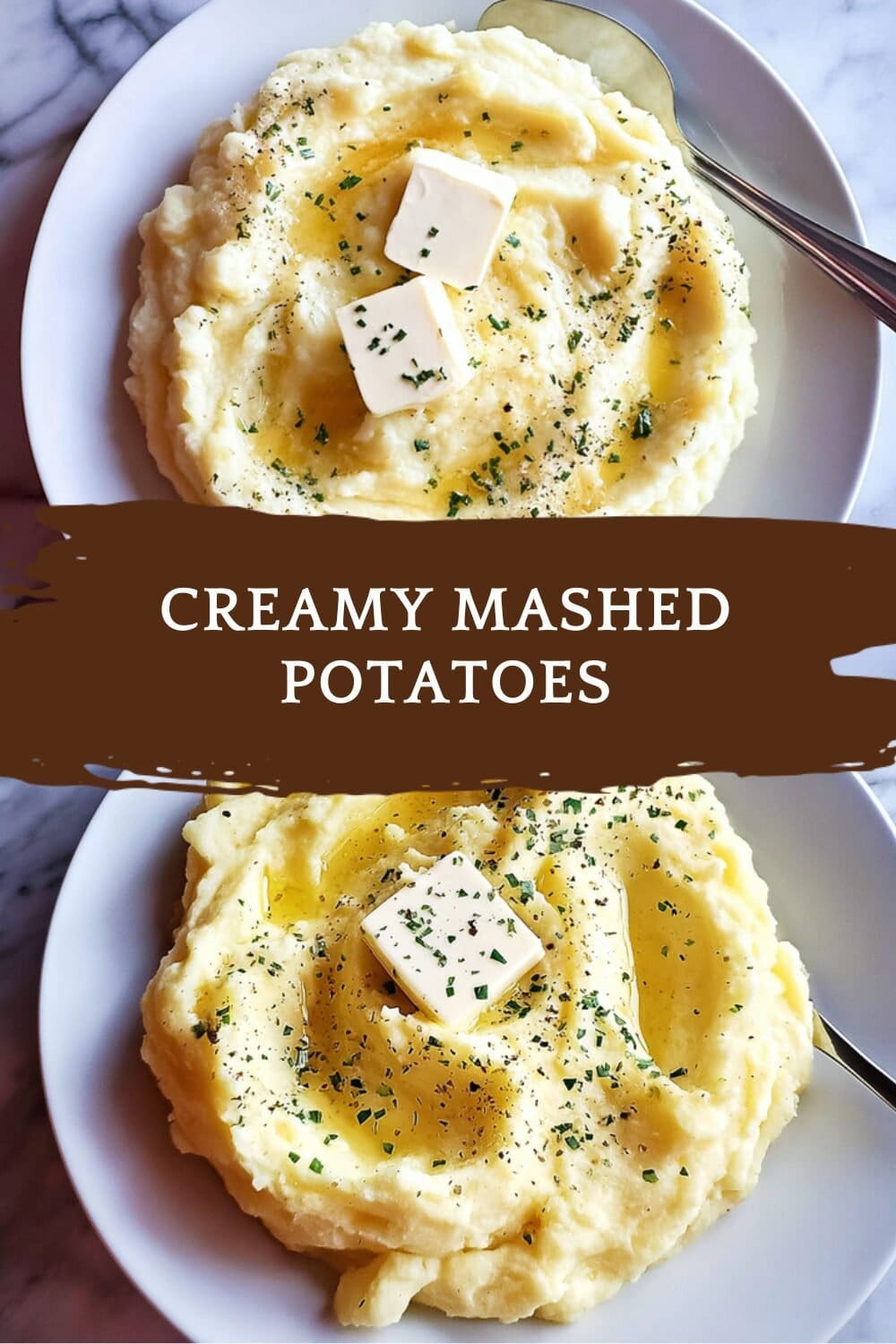
Transfer the creamy mashed potatoes to a serving bowl. For an elegant presentation, use the back of a spoon to create decorative swirls on the surface. Finish with a pat of butter on top, a sprinkle of fresh herbs like chives or parsley, or a dusting of paprika for color. Serve immediately while hot. These mashed potatoes pair beautifully with herb-infused filet mignon, grilled pork chops, or your favorite grilled meat.

Dietary Substitutions to Customize Your Creamy Mashed Potatoes
This versatile mashed potatoes recipe adapts easily to accommodate various dietary preferences and restrictions. With a few simple swaps, you can create a version that suits your needs without sacrificing flavor or texture.
Protein and Main Component Alternatives
For those looking to reduce carbohydrates or increase protein content, consider incorporating cauliflower into your mash. Replace half the potatoes with steamed cauliflower florets before mashing. This creates a lighter dish while maintaining the comforting texture of traditional mashed potatoes. The mild flavor of cauliflower complements the potatoes without overpowering them.
Another excellent protein addition is incorporating Greek yogurt or cottage cheese. These ingredients add creaminess while boosting protein content. Replace half the cream with plain Greek yogurt for a tangy flavor profile that cuts through the richness. For an ultra-smooth texture, blend cottage cheese with a little milk before adding it to the potatoes.
If you’re avoiding nightshades but still craving that comforting side dish, try mashed cauliflower or mashed celery root (celeriac). Both can be prepared using the same method as potatoes, resulting in surprisingly similar textures with different flavor profiles. Mashed parsnips offer another alternative with a slightly sweet taste that pairs well with savory main dishes.
Vegetable, Sauce, and Seasoning Modifications
Transform your mashed potatoes with creative vegetable additions. Finely chopped chives, green onions, or leeks add color and mild onion flavor. For a more robust taste, try caramelized onions, which introduce sweetness and depth. Roasted garlic cloves, mashed into the potatoes, provide aromatic complexity without the harshness of raw garlic.
Experiment with different liquid components to change the flavor profile. Replace some or all of the milk with vegetable or chicken broth for a lighter version with added savory notes. Goat cheese or blue cheese can be incorporated for a tangy, sophisticated twist. For a smoky element that aligns perfectly with the grilling theme, stir in a spoonful of bacon drippings or crumbled cooked bacon.
Seasoning variations allow you to customize the dish for different occasions. Fresh herbs like rosemary, thyme, or sage add earthy notes that complement roasted meats. A pinch of nutmeg enhances the natural sweetness of the potatoes, while smoked paprika introduces a subtle smoky flavor that pairs beautifully with grilled dishes. For heat lovers, a dash of cayenne pepper or chopped jalapeños creates a spicy version of the classic.
Mastering Creamy Mashed Potatoes: Advanced Tips and Variations
Once you’ve mastered the basic technique, these expert tips and creative variations will help you take your mashed potatoes from good to outstanding. Professional chefs and experienced home cooks use these methods to achieve consistently impressive results.
Pro Cooking Techniques
For the ultimate smooth texture, consider using a food mill or potato ricer instead of a traditional masher. These tools process the potatoes more uniformly, eliminating lumps without overworking the starches. When using a ricer, press the cooked potatoes directly into the warm pot, then gently fold in your butter and cream mixture.
Temperature control is essential for perfect mashed potatoes. Never add cold butter or milk to hot potatoes, as this can create a gluey texture. Similarly, avoid using an electric mixer or food processor, which breaks down the potato cells and releases too much starch, resulting in a gummy consistency. Hand mashing preserves the cellular structure for fluffier results.
“The secret to restaurant-quality mashed potatoes is treating them gently. Hand mash or use a ricer, keep your dairy warm, and fold rather than stir to maintain that perfect fluffy texture.”
For extra flavorful potatoes, boil them with aromatics. Add a few crushed garlic cloves, bay leaves, or sprigs of thyme to the cooking water. The potatoes absorb these subtle flavors as they cook. After draining, remove the aromatics before mashing. This technique infuses flavor throughout the potatoes rather than just on the surface.
Flavor Variations
Create distinctive mashed potato variations by incorporating different flavor profiles. For a French-inspired version, try pomme purée by using more butter (up to a 1:4 ratio of butter to potatoes) and passing the potatoes through a sieve multiple times for an incredibly silky texture. Irish colcannon adds chopped cooked cabbage or kale for color and nutrition, while Italian-style mashed potatoes might include fontina cheese and sage.
Horseradish mashed potatoes offer a zesty kick that cuts through rich meats like prime rib or braised short ribs. Simply fold in prepared horseradish to taste after mashing. For a Mediterranean twist, try mixing in sun-dried tomatoes, fresh basil, and a sprinkle of feta cheese. These variations showcase how versatile this simple dish can be.
Roasted vegetable purees can add both flavor and nutrition. Try blending roasted cauliflower, parsnips, or even roasted garlic into your mashed potatoes. This technique creates complex flavors while maintaining the beloved creamy texture. If you’re looking for more inspiration for side dishes that pair perfectly with grilled meats, check out other creative potato recipes that can elevate your barbecue experience.
Presentation Tips
Transform your mashed potatoes from a side dish into a showstopper with simple presentation techniques. Use a piping bag fitted with a large star tip to create elegant swirls on the plate: a technique used in high-end restaurants. For a rustic presentation, spoon the potatoes into a serving dish and create texture on the surface using the back of a spoon.
Consider serving mashed potatoes in individual ramekins, topped with melted cheese and briefly broiled for a golden, bubbly finish. Another impressive option is to form the chilled mashed potatoes into small patties and pan-fry them in butter until golden brown, creating crispy potato cakes with a creamy interior.
Garnishes add color and flavor contrast. Try fresh herbs like chives, parsley, or thyme; a sprinkle of crispy fried shallots; or a drizzle of truffle oil for luxury. These finishing touches demonstrate attention to detail and make the dish feel special.
Make-Ahead Options
Despite their reputation as a last-minute side dish, mashed potatoes can be prepared ahead of time with proper technique. Make the potatoes completely, then transfer them to a buttered baking dish. Let them cool completely, cover tightly, and refrigerate for up to two days. To reheat, bring to room temperature, then bake at 350°F for 20-30 minutes until hot throughout. You may need to stir in a splash of warm milk to restore the creamy texture.
For a convenient make-ahead option, consider making mashed potato cakes with leftovers or intentionally prepared excess. Form cold mashed potatoes into patties, coat with breadcrumbs, and pan-fry until crispy. These freeze exceptionally well and can be quickly reheated for a satisfying side dish or even a light meal.
Another time-saving approach is to peel and cut the potatoes a day ahead. Store them submerged in cold water in the refrigerator, changing the water once to prevent them from becoming gray or waterlogged. This prep work significantly reduces cooking time when you’re ready to make the recipe.
How to Store Creamy Mashed Potatoes: Best Practices
Proper storage ensures your creamy mashed potatoes maintain their quality and safety for future meals. Whether you have leftovers from a big dinner or you intentionally made extra for meal prep, these guidelines will help you store them correctly.
Refrigeration
Allow mashed potatoes to cool to room temperature within two hours of cooking, then transfer them to an airtight container. Properly stored, they will last in the refrigerator for 3-5 days. Before refrigerating, smooth the surface and press a piece of plastic wrap directly against the potatoes to prevent a skin from forming. When reheating refrigerated mashed potatoes, you may need to stir in a splash of warm milk or cream to restore the original creamy consistency.
Freezing
For longer storage, mashed potatoes freeze surprisingly well. Portion them into freezer-safe containers or resealable bags, leaving about an inch of space at the top as they will expand slightly when frozen. Label with the date and contents. Frozen mashed potatoes maintain best quality for up to 10-12 months. For easiest reheating, freeze in individual portions that can be quickly thawed and warmed as needed.
Thaw frozen mashed potatoes overnight in the refrigerator before reheating. If you’re in a hurry, you can reheat them directly from frozen, though this may take longer and require more frequent stirring to prevent hot spots.
Reheating
The best method for reheating mashed potatoes depends on your equipment and time constraints. For the best texture, reheat in a saucepan over low heat, adding a splash of milk or cream and stirring frequently until heated through. This method allows you to adjust the consistency as you go.
Alternatively, you can reheat in the microwave, covered with a damp paper towel to prevent drying out. Heat in 30-second intervals, stirring between each, until hot throughout. For larger quantities, the oven works well: place potatoes in an oven-safe dish, add a little cream or butter on top, cover, and bake at 350°F until heated through (about 20-30 minutes).
Meal Prep Considerations
Mashed potatoes are excellent for meal prep when stored correctly. Consider portioning into individual containers for grab-and-go lunches. They pair well with prepped proteins like oven-baked ribs or grilled salmon.
For planned leftovers, consider making a slightly firmer consistency initially, as they will soften slightly during storage and reheating. Avoid adding excessive garnishes or toppings before storing: add these fresh when serving for the best texture and appearance.
FAQs: Frequently Asked Questions About Creamy Mashed Potatoes
Print
Creamy Mashed Potatoes
🥔 Savor ultra-creamy, fluffy mashed potatoes bursting with buttery richness and perfect seasoning.
🥔 Effortless recipe that upgrades any meal—holiday tables or everyday dinners love it!
- Total Time: 40 minutes
- Yield: 10 servings
Ingredients
– 5 pounds russet potatoes for fluffiest texture
– 1 cup unsalted butter, softened for rich flavor and silky texture
– 1 cup whole milk or heavy cream for creaminess and perfect consistency
– 2 teaspoons salt for enhancing potato flavor
– 1 teaspoon black pepper for subtle heat that balances richness
– 3-4 cloves roasted garlic (optional) for mellow, aromatic garlic flavor
Instructions
1-First Step: Prepare and Cut the Potatoes Start by peeling 5 pounds of russet potatoes under cold running water. Once peeled, cut them into evenly sized cubes, approximately 1-2 inches in size. This uniformity ensures all pieces cook at the same rate. As you cut, place the potato pieces in a large bowl of cold water to prevent oxidation and remove excess starch, which can make the potatoes gummy. Let them soak for 10-15 minutes, then drain and rinse.
2-Second Step: Boil the Potatoes Transfer the drained potatoes to a large pot and cover with cold water by about an inch. Add a generous tablespoon of salt to the water: this seasons the potatoes from the inside out as they cook. Bring the water to a boil over high heat, then reduce to medium and let the potatoes simmer gently. They should take about 15-20 minutes to become tender. Test doneness by inserting a fork into a cube: if it slides in and out easily with no resistance, the potatoes are ready.
3-Third Step: Drain and Dry the Potatoes Once cooked, drain the potatoes thoroughly in a colander. Return the drained potatoes to the warm pot and place it back on the still-warm burner for 1-2 minutes. This step evaporates excess moisture, which is crucial for achieving fluffy rather than watery mashed potatoes. Gently shake the pot to prevent the potatoes from sticking or burning. For even drier potatoes, you can transfer them to a baking sheet and place them in a 200°F oven for 5 minutes.
4-Fourth Step: Warm the Dairy Ingredients While the potatoes are drying, warm your milk or cream and butter together in a small saucepan over low heat or in the microwave. You don’t need to bring them to a boil, just warm them enough that they won’t cool down the potatoes when added. Warm dairy incorporates more easily into the potatoes and creates a smoother final texture. If you’re using roasted garlic, now is the time to mash it into the warm butter mixture.
5-Fifth Step: Mash the Potatoes Transfer the dried potatoes to a large bowl or keep them in the pot if it’s wide enough. Using a potato masher or ricer, begin mashing the potatoes. A ricer will give you the smoothest, lump-free result, while a hand masher will produce a slightly chunkier, more rustic texture. Mash until no large lumps remain, but avoid overworking the potatoes, which can make them gummy and glue-like.
6-Sixth Step: Add the Butter and Cream Begin incorporating the warm butter and cream mixture into the mashed potatoes. Add about one-third at a time, gently folding it in with a spatula or wooden spoon. Continue adding until all the dairy has been incorporated. The potatoes should be creamy and smooth but not runny. If needed, add a splash more milk to achieve your desired consistency. Taste and adjust seasoning with additional salt and pepper as needed.
7-Final Step: Serve and Garnish Transfer the creamy mashed potatoes to a serving bowl. For an elegant presentation, use the back of a spoon to create decorative swirls on the surface. Finish with a pat of butter on top, a sprinkle of fresh herbs like chives or parsley, or a dusting of paprika for color. Serve immediately while hot. These mashed potatoes pair beautifully with herb-infused filet mignon, grilled pork chops, or your favorite grilled meat.
Last Step:
Please leave a rating and comment letting us know how you liked this recipe! This helps our business to thrive and continue providing free, high-quality recipes for you.Notes
🥔 Choose starchy potatoes like Russets for the fluffiest, lightest texture.
🧈 Always warm your dairy before adding to avoid gummy potatoes.
🔪 Pass through a ricer or food mill for the smoothest, lump-free mash.
- Prep Time: 15 minutes
- Cook Time: 25 minutes
- Category: Side Dish
- Method: Stovetop
- Cuisine: American
- Diet: Vegetarian
Nutrition
- Serving Size: 1 cup
- Calories: 250
- Sugar: 3g
- Sodium: 500mg
- Fat: 15g
- Saturated Fat: 9g
- Unsaturated Fat: 5g
- Trans Fat: 0g
- Carbohydrates: 30g
- Fiber: 3g
- Protein: 4g
- Cholesterol: 40mg


