

Why You’ll Love This Cook Rice
Learning how to cook rice perfectly is a fundamental skill that transforms simple grains into a delicious staple. This method guarantees fluffy rice every time, making it a reliable side dish for countless meals. Whether you are a beginner in the kitchen or a seasoned home cook, mastering this technique offers several distinct advantages.Ease of Preparation
This approach to cooking rice is incredibly straightforward and requires minimal active cooking time. Once you bring the water to a boil and reduce the heat, the rice essentially cooks itself. It is a hands-off method that frees you up to prepare the rest of your meal. You do not need any specialized equipment, just a simple pot with a tight-fitting lid. This simplicity makes it perfect for busy weeknights when you need a quick and easy side dish.Health Benefits
Rice is a versatile carbohydrate that provides energy and essential nutrients. When you cook rice at home, you have complete control over what goes into it. You can limit sodium and unhealthy fats, making it a heart-healthy choice. Brown rice, in particular, offers whole grain benefits, including fiber which aids in digestion. By avoiding pre-packaged seasoned rice mixes, you avoid preservatives and excessive additives, ensuring a cleaner, healthier meal for you and your family.Versatility
Perfectly cooked rice serves as an excellent blank canvas for a variety of flavors and dietary needs. It pairs wonderfully with grilled meats, stir-fries, and stews. You can easily adapt the cooking liquid to include vegetable or chicken broth for added depth. It fits seamlessly into vegan, vegetarian, and gluten-free diets. This adaptability makes it a go-to staple that can complement nearly any main course you prepare, from savory grilled sirloin steak to spicy chicken dishes.Distinctive Flavor
While rice is often seen as a neutral side, properly cooked grains have a subtle, nutty sweetness and a pleasing texture. By using the correct rice to water ratio and allowing the rice to steam properly, you achieve individual grains that are tender yet firm. This superior texture stands in stark contrast to mushy or gummy rice. A pinch of salt and a dab of butter can highlight the natural flavor of the grain, making it a delicious and satisfying component of any meal.Jump To
- 1. Why You’ll Love This Cook Rice
- 2. Essential Ingredients for Cook Rice
- 3. How to Prepare the Perfect Cook Rice: Step-by-Step Guide
- 4. Dietary Substitutions to Customize Your Cook Rice
- 5. Mastering Cook Rice: Advanced Tips and Variations
- 6. How to Store Cook Rice: Best Practices
- 7. FAQs: Frequently Asked Questions About Cook Rice
- 8. Cook Rice
Essential Ingredients for Cook Rice
To achieve the best results, gathering the right ingredients is the first critical step. The list is short, but the quality of each item impacts the final texture and taste of your dish.Main Ingredients
- 1 cup White or Brown Rice – The base of the dish; long-grain varieties like Jasmine or Basmati yield fluffier results.
- 2 cups Water (for white rice) or 2.5 cups Water (for brown rice) – The exact liquid needed to hydrate the grains for a tender texture.
- 1/2 teaspoon Salt – Enhances the natural flavor of the rice and prevents it from tasting bland.
- 1 tablespoon Unsalted Butter or Olive Oil – Optional but adds richness and helps keep the grains separate.
Special Dietary Options
- Vegan: This recipe is naturally vegan if you omit the butter or use a plant-based oil like olive oil or coconut oil.
- Gluten-free: Rice is inherently gluten-free, making this a safe and delicious side dish for those with celiac disease or gluten sensitivity.
- Low-calorie: For a lighter version, skip the butter or oil and reduce the amount of salt slightly.
How to Prepare the Perfect Cook Rice: Step-by-Step Guide
Follow these detailed instructions to master the stovetop method. This technique works for standard white rice, brown rice, Jasmine, and Basmati with slight adjustments to the water ratio and cooking time.Preparation and Rinsing
First Step: Measure your rice and water accurately using a standard measuring cup. For long-grain white rice, use the 2:1 ratio (2 cups water to 1 cup rice). Place the rice in a fine-mesh strainer and rinse it thoroughly under cold running water. Rinse until the water runs clear, usually about 30 to 60 seconds. This crucial step removes excess starch, which is the primary cause of gummy or sticky rice. Shake off any excess water. Second Step: Combine the rinsed rice, water, salt, and butter or oil (if using) in a medium saucepan. It is best to use a pot with a heavy bottom to ensure even heat distribution and prevent the rice at the bottom from scorching. Give the mixture a quick stir to dissolve the salt and distribute the fat. Bring the water to a rolling boil over high heat.The Cooking Process
Third Step: Once the water reaches a full boil, immediately reduce the heat to low. You want the water to simmer gently, not boil vigorously. Cover the pot with a tight-fitting lid. This trap the steam inside, which is essential for cooking the rice evenly. Do not lift the lid to check on the rice during the cooking process. Letting the steam escape will interfere with the cooking process and lead to uneven results. Fourth Step: Simmer the rice according to the type you are using. White rice typically needs 15 to 18 minutes, while brown rice requires 40 to 45 minutes due to the fibrous bran layer. Listen for the sound of the water simmering; it should be a gentle, consistent bubbling. If you hear sizzling or popping sounds, the heat may be too high, and you should lower it slightly to prevent burning.Steaming and Serving
Fifth Step: Once the cooking time is complete, turn off the heat. Remove the pot from the burner. Do not remove the lid yet. Let the rice rest, covered, for about 10 minutes. This resting period allows the moisture to redistribute evenly throughout the pot, ensuring the bottom layer is not soggy and the top layer is fully cooked. This steaming phase is the secret to fluffy white rice and separate grains. Final Step: After the resting period, remove the lid. You will see small holes on the surface where steam has escaped. Fluff the rice gently with a fork to separate the grains. Serve warm as a side dish or use it as a base for your favorite recipes. For a complete meal, try pairing your perfect rice with grilled chicken thighs or a savory stir-fry.
Dietary Substitutions to Customize Your Cook Rice
One of the great things about rice is its adaptability. You can easily modify the ingredients to suit different nutritional needs or simply to change up the flavor profile.Protein and Main Component Alternatives
While this guide focuses on plain rice, you can easily turn it into a main dish by adding protein. Stir in shredded cooked chicken, tofu cubes, or edamame during the last few minutes of cooking to warm them through. For a breakfast option, you can cook the rice with milk instead of water, sweeten it with honey or maple syrup, and mix in protein powder or Greek yogurt for a high-protein start to the day. You can also mix in cooked beans like black beans or kidney beans for a hearty, fiber-rich meal that works as a standalone lunch or dinner.Vegetable, Sauce, and Seasoning Modifications
Boost the nutritional value and color of your rice by adding vegetables. Frozen peas, corn, or diced carrots can be added to the pot along with the water. For fresh vegetables like spinach or bell peppers, stir them in right after you turn off the heat so they wilt slightly without becoming mushy. Instead of plain water, try cooking the rice in vegetable broth, chicken broth, or coconut milk for a deeper flavor. You can also season the rice with garlic powder, onion powder, dried herbs like thyme or oregano, or a saffron strand for a vibrant yellow color and aromatic taste. A squeeze of fresh lemon or lime juice right before serving adds a bright, acidic note that lifts the entire dish.Mastering Cook Rice: Advanced Tips and Variations
Once you have the basic method down, you can use these expert tips to take your rice to the next level. These techniques help you refine the texture and explore new flavor possibilities.Pro Cooking Techniques
For the fluffiest basmati rice, soak the grains in cold water for 30 minutes before cooking. This softens the outer bran and allows the grains to expand without breaking. Another advanced technique is to toast the rice in a dry pan or with a little oil before adding the water. This gives the rice a nutty flavor and helps the grains stay separate. Always use a heavy-bottomed pot with a tight-fitting lid to maintain a consistent temperature. If your rice is still crunchy after the resting period, add a tablespoon or two of water, cover again, and cook on low for another 5 minutes.Flavor Variations
Experiment with different fats to change the character of the rice. Coconut oil pairs beautifully with jasmine rice, while ghee (clarified butter) adds a rich, savory depth suitable for Indian-inspired dishes. You can infuse the water with aromatics by adding a bay leaf, a cinnamon stick, or cardamom pods to the pot before cooking. For a pilaf-style rice, sauté diced onions and garlic in the pot until softened, then add the rice and toast it briefly before adding the liquid.Presentation Tips
To serve rice impressively, use a measuring cup to pack the rice tightly, then invert it onto a plate for a neat mound. Garnish with finely chopped fresh herbs like cilantro, parsley, or green onions to add a pop of color and freshness. A sprinkle of toasted sesame seeds or sliced almonds adds a delightful crunch. For a festive look, mix in pomegranate seeds or chopped dried cranberries just before serving.Make-Ahead Options
Rice is excellent for meal prep. You can cook a large batch on Sunday and use it throughout the week for bowls, stir-fries, or fried rice. To store, cool the rice quickly and refrigerate in airtight containers. It stays fresh in the refrigerator for up to 5 days. You can also freeze cooked rice in portion-sized bags for up to 3 months. To reheat frozen rice, simply microwave it with a splash of water to restore moisture.How to Store Cook Rice: Best Practices
Proper storage is essential for maintaining the quality and safety of your cooked rice. Because rice can harbor bacteria if left at room temperature for too long, following these guidelines is crucial.Refrigeration
If you have leftovers, do not leave the cooked rice out at room temperature for more than two hours. Transfer the rice to an airtight container or a sealable plastic bag once it has cooled slightly. It is best to refrigerate it within one hour of cooking. Properly stored, cooked rice will last in the refrigerator for 4 to 6 days. Keeping it sealed prevents the rice from absorbing odors from other foods in the fridge and stops it from drying out.Freezing
For longer storage, freezing is an excellent option. Portion the cooled rice into freezer-safe bags or containers. Flatten the bags to save space and ensure they freeze quickly. Label them with the date. Frozen cooked rice maintains its best quality for about 6 months, though it remains safe to eat beyond that. Thaw the rice in the refrigerator overnight before reheating, or reheat it directly from the frozen state.Reheating
When reheating rice, add a tablespoon of water or broth per cup of rice to restore moisture. You can reheat it in the microwave, covered with a damp paper towel, or in a saucepan over low heat. Stir occasionally to ensure even heating. The rice should reach an internal temperature of 165°F (74°C) to ensure it is safe to eat. Avoid reheating rice more than once to maintain texture and safety.Meal Prep Considerations
Cooked rice is a cornerstone of meal prep. Prepare a large batch of grains at the start of the week. Divide it into single-serve containers for easy lunches. You can pair it with pre-cooked proteins and chopped vegetables for a balanced meal in minutes. Having cooked rice on hand makes it incredibly easy to whip up a quick fried rice or add bulk to a soup.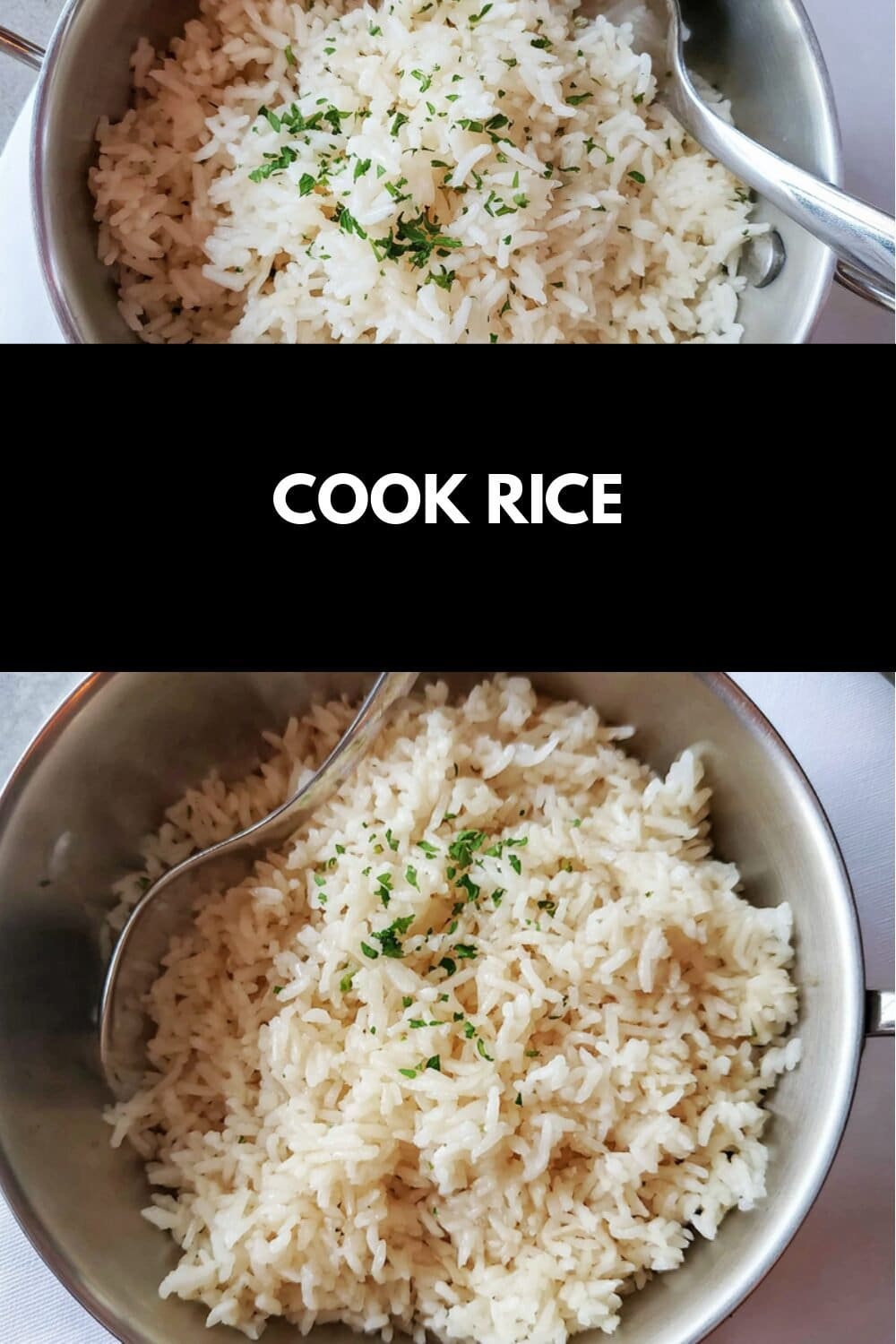
FAQs: Frequently Asked Questions About Cook Rice
How do you cook rice on the stove?
To cook rice on the stove, start with 1 cup of white rice and 2 cups of water for long-grain varieties. Rinse the rice under cold water until it runs clear to remove excess starch. In a medium saucepan, bring the water to a boil over high heat, add a pinch of salt, and stir in the rice. Reduce heat to low, cover tightly, and simmer for 15-18 minutes without lifting the lid. Remove from heat and let it steam covered for 10 more minutes. Fluff with a fork before serving. This method yields about 3 cups of cooked rice. For brown rice, use a 2.5:1 water ratio and simmer 40-45 minutes. Always use a heavy-bottomed pot to prevent burning. (92 words)
What is the water to rice ratio?
The standard water to rice ratio is 2:1 for white rice—2 cups water per 1 cup rice—producing fluffy results on the stove or in a rice cooker. For brown rice, increase to 2.5:1 due to its bran layer absorbing more liquid. Jasmine or basmati may need 1.75:1 for stickier or drier textures. Always rinse rice first and adjust slightly based on your appliance or altitude (add 10-20% more water at high elevations). Measure by volume, not weight, for consistency. Test a small batch to perfect it for your setup. This ratio works for most home cooks and minimizes soggy or undercooked rice. (98 words)
How to cook rice in a rice cooker?
Cooking rice in a rice cooker is simple: measure 1 cup rice, rinse until water clears, and add to the pot with 2 cups water (adjust for type—brown needs more). Add salt if desired, close the lid, and select the white rice setting. It typically takes 20-30 minutes, including a keep-warm phase. The cooker auto-shuts off to prevent overcooking. For best results, avoid opening the lid during cooking. Fluff after 10 minutes resting. Rice cookers handle batches up to 6-8 cups perfectly. Clean the pot after each use to avoid residue buildup. This hands-off method is ideal for busy weeknights. (102 words)
How long does rice take to cook?
White rice cooks in 15-20 minutes on the stove or 20-30 minutes in a rice cooker, plus 10 minutes resting. Brown rice takes longer: 40-50 minutes stovetop or 45-60 minutes in a cooker due to tougher grains. Instant or parboiled rice is quickest at 5-10 minutes. Factors like rice age, altitude, and pot type affect timing—fresher rice cooks faster. Always check doneness by tasting; grains should be tender but firm. Overcooking leads to mushiness, so use a timer. For meal prep, batch-cook and refrigerate up to 5 days. Microwave reheats work well with a splash of water. (96 words)
How can I make rice fluffy and not sticky?
For fluffy, non-sticky rice, rinse thoroughly 3-4 times to remove starch—key for all types. Use the exact 2:1 water ratio for white rice, and don’t stir after boiling starts. Cook covered on low heat without peeking to trap steam. Rest 10 minutes post-cook before fluffing with a fork, not a spoon. Soak rice 30 minutes beforehand for extra separation, especially basmati. Add a teaspoon of oil or butter to prevent clumping. Avoid overcrowding the pot. Store in a cool place if not serving immediately. These steps turn sticky rice into light, separate grains every time. (94 words)

Cook Rice
🍚 Master fluffy, separate-grain rice every time with this foolproof stovetop method—no more mushy disasters!
🍚 Versatile base for any meal, ready in 25 minutes using basic pantry staples for perfect results consistently.
- Total Time: 35 minutes
- Yield: 3 cups cooked rice
Ingredients
– 1 cup White or Brown Rice for the base of the dish
– 2 cups Water (for white rice) or 2.5 cups Water (for brown rice) to hydrate the grains for a tender texture
– 1/2 teaspoon Salt to enhance flavor
– 1 tablespoon Unsalted Butter or Olive Oil to add richness and keep the grains separate
Instructions
1-First Step: Measure your rice and water accurately using a standard measuring cup. For long-grain white rice, use the 2:1 ratio (2 cups water to 1 cup rice). Place the rice in a fine-mesh strainer and rinse it thoroughly under cold running water. Rinse until the water runs clear, usually about 30 to 60 seconds. This crucial step removes excess starch, which is the primary cause of gummy or sticky rice. Shake off any excess water.
2-Second Step: Combine the rinsed rice, water, salt, and butter or oil (if using) in a medium saucepan. It is best to use a pot with a heavy bottom to ensure even heat distribution and prevent the rice at the bottom from scorching. Give the mixture a quick stir to dissolve the salt and distribute the fat. Bring the water to a rolling boil over high heat.
3-Third Step: Once the water reaches a full boil, immediately reduce the heat to low. You want the water to simmer gently, not boil vigorously. Cover the pot with a tight-fitting lid. This trap the steam inside, which is essential for cooking the rice evenly. Do not lift the lid to check on the rice during the cooking process. Letting the steam escape will interfere with the cooking process and lead to uneven results.
4-Fourth Step: Simmer the rice according to the type you are using. White rice typically needs 15 to 18 minutes, while brown rice requires 40 to 45 minutes due to the fibrous bran layer. Listen for the sound of the water simmering; it should be a gentle, consistent bubbling. If you hear sizzling or popping sounds, the heat may be too high, and you should lower it slightly to prevent burning.
5-Fifth Step: Once the cooking time is complete, turn off the heat. Remove the pot from the burner. Do not remove the lid yet. Let the rice rest, covered, for about 10 minutes. This resting period allows the moisture to redistribute evenly throughout the pot, ensuring the bottom layer is not soggy and the top layer is fully cooked. This steaming phase is the secret to fluffy white rice and separate grains.
6-Final Step: After the resting period, remove the lid. You will see small holes on the surface where steam has escaped. Fluff the rice gently with a fork to separate the grains. Serve warm as a side dish or use it as a base for your favorite recipes. For a complete meal, try pairing your perfect rice with grilled chicken thighs or a savory stir-fry.
Last Step:
Please leave a rating and comment letting us know how you liked this recipe! This helps our business to thrive and continue providing free, high-quality recipes for you.Notes
💧 Always rinse rice to prevent stickiness and achieve fluffy texture.
🔥 Use exact water ratio—too much makes soggy rice, too little burns it.
⏱️ Resting off heat allows steam to finish cooking for perfection.
- Prep Time: 5 minutes
- Standing Time: 10 minutes
- Cook Time: 20 minutes
- Category: Side Dish
- Method: Stovetop
- Cuisine: Universal
- Diet: Vegan
Nutrition
- Serving Size: 1/2 cup cooked
- Calories: 205
- Sugar: 0g
- Sodium: 150mg
- Fat: 0.5g
- Saturated Fat: 0g
- Unsaturated Fat: 0.4g
- Trans Fat: 0g
- Carbohydrates: 45g
- Fiber: 1g
- Protein: 4g
- Cholesterol: 0mg


