

Why You’ll Love This Congee Recipe
This congee recipe is one that quickly becomes a go-to favorite because it’s so straightforward and rewarding to make. Picture a warm bowl that feels like a hug, ready with minimal fuss, making it perfect for any day when you need something comforting without spending hours in the kitchen. It’s versatile enough to fit all sorts of meals, from a quick breakfast to a hearty dinner, which is why it appeals to busy parents, students, and even weekend grill masters looking for a break from the grill.
Health benefits make this dish stand out too, as it’s gentle on the stomach and packed with nutrients that help with hydration and overall wellness. You’ll find it’s easy to adapt for different dietary needs, like making it vegan or gluten-free without losing that delicious flavor. Whether you’re whipping it up for a family meal or customizing it for your own tastes, this congee offers a simple way to enjoy a nourishing meal that feels just right.
One thing I really appreciate about this recipe is how it brings people together, reminiscent of family traditions where a warm bowl of rice porridge was always there for comfort. This version has a subtle blend of seasoning that makes every bite soothing and satisfying, setting it apart from other options. With its creamy texture and fresh ingredients, it’s no wonder it’s a hit for home cooks and food enthusiasts alike.
Jump To
- 1. Why You’ll Love This Congee Recipe
- 2. Essential Ingredients for Congee Recipe
- 3. How to Prepare the Perfect Congee Recipe: Step-by-Step Guide
- 4. Dietary Substitutions to Customize Your Congee Recipe
- 5. Mastering Congee Recipe: Advanced Tips and Variations
- 6. How to Store Congee Recipe: Best Practices
- 7. FAQs: Frequently Asked Questions About Congee Recipe
- 8. Congee Recipe
Essential Ingredients for Congee Recipe
Gathering the right ingredients is the first step to making a great congee, and this recipe keeps it simple while packing in flavor. Start with quality rice and fresh add-ins to create that perfect creamy base. Below is a complete list of everything you’ll need, based on the classic method that ensures a smooth, delicious result.
- 1 cup medium or long-grain white rice
- 8 cups water
- 1 (1-inch) piece ginger, peeled and thinly sliced
- 3 garlic cloves, thinly sliced
- 2 medium scallions, thinly sliced, whites and greens separated
- 1 tablespoon soy sauce or tamari
- 1 1/2 teaspoons kosher salt, plus more as needed
- 1 teaspoon toasted sesame oil, plus more for drizzling
- 1/2 teaspoon ground white pepper
These ingredients come together to form a base that’s easy to tweak for special diets, like using tamari for a gluten-free twist. Remember, fresh ginger and garlic add a nice kick that makes the whole dish shine, so don’t skimp on them if you can.
How to Prepare the Perfect Congee Recipe: Step-by-Step Guide
Making congee is as easy as it gets, starting with rinsing the rice to ensure a smooth texture that everyone enjoys. Follow these steps to turn simple ingredients into a creamy delight in just a short time. It’s all about that gentle simmer that brings out the best flavors without much effort.
- Rinse the white rice under cold water until the water runs mostly clear, then place the rice in a large saucepan with 8 cups of water and bring to a boil over medium-high heat.
- Add the sliced ginger, garlic, and scallion whites to the boiling pot, then reduce heat to maintain a brisk simmer.
- Simmer uncovered, stirring occasionally and scraping the bottom of the pan, for 30 to 35 minutes until the congee becomes very creamy and thick.
- Stir in soy sauce or tamari, kosher salt, toasted sesame oil, and ground white pepper, then adjust seasoning by adding more salt if needed.
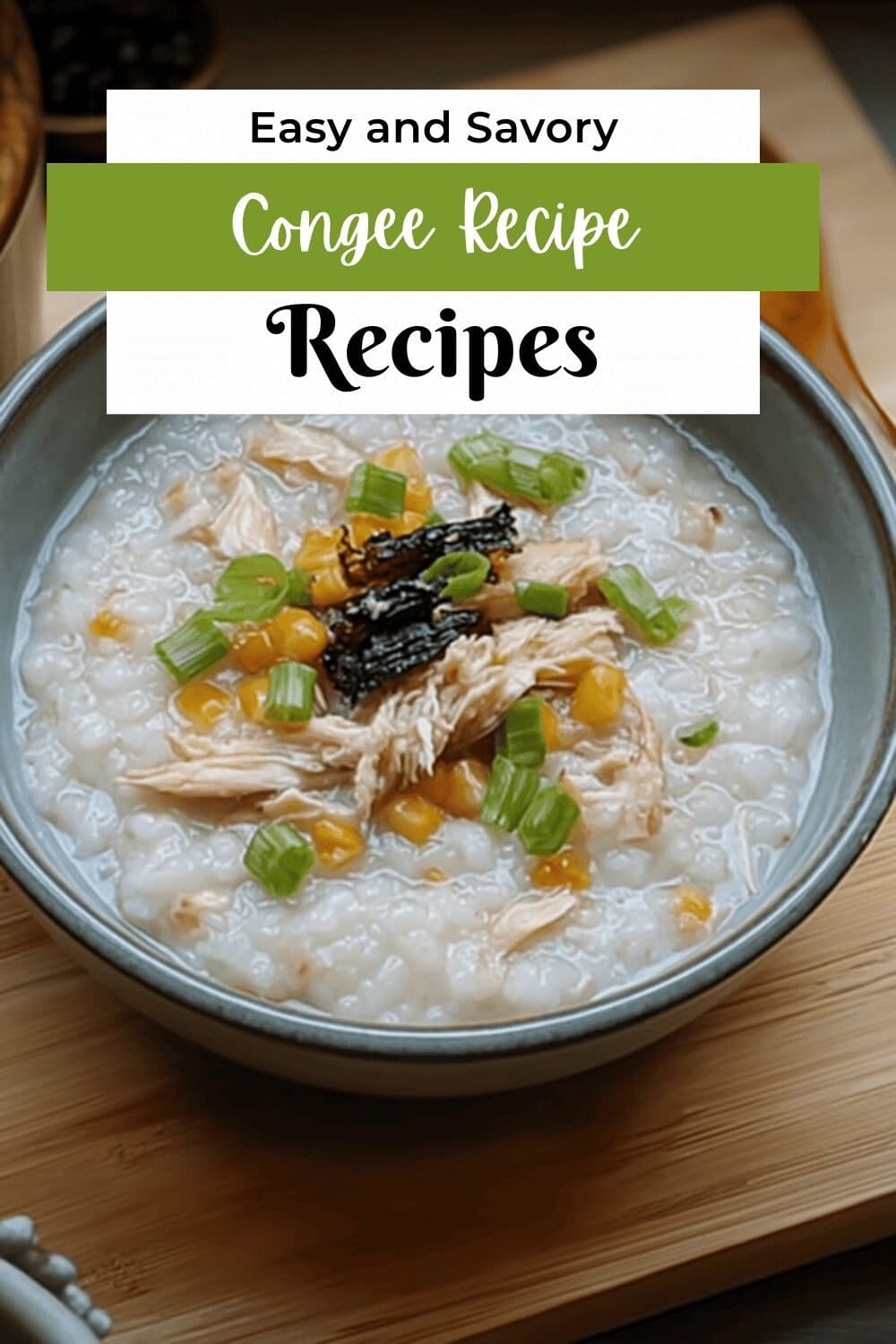
- Serve topped with reserved scallion greens and a drizzle of toasted sesame oil for a fresh finish.
This process takes about 10 minutes to prep and 35 to 40 minutes to cook, making around 6 cups that serves 4 people. I like how this method lets you multitask, perhaps while thinking about your next grilling adventure on simple grilling recipes from our blog.

Dietary Substitutions to Customize Your Congee Recipe
One of the best parts of congee is how flexible it is, letting you swap things up based on what you have on hand or your dietary preferences. If you’re cooking for someone with specific needs, these changes keep the recipe tasty and inclusive. It’s a great way to make sure everyone at the table feels taken care of.
- Substitute chicken with firm tofu or tempeh for a vegan option.
- Use fish or shrimp instead of chicken for a seafood variation.
- Swap jasmine rice with brown rice or millet for added fiber and nutrients.
- Incorporate seasonal vegetables like spinach, bok choy, or mushrooms to enhance flavor and nutrition.
- Replace soy sauce with tamari for gluten-free seasoning.
- Adjust seasoning levels with low-sodium options for a heart-healthy diet.
This adaptability makes congee ideal for busy professionals or diet-conscious folks, ensuring you can enjoy it without straying from your goals. Plus, these tweaks let you experiment while keeping the comforting essence intact.
Mastering Congee Recipe: Advanced Tips and Variations
Once you’re comfortable with the basics, you can take this congee recipe to the next level with some smart techniques and creative ideas. Using a slow cooker on low setting helps achieve an ultra-creamy texture without needing to stir constantly, which is perfect for hands-off cooking. Experimenting with flavors like star anise or cinnamon adds a warm, aromatic note that elevates the dish.
For presentation, try garnishing with finely chopped scallions, coriander, crispy shallots, or a soft boiled egg to make your bowl look as good as it tastes. If you’re into meal prep, prepare the congee base ahead and refrigerate it, then reheat with a bit of broth to keep things fresh for busy days. Remember, congee is versatile, so feel free to add toppings like meat floss or leftovers to suit your taste.
One tip I always share is that thorough washing of the rice removes excess starch, leading to a silkier texture that makes the congee even more enjoyable, just like in traditional family recipes.
This approach not only saves time but also aligns with outdoor cooking enthusiasts who appreciate simple, effective methods, much like mastering your grill for our grilling techniques guide.
How to Store Congee Recipe: Best Practices
Storing congee properly helps keep it tasty for later, so let’s cover the basics to avoid any waste. After cooling, put it in airtight containers and pop it in the fridge for up to 3 days to maintain that fresh flavor. For longer storage, freeze portions in sealable bags or containers, and thaw them overnight before reheating.
When reheating, do it gently on the stove over low heat, adding a splash of water or broth to bring back that creamy consistency. Batch cooking is ideal for meal prep, letting you portion it out and add fresh toppings right before serving. These steps make it easy for travelers or seniors to enjoy a quick, homemade meal on the go.
| Storage Method | Duration | Tips |
|---|---|---|
| Refrigeration | Up to 3 days | Use airtight containers to keep it fresh. |
| Freezing | Up to one month | Thaw overnight and reheat with added liquid. |
| Reheating | N/A | Add water to restore texture and stir well. |
FAQs: Frequently Asked Questions About Congee Recipe
What is congee and how is it different from regular rice porridge?
Congee is a traditional Asian dish made by simmering rice in a large amount of water or broth until it breaks down into a soft, creamy consistency. Unlike regular rice porridge that may be thicker or chunkier, congee typically has a smooth, silky texture and can be customized with various savory or sweet toppings, making it a comforting meal for breakfast or anytime.
What kind of rice should I use to make congee at home?
White rice is most commonly used for congee because it breaks down easily during cooking. Short-grain, medium-grain, or jasmine rice all work well. You can also use leftover cooked rice if you want a quicker version, but fresh rice generally produces the best texture.
How much water do I need to cook congee properly?
A typical water-to-rice ratio for congee is about 8 cups of water for every 1 cup of rice. This high ratio allows the rice to break down fully and create the creamy texture. Adjust the liquid based on how thick or thin you prefer your congee.
What are some popular toppings or additions to serve with congee?
Common toppings for congee include sliced green onions, toasted sesame oil, soy sauce, shredded chicken or pork floss, pickled vegetables, and century eggs. Adding toppings not only enhances flavor but also adds texture and nutrients to the dish.
How can I store and reheat leftover congee safely?
Store leftover congee in an airtight container in the refrigerator for up to five days or freeze it for up to one month. When reheating, add a splash of water or broth to loosen the consistency and warm it gently on the stovetop or microwave until heated through. Stir well to restore creaminess.

Congee Recipe
🍚 Enjoy the comforting and nourishing qualities of classic Chinese rice porridge, perfect for any meal or when feeling under the weather.
🥄 This simple congee recipe offers a creamy texture and versatile flavor, making it easy to customize with your favorite toppings.
- Total Time: 45 minutes
- Yield: About 6 cups (serves 4) 1x
Ingredients
1 cup medium or long-grain white rice
8 cups water
1 (1-inch) piece ginger, peeled and thinly sliced
3 garlic cloves, thinly sliced
2 medium scallions, thinly sliced, whites and greens separated
1 tablespoon soy sauce or tamari
1 1/2 teaspoons kosher salt, plus more as needed
1 teaspoon toasted sesame oil, plus more for drizzling
1/2 teaspoon ground white pepper
Instructions
1-Rinse the white rice under cold water until the water runs mostly clear, then place the rice in a large saucepan with 8 cups of water and bring to a boil over medium-high heat.
2-Add the sliced ginger, garlic, and scallion whites to the boiling pot, then reduce heat to maintain a brisk simmer.
3-Simmer uncovered, stirring occasionally and scraping the bottom of the pan, for 30 to 35 minutes until the congee becomes very creamy and thick.
4-Stir in soy sauce or tamari, kosher salt, toasted sesame oil, and ground white pepper, then adjust seasoning by adding more salt if needed.
5-Serve topped with reserved scallion greens and a drizzle of toasted sesame oil for a fresh finish.
Last Step:
Please leave a rating and comment letting us know how you liked this recipe! This helps our business to thrive and continue providing free, high-quality recipes for you.Notes
🌾 Wash rice thoroughly to remove excess starch for a creamier texture.
🥢 Customize congee with various toppings like meat floss or leftovers for personalized flavor.
❄️ Store leftovers in an airtight container; refrigerate up to five days or freeze up to one month, reheating with added water as needed.
- Prep Time: 10 minutes
- Cook Time: 35 minutes
- Category: Breakfast
- Method: Simmering
- Cuisine: Chinese
- Diet: Vegetarian, Vegan, Gluten-Free, Dairy-Free
Nutrition
- Serving Size: 1.5 cups
- Calories: 206
- Sugar: 0.5g
- Sodium: 949mg
- Fat: 1.6g
- Saturated Fat: 0.3g
- Carbohydrates: 43g
- Fiber: 0.7g
- Protein: 4.1g
- Cholesterol: 0mg


