

Why You’ll Love This Cauliflower Rice
If you’re looking for a simple, healthy swap for regular rice, cauliflower rice is about to become your new best friend in the kitchen. This veggie-based alternative comes together in just 10 minutes from start to finish, making it perfect for busy weeknights when you want something nutritious without spending hours at the stove. Whether you’re following a low-carb lifestyle or just want to add more vegetables to your meals, this recipe delivers big time.
What makes this recipe stand out is how approachable and forgiving it is. You don’t need fancy equipment or hard-to-find ingredients just a fresh head of cauliflower and basic pantry staples. The result is light, fluffy, and ready to soak up whatever flavors you throw its way, from zesty lime and scallions to bold stir-fry seasonings.
Key Benefits at a Glance
- Ease of preparation: With only 7 minutes of prep time and 3 minutes of cooking, you can have a healthy side dish on the table faster than ordering takeout. No complicated techniques or special skills required just chop, pulse, and sauté.
- Health benefits: A single cup of cauliflower rice contains only about 25 calories and 5 grams of carbs, compared to 200 calories and 45 grams in white rice. It’s naturally gluten-free, low-glycemic, and packed with vitamins C and K to support your wellness goals.
- Versatility: This recipe adapts to countless dishes and dietary needs. Serve it under stir-fries, in burrito bowls, alongside grilled proteins, or as a base for your favorite curries. It works for keto, paleo, vegan, and gluten-free diets without missing a beat.
- Distinctive flavor: When lightly sautéed with olive oil, scallions, and a squeeze of fresh lime, cauliflower rice develops a mild, slightly sweet flavor with none of the bitterness some people expect. The seasonings bring out the best in this humble vegetable.
Jump To
- 1. Why You’ll Love This Cauliflower Rice
- 2. Essential Ingredients for Cauliflower Rice
- 3. How to Prepare the Perfect Cauliflower Rice: Step-by-Step Guide
- 4. Dietary Substitutions to Customize Your Cauliflower Rice
- 5. Mastering Cauliflower Rice: Advanced Tips and Variations
- 6. How to Store Cauliflower Rice: Best Practices
- 7. FAQs: Frequently Asked Questions About Cauliflower Rice
- 8. Cauliflower Rice
Essential Ingredients for Cauliflower Rice
One of the best things about this recipe is its simplicity. With just a handful of fresh ingredients, you can create a delicious low-carb side that pairs beautifully with almost any main dish. For more inspiration on sides that complement grilled mains, check out this guide to grilled vegetables with a zesty marinade.
Main Ingredients
- 1 medium cauliflower – This is your star ingredient! One medium head yields about 4 cups of riced cauliflower, enough for four generous servings. Choose a head that feels heavy for its size with tight, creamy-white florets and fresh-looking leaves.
- 1 teaspoon olive oil – Used for sautéing, this healthy fat helps soften the cauliflower and carry flavor throughout the dish. You can substitute with avocado oil, coconut oil, or butter depending on your preference.
- ½ cup chopped scallions – These add a mild onion flavor and fresh crunch. Both the white and green parts work beautifully here, adding color and a subtle bite that complements the mild cauliflower.
- Juice of ½ lime – A splash of citrus brightens the entire dish and helps balance any slight bitterness from the cauliflower. Fresh lime juice makes a noticeable difference compared to bottled versions.
- Sea salt – Essential for bringing out the natural flavors of the cauliflower. Start with a pinch and adjust to taste proper seasoning transforms this simple dish.
- Freshly ground black pepper – Adds a subtle warmth and depth. Freshly cracked pepper has more aromatic compounds and better flavor than pre-ground varieties.
Special Dietary Options
- Vegan: This recipe is naturally vegan as written no modifications needed!
- Gluten-free: All ingredients are naturally gluten-free, making this safe for those with celiac disease or gluten sensitivity.
- Low-calorie: Already a light option at about 25 calories per cup. To reduce calories further, use cooking spray instead of oil for sautéing.
How to Prepare the Perfect Cauliflower Rice: Step-by-Step Guide
Making cauliflower rice from scratch is incredibly straightforward, and once you master this basic technique, you’ll find yourself reaching for it again and again. The process involves just a few simple steps, and the results are far superior to pre-packaged versions from the store. For a complete meal idea, serve this alongside perfectly grilled chicken for a healthy dinner the whole family will enjoy.
First Step: Prep and Dry the Cauliflower
Start by ensuring your cauliflower is completely dry this is crucial for achieving the right texture. Moisture is the enemy of fluffy cauliflower rice, so if you’ve washed the head, pat it thoroughly with clean kitchen towels or paper towels before proceeding. Remove the outer leaves and set them aside for another use (they’re great sautéed on their own or added to soups!).
Cut the cauliflower into large, manageable pieces, including the core. Many people discard the core, but it actually processes beautifully and adds bulk to your rice. There’s no need to waste it! Work around any brown spots and remove them with your knife. At this point, your cauliflower should be ready for the food processor.
Second Step: Process into Rice-Sized Granules
Working in batches, add the cauliflower pieces to your food processor and pulse until the pieces are about the size of rice grains. This typically takes 10-15 pulses per batch. The key here is patience don’t just hold down the button and walk away. Pulse, check, pulse again. You want uniform, rice-sized pieces, not cauliflower mush.
Important tip: Avoid over-processing at all costs. Once cauliflower becomes mushy, there’s no going back. It’s better to have a few larger pieces that you can chop with your knife than a wet paste that won’t cook properly.
Don’t have a food processor? No problem! You can use a box grater to grate the cauliflower by hand, or even chop it finely with a sharp knife. These methods take a bit more time but produce excellent results. The grater method tends to produce smaller, more uniform pieces similar to couscous, while knife-chopping gives you a chunkier texture.
Third Step: Sauté the Aromatics
For the seasoned version, warm 1 teaspoon of olive oil in a large skillet over medium heat. A non-stick or well-seasoned cast iron pan works beautifully here. Once the oil shimmers, add ½ cup of chopped scallions. Sauté them for about 30 seconds to 1 minute, just until they become fragrant and slightly softened.
The scallions infuse the oil with their mild onion flavor, which then coats every grain of cauliflower rice as it cooks. This step builds a foundation of flavor that makes a big difference in the final dish. Don’t let them brown or burn keep the heat at medium and stir frequently.
Fourth Step: Cook the Cauliflower Rice
Add your processed cauliflower rice to the skillet with the scallions. Stir everything together so the cauliflower gets coated with the seasoned oil. Spread it out into an even layer and let it cook undisturbed for about 2 minutes this allows some light browning to develop, which adds wonderful depth of flavor.
Then stir and continue cooking for another 1-3 minutes until the cauliflower is tender but still has a slight bite. The total cooking time should be 3-5 minutes. You want it heated through and softened, not mushy or watery. Taste a few grains to check the texture.
Final Step: Season and Serve
Remove the skillet from heat and season generously with sea salt and freshly ground black pepper. Start with about ½ teaspoon of salt, taste, and adjust as needed. Squeeze in the juice of half a lime and toss everything together. The lime does something magical it brightens all the flavors and cuts through any remaining slight bitterness from the cauliflower.
Transfer to a serving bowl and enjoy immediately. Your cauliflower rice is now ready to serve as a side dish, a base for stir-fries, or a filling for wraps and burritos. For a complete low-carb dinner, try it with garlic grilled shrimp or your favorite grilled protein.
| Preparation Step | Time Required | Key Tips |
|---|---|---|
| Drying and chopping cauliflower | 3 minutes | Pat completely dry before processing |
| Processing into rice | 4 minutes | Pulse in batches, don’t over-process |
| Sautéing aromatics | 1 minute | Don’t let scallions brown |
| Cooking cauliflower rice | 3-5 minutes | Cook until tender, not mushy |
| Seasoning and serving | 1 minute | Adjust salt and lime to taste |

Dietary Substitutions to Customize Your Cauliflower Rice
One of the best things about cauliflower rice is how easily it adapts to different dietary needs and preferences. Whether you’re cooking for someone with specific restrictions or simply want to change things up, this recipe is incredibly flexible. According to Healthline, cauliflower is one of the most versatile low-carb vegetables available, making it perfect for customization.
Protein and Main Component Alternatives
While this recipe focuses on cauliflower rice as a side dish, you can easily transform it into a complete meal by adding protein. Diced chicken breast, shrimp, or tofu all cook quickly and pair beautifully with the mild flavor of cauliflower. For a vegetarian protein boost, try adding chickpeas or edamame they bring both protein and a satisfying texture.
If you’re following a specific diet, here are some protein modifications to consider:
- Keto: Add diced bacon, ground pork, or shredded cheese for extra fat and protein
- Whole30: Top with grilled steak strips or a fried egg for a compliant meal
- Mediterranean: Mix in diced cucumber, kalamata olives, and crumbled feta
- Asian-inspired: Add diced cooked chicken and a drizzle of tamari for a quick fried rice
Vegetable, Sauce, and Seasoning Modifications
The flavor possibilities for cauliflower rice are nearly endless. The basic recipe uses scallions and lime, but you can switch up the seasonings to match any cuisine. For an Italian twist, try garlic, lemon zest, and fresh parsley. Mexican-inspired? Add cumin, cilantro, and a squeeze of orange. Asian flavors? Ginger, sesame oil, and soy sauce create a delicious base for stir-fries.
Vegetable add-ins also work wonderfully. Diced bell peppers, shredded carrots, or frozen peas can be sautéed right along with the cauliflower for extra color and nutrition. Just keep in mind that watery vegetables like zucchini should be pre-cooked to remove excess moisture before adding to your rice.
For sauce lovers, cauliflower rice absorbs flavors beautifully. Try finishing it with:
- Coconut aminos for a soy-free umami kick
- Chimichurri for a bright, herby finish
- Thai peanut sauce for a rich, satisfying drizzle
- Pesto for an Italian-style side dish
Mastering Cauliflower Rice: Advanced Tips and Variations
Once you’ve mastered the basic technique, you can take your cauliflower rice game to the next level with a few pro tips and creative variations. These advanced methods will help you achieve restaurant-quality results at home while saving time on busy days.
Pro Cooking Techniques
The secret to restaurant-quality cauliflower rice lies in moisture control. After processing, some cooks like to place the riced cauliflower in a clean kitchen towel and squeeze out excess liquid before cooking. This step is optional for basic recipes but makes a big difference when you’re aiming for that perfect, fluffy texture.
Another technique to try is dry-toasting the raw cauliflower rice in the pan for 1-2 minutes before adding any oil or seasonings. This drives off extra moisture and creates a nuttier, more complex flavor profile. Then add your oil and proceed with the recipe as written.
Flavor Variations
Transform your cauliflower rice into something special with these delicious variations:
- Garlic parmesan: Sauté minced garlic with the scallions, then finish with grated parmesan and fresh parsley
- Curry-spiced: Add ½ teaspoon curry powder and a pinch of turmeric while sautéing for golden color and warm flavor
- “Fried rice” style: Push cooked cauliflower to the side, scramble an egg in the pan, then mix everything together with a splash of soy sauce
- Herb and lemon: Finish with fresh chopped herbs (dill, basil, or cilantro) and plenty of lemon zest
Presentation Tips
They say we eat with our eyes first, and cauliflower rice offers plenty of opportunities for beautiful plating. Try serving it in a shallow bowl topped with colorful vegetables and a protein for a grain bowl effect. A sprinkle of fresh herbs, a wedge of lime, or a drizzle of sauce right before serving adds visual appeal and fresh flavor.
For entertaining, consider molding the rice in a small bowl before inverting it onto plates for a restaurant-style presentation. A ring mold also works beautifully for creating neat, round portions.
Make-Ahead Options
Cauliflower rice is a meal-prep superstar. Process a large batch at the beginning of the week and store the raw rice in an airtight container in the refrigerator for up to 4-5 days. Cook only what you need for each meal, keeping the rest fresh for later. This approach saves precious time on busy weeknights.
You can also freeze raw or cooked cauliflower rice for up to 3 months. Portion it into 2-cup servings in freezer bags, pressing out as much air as possible before sealing. Thaw overnight in the refrigerator or cook directly from frozen in soups and stir-fries. Note that frozen cauliflower rice works best in cooked dishes rather than raw applications, as the texture softens slightly after freezing.
How to Store Cauliflower Rice: Best Practices
Proper storage ensures your cauliflower rice stays fresh and delicious whether you’re meal prepping for the week or saving leftovers from tonight’s dinner. Here’s everything you need to know about storing this versatile veggie dish.
Refrigeration Guidelines
Fresh homemade cauliflower rice lasts 4-5 days in the refrigerator when stored properly in an airtight container. For the best quality, store raw, uncooked cauliflower rice rather than cooked this gives you more flexibility with seasonings and cooking methods when you’re ready to eat.
If you’ve already cooked your cauliflower rice, store leftovers in a sealed container for up to 3 days. The texture will be softer than freshly made, but it’s still delicious reheated or added to other dishes.
Freezing for Long-Term Storage
Freezing is an excellent option for extending the life of your cauliflower rice. You can freeze it raw or cooked, though raw cauliflower rice tends to hold its texture better. Portion into 2-cup servings in freezer-safe bags, remove as much air as possible, and label with the date.
Pro tip: Flash-freeze raw cauliflower rice on a baking sheet for 30 minutes before transferring to bags. This prevents clumping and makes it easier to portion out just what you need later.
Reheating Methods
The best reheating method depends on how you plan to use the rice. For a simple side dish, sauté in a skillet with a small amount of oil over medium heat for 2-3 minutes until warmed through. You can also microwave it covered for 1-2 minutes, stirring halfway through.
For soups, stews, and casseroles, add frozen cauliflower rice directly to the dish during cooking no need to thaw first. This convenience makes it perfect for quick weeknight meals. Learn more about perfecting your cauliflower rice technique at Love and Lemons.
FAQs: Frequently Asked Questions About Cauliflower Rice
What is cauliflower rice?
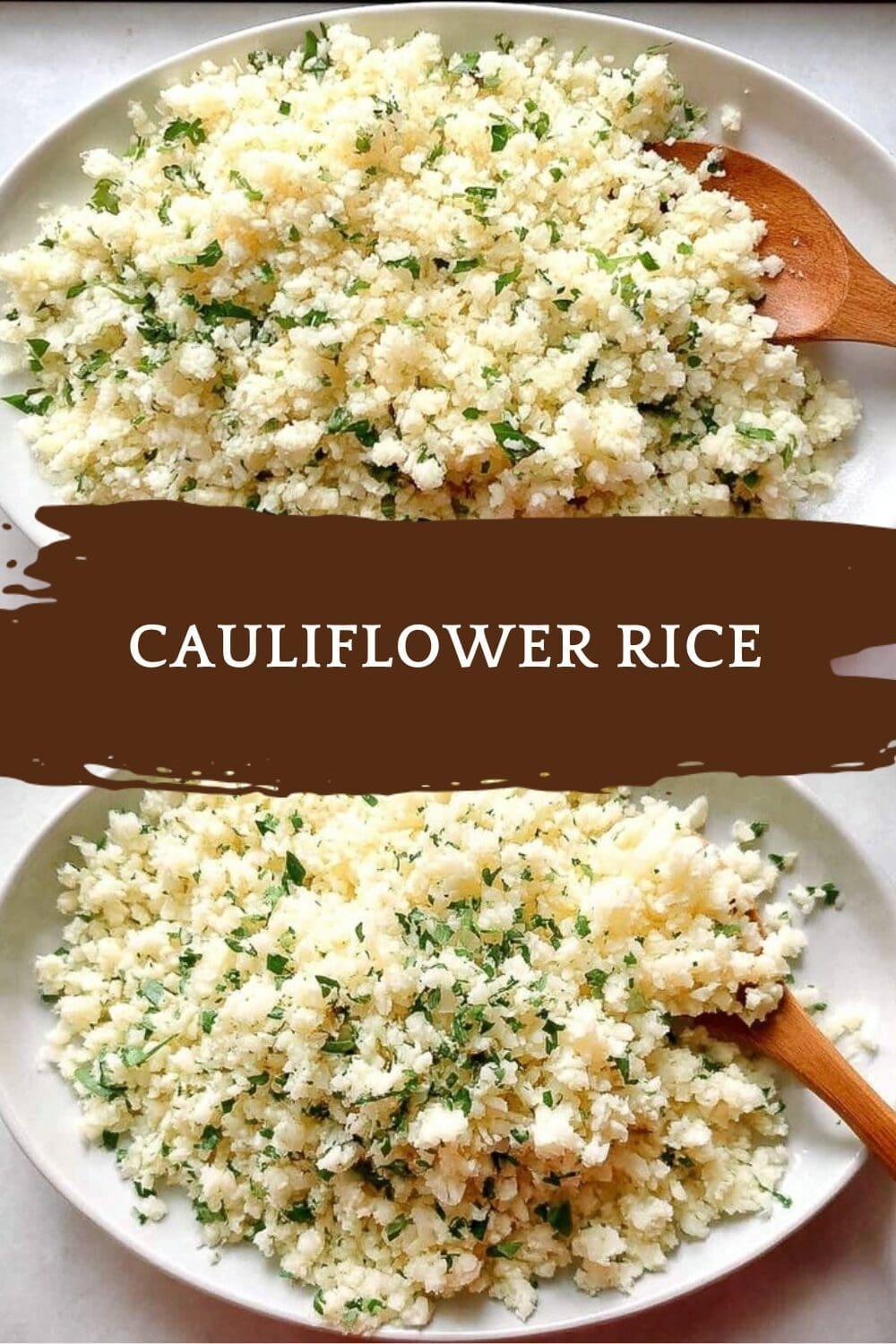
Cauliflower rice is a low-carb alternative to regular rice made by pulsing fresh cauliflower florets in a food processor until they break down into small, rice-like granules. It mimics the texture of cooked rice but has far fewer calories and carbs—about 25 calories and 5 grams of carbs per cup compared to 200 calories and 45 grams of carbs in white rice. This makes it popular for keto, paleo, and weight-loss diets. No actual rice is involved; it’s 100% cauliflower, including the core for added fiber. Use it in stir-fries, burrito bowls, or as a side dish. One medium head (about 2 pounds) yields roughly 4 cups of riced cauliflower, enough for four servings.
How do you make cauliflower rice at home?
Start with a fresh head of cauliflower. Remove leaves and cut into florets, including the core. Working in batches, pulse in a food processor 10-15 times until it resembles rice grains—avoid over-processing to prevent mushiness. No food processor? Use a box grater or knife to chop finely. This takes about 7 minutes for prep. Yields about 4 cups from a medium head. Squeeze out excess moisture with a towel for better texture. It’s cheaper and fresher than store-bought (often $4+ per bag). Pro tip: Make a big batch weekly for meal prep. Total hands-on time: under 10 minutes.
Is cauliflower rice healthier than regular rice?
Yes, cauliflower rice is much healthier than regular rice for most people. A 1-cup serving has only 25 calories, 5g carbs, 2g fiber, and vitamins C and K, versus 200 calories, 45g carbs, and minimal nutrients in white rice. It’s gluten-free, low-glycemic, and supports weight loss, blood sugar control, and digestion. Brown rice is better than white but still higher in carbs (45g per cup). Drawbacks: less filling alone, so pair with proteins and fats. Studies show low-carb swaps like this aid sustained weight loss. Season well to match rice’s appeal—try it in fried “rice” with eggs and veggies for a nutrient-packed meal.
How do you cook and season cauliflower rice?
Lightly cook cauliflower rice to soften it and mellow its raw taste—sautéing works best. Heat 1 tbsp oil in a skillet over medium-high, add 2-3 cups riced cauliflower, and stir 3-5 minutes until tender. Season with salt, pepper, garlic, scallions, soy sauce, or lime for flavor. For fried rice: add eggs, peas, carrots, and protein. Microwave option: 2-3 minutes covered. Steam or boil briefly too. Always cook before eating raw in salads to avoid bitterness. Total cook time: 3 minutes. This keeps it crisp yet flavorful, perfect for tacos, bowls, or curries. Experiment with herbs like cilantro for variety.
Can you freeze cauliflower rice, and how long does it last?
Yes, freeze cauliflower rice raw or cooked in airtight bags for up to 3 months—portion into 2-cup servings for convenience. Thaw overnight in fridge or microwave briefly; best in cooked dishes like soups, stir-fries, or casseroles, as texture softens post-freeze (avoid raw salads). Fresh homemade lasts 4-5 days in the fridge in a sealed container. Store-bought follows package dates, usually 5-7 days opened. Label with dates to track. Freezing saves time for busy weeks—one batch covers multiple meals. Tip: Flash-freeze on a tray first to prevent clumping. Reheats in 2 minutes on stovetop with seasonings.
Cauliflower Rice
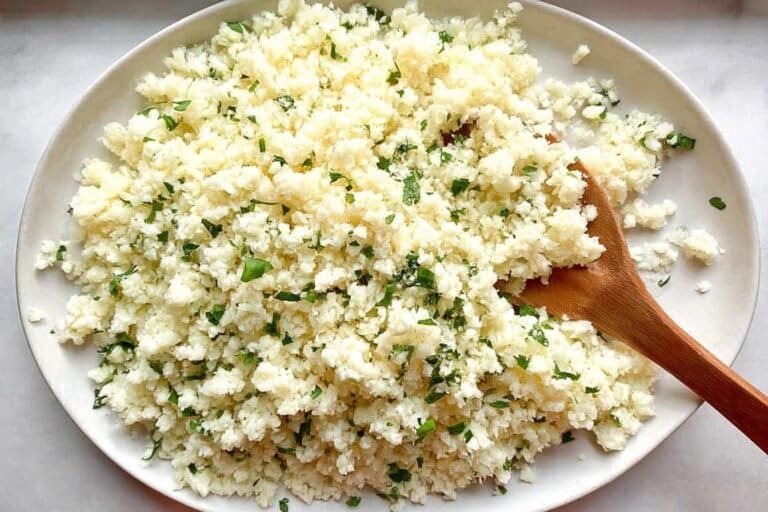
🥦 Transform everyday cauliflower into a low-carb, nutrient-packed rice alternative that’s versatile for bowls, stir-fries, and more.
🍚 Quick and simple to make at home for fresher flavor, better texture, and endless customization options you’ll love trying.
- Total Time: 10 minutes
- Yield: 4 servings
Ingredients
– 1 medium cauliflower
– 1 teaspoon olive oil for sautéing
– ½ cup chopped scallions
– Juice of ½ lime
– Sea salt
– Freshly ground black pepper
Instructions
1-First Step: Prep and Dry the Cauliflower Start by ensuring your cauliflower is completely dry this is crucial for achieving the right texture. Moisture is the enemy of fluffy cauliflower rice, so if you’ve washed the head, pat it thoroughly with clean kitchen towels or paper towels before proceeding. Remove the outer leaves and set them aside for another use (they’re great sautéed on their own or added to soups!). Cut the cauliflower into large, manageable pieces, including the core. Many people discard the core, but it actually processes beautifully and adds bulk to your rice. There’s no need to waste it! Work around any brown spots and remove them with your knife. At this point, your cauliflower should be ready for the food processor.
2-Second Step: Process into Rice-Sized Granules Working in batches, add the cauliflower pieces to your food processor and pulse until the pieces are about the size of rice grains. This typically takes 10-15 pulses per batch. The key here is patience don’t just hold down the button and walk away. Pulse, check, pulse again. You want uniform, rice-sized pieces, not cauliflower mush. Don’t have a food processor? No problem! You can use a box grater to grate the cauliflower by hand, or even chop it finely with a sharp knife. These methods take a bit more time but produce excellent results. The grater method tends to produce smaller, more uniform pieces similar to couscous, while knife-chopping gives you a chunkier texture.
3-Third Step: Sauté the Aromatics For the seasoned version, warm 1 teaspoon of olive oil in a large skillet over medium heat. A non-stick or well-seasoned cast iron pan works beautifully here. Once the oil shimmers, add ½ cup of chopped scallions. Sauté them for about 30 seconds to 1 minute, just until they become fragrant and slightly softened. The scallions infuse the oil with their mild onion flavor, which then coats every grain of cauliflower rice as it cooks. This step builds a foundation of flavor that makes a big difference in the final dish. Don’t let them brown or burn keep the heat at medium and stir frequently.
4-Fourth Step: Cook the Cauliflower Rice Add your processed cauliflower rice to the skillet with the scallions. Stir everything together so the cauliflower gets coated with the seasoned oil. Spread it out into an even layer and let it cook undisturbed for about 2 minutes this allows some light browning to develop, which adds wonderful depth of flavor. Then stir and continue cooking for another 1-3 minutes until the cauliflower is tender but still has a slight bite. The total cooking time should be 3-5 minutes. You want it heated through and softened, not mushy or watery. Taste a few grains to check the texture.
5-Final Step: Season and Serve Remove the skillet from heat and season generously with sea salt and freshly ground black pepper. Start with about ½ teaspoon of salt, taste, and adjust as needed. Squeeze in the juice of half a lime and toss everything together. The lime does something magical it brightens all the flavors and cuts through any remaining slight bitterness from the cauliflower. Transfer to a serving bowl and enjoy immediately. Your cauliflower rice is now ready to serve as a side dish, a base for stir-fries, or a filling for wraps and burritos. For a complete low-carb dinner, try it with garlic grilled shrimp or your favorite grilled protein.
Last Step:
Please leave a rating and comment letting us know how you liked this recipe! This helps our business to thrive and continue providing free, high-quality recipes for you.Notes
🥦 Freshly made cauliflower rice has superior flavor and texture compared to store-bought.
🌀 Avoid over-processing to prevent mushiness—pulse in short bursts.
❄️ Freezes well; portion into bags and reheat in soups or stir-fries for quick meals.
- Prep Time: 7 minutes
- Cook Time: 3 minutes
- Category: Side Dish
- Method: Stovetop
- Cuisine: American
- Diet: Vegan
Nutrition
- Serving Size: 1 cup
- Calories: 50 kcal
- Sugar: 2g
- Sodium: 150mg
- Fat: 2g
- Saturated Fat: 0g
- Unsaturated Fat: 1.5g
- Trans Fat: 0g
- Carbohydrates: 7g
- Fiber: 3g
- Protein: 3g
- Cholesterol: 0mg


